
MoCRA Ingredient Transparency is best understood as a regulatory shift, not a promise that every shopper will see every formula detail on a public label. The Modernization of Cosmetics Regulation Act of 2022 was signed into law on December 29, 2022, as part of the Consolidated Appropriations Act, 2023, and it gave FDA new tools for cosmetic oversight, including facility registration and cosmetic product listing requirements that include product ingredients FDA MoCRA information.
For consumers, the practical question is narrower: what changed on paper, what changed for regulators, and what still remains hard to see from a bathroom shelf. MoCRA moved cosmetics closer to structured federal reporting, but it did not erase familiar label gaps such as broad fragrance terms, undisclosed ingredient concentrations, or uncertainty about how quickly pending rules will become visible to shoppers.
What MoCRA Ingredient Transparency Changed
MoCRA Ingredient Transparency And Product Listings
Before MoCRA, cosmetic facility registration and product listing operated through a voluntary program. The research provided for this article notes that FDA previously had about 5,176 facility registrations and 35,102 cosmetic product listings under that voluntary system. After MoCRA implementation, FDA reported more than 15,000 active facility registrations and more than 1 million product listings. That is a meaningful change in the amount of product information reaching the agency, even if consumers do not see a complete public database in the same way they see a retail ingredient label.
The central transparency change is that cosmetic manufacturing and processing facilities must register with FDA, and product listings must include the ingredients in each listed cosmetic product. The legal deadline for submitting cosmetic product listings and facility registrations was December 29, 2023. FDA delayed enforcement until July 1, 2024, allowing a six-month grace period. As of July 1, 2024, failure to meet those registration or listing requirements became enforceable by FDA.
Why Registration Is Different From A Label Claim
Registration and listing requirements are not the same as a front-label marketing claim. A brand can still use terms such as “natural,” “clean,” or “plant-based” in ways that require careful reading. Product listings help FDA receive structured ingredient information, but a shopper comparing two moisturizers in a store still needs to read the ingredient declaration, look for contact details, and treat broad lifestyle claims with caution.
This distinction matters for ethical beauty shoppers because regulatory reporting and consumer-facing clarity are related but not identical. For a deeper consumer lens on brand claims, our related article on ingredient transparency in ethical beauty discusses why label language, safety data gaps, and accountability can differ from product to product.
What Labels Still Do And Do Not Reveal
Ingredient Order Has Limits
Cosmetic labels already had ingredient declaration rules before MoCRA. Ingredients must generally appear in descending order of predominance, while color additives and ingredients present at 1% or less may be ordered less strictly. Fragrance or flavor ingredients can be listed simply as “fragrance” or “flavor,” unless another disclosure rule applies or a trade secret issue is handled through the relevant process.
That means a label can be legally useful and still incomplete from a consumer-education standpoint. It can tell you that an ingredient is present, but it may not tell you the exact amount. MoCRA does not require cosmetic product listings to disclose ingredient concentrations; the research notes that the identity of intentionally added ingredients is required, not their percentages.
Responsible Person Contact Details Matter
MoCRA also requires each product label to include contact information for a “responsible person,” which may be the manufacturer, packer, or distributor. The label must provide a domestic address, phone number, or electronic contact through which adverse event reports can be received. For consumers, this is a practical improvement because it gives a clearer route for reporting a suspected product problem.
This contact information should not be treated as a substitute for medical advice. If a cosmetic seems associated with irritation, eye discomfort, breathing symptoms, or a severe reaction, a clinician or emergency service is the right resource for personal health decisions. A brand contact can collect product information, but it cannot diagnose a reaction or tell you whether a symptom is safe to ignore.
Limits Of MoCRA Ingredient Transparency
Fragrance Allergen Disclosure Remained Pending
One of the most watched MoCRA issues is fragrance allergen labeling. MoCRA added a requirement to identify specific fragrance allergens on cosmetic product labels, but the details depend on FDA rulemaking. Under section 609(b), FDA was directed to issue a notice of proposed rulemaking by June 29, 2024, and finalize the rule within 180 days after the close of the public comment period. As of September 1, 2026, the fragrance allergen requirement remained pending in the supplied regulatory record fragrance allergen rule entry.
This pending status leaves a real consumer gap. People who know they react to certain fragrance materials may still find labels that use the general term “fragrance.” That does not automatically mean a product is unsafe for everyone, but it does mean fragrance-sensitive shoppers may need to ask brands more specific questions or choose fragrance-free products when that preference matches their personal tolerance.
Small Business Exemptions Narrow The Picture
MoCRA includes small business exemptions for facility registration, product listing, and good manufacturing practice requirements under certain criteria, including average annual U.S. cosmetic sales of less than $1,000,000 over the prior three years. The exemption is not available for certain higher-contact or longer-lasting product categories described in the research, including products that contact mucous membranes, are injected, are intended for internal use, or alter appearance for more than 24 hours under customary or usual use.
For consumers, this means brand size can affect which MoCRA obligations apply. A small independent brand may still have duties under other cosmetic laws and label rules, but some MoCRA requirements may not apply in the same way. This is one reason ingredient transparency should be judged by several signals: the label, the brand’s willingness to answer questions, the presence of responsible person contact information, and the type of product being used.
How MoCRA Changes FDA Oversight
Records, Recalls, And Manufacturing Rules
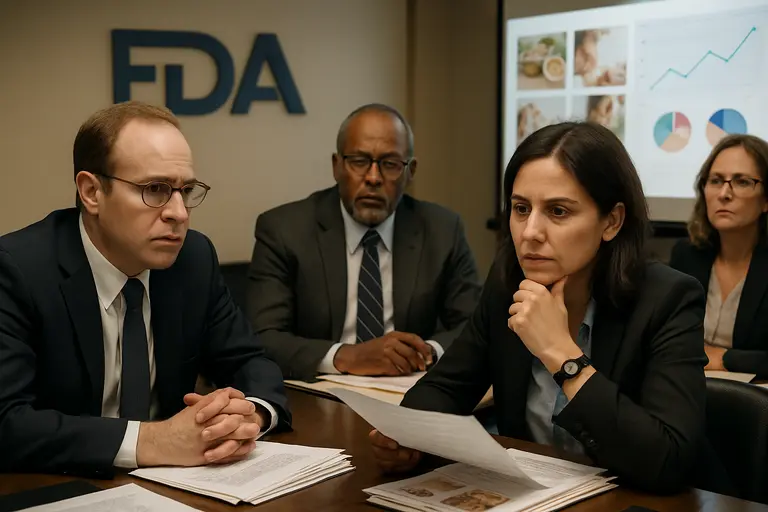
MoCRA did more than create registration and listing requirements. It added FDA authority to access certain cosmetic safety records, including adverse event reports, during inspections. It also gave FDA authority to enforce mandatory recalls for adulterated or misbranded cosmetics that pose serious adverse health risks. The law also directed FDA to establish rules for good manufacturing practices for cosmetics.
Those changes are meaningful for public oversight, but they should be read carefully. They do not mean every product has been individually approved by FDA before sale. Cosmetics are not reviewed in the same way as drugs. MoCRA strengthens regulatory tools, but it does not turn a moisturizer, shampoo, mascara, or body oil into a product with FDA premarket approval.
PFAS Reporting Added A Separate Transparency Thread
MoCRA also directed FDA to produce a report on PFAS, or per- and polyfluoroalkyl substances, used in cosmetic products. According to the research provided, FDA published that report on December 29, 2025, evaluating the use and safety risks of the 25 most common PFAS in U.S. cosmetics. PFAS disclosure remains a separate issue from ordinary ingredient-list reading because shoppers may not always recognize this chemical class from a familiar consumer-facing term.
Consumers who want to compare PFAS-related claims should avoid assuming that one marketing phrase answers every question. A product may say it avoids certain ingredients, yet the usefulness of that statement depends on how the brand defines its claim, whether it covers intentional addition, and whether supplier information is clear. For readers comparing education resources across related wellness topics, Petra Class is part of the same publishing network and may offer connected background reading.
Practical Ways To Read Cosmetic Labels
Use A Three-Part Label Check
MoCRA Ingredient Transparency helps explain why cosmetic labels should be read with both interest and restraint. A label can be informative without being complete. A product listing can help FDA without giving shoppers every detail they might want. A fragrance term can be legal while still being too broad for someone with known sensitivities.
- Check the ingredient declaration: Look for the full list, note fragrance or flavor terms, and remember that exact concentrations are not required in MoCRA product listings.
- Find the responsible person contact: Save the domestic address, phone number, or electronic contact if you need to report a suspected adverse event.
- Match the product type to your needs: Eye-area products, long-wear products, and products used on sensitive areas may deserve closer review, especially for people with prior reactions.
This approach does not require fear-based shopping. It simply treats the label as a starting point. If a product’s marketing is stronger than its ingredient clarity, consumers can ask the brand direct questions or select a product with clearer disclosure.
MoCRA Ingredient Transparency Questions For Clinicians
MoCRA Ingredient Transparency gives consumers and regulators more structure, but personal product choices still depend on individual skin history, allergies, medications, pregnancy status, occupational exposures, and prior reactions. A clinician can help interpret symptoms and decide whether patch testing, avoidance of certain ingredient categories, or another evaluation is appropriate.
Useful questions to discuss with a clinician include: Which ingredients should I avoid based on my known allergies? Should I choose fragrance-free products rather than products labeled with generic “fragrance”? What information should I save if I report a suspected adverse event? Are eye-area cosmetics, long-wear products, or products used near mucous membranes a concern for my situation?
MoCRA has changed federal cosmetic reporting and strengthened FDA oversight, but it does not replace individualized medical guidance. For personal health decisions, especially after irritation, swelling, breathing symptoms, eye symptoms, or repeated reactions, consult a qualified clinician and bring the product label or ingredient list to the visit.