DIY Natural Beauty can be a thoughtful way to understand ingredients, reduce packaging waste, and avoid vague marketing language, but home formulation still sits inside a real regulatory context. The FDA’s Modernization of Cosmetics Regulation Act of 2022, known as MoCRA, expanded several requirements for cosmetic companies, including safety substantiation and adverse event reporting, as described by the FDA MoCRA page. For home users, the practical lesson is not that every kitchen recipe needs a laboratory setup. It is that water, dirty tools, unclear labels, and treatment-style claims can make a simple product riskier than it looks.
As an ethical beauty advocate, I see this as a transparency issue as much as a formulation issue. A small jar of balm or a dry mask mix should not promise medical effects, hide ingredients behind soft language, or blur the line between a cosmetic and a treatment. The same caution applies to cruelty-free shopping: a kind claim is more meaningful when the ingredient list, supplier choices, and intended use are stated plainly.
DIY Natural Beauty And The FDA Shift
Why Cosmetic Rules Matter At Home
Cosmetics are generally products intended to cleanse, beautify, promote attractiveness, or alter appearance. The research notes show that most cosmetics do not need FDA pre-market approval before sale, except color additives, which require approval for their intended uses. That does not mean cosmetics can be made or described casually. A product can still be considered adulterated or misbranded if it is contaminated, poorly labeled, or marketed with claims that go beyond cosmetic use.
For a person making a one-time product for personal use, the most useful takeaway is discipline: write down what you used, avoid high-risk use areas, keep utensils clean, and do not pretend a recipe has been clinically tested. For anyone selling at markets or online, the obligations can be much more serious. By October 6, 2026, the key MoCRA dates in the research were already in effect, including registration and listing deadlines for many facilities operating after December 29, 2022.
How Natural And Organic Wording Can Mislead
The research notes state that the FDA has not established a legal definition for “natural” in cosmetics, and that “organic” labeling is governed separately by USDA rules for agricultural products rather than by FDA cosmetic rules. That leaves shoppers and makers with a wording problem. A natural-sounding formula can still be irritating for some people, contaminated during storage, or unsupported by evidence if it claims to change a health condition.
For clearer label thinking, it helps to compare homemade wording with broader concerns about natural beauty labels. Ingredient transparency is not about making a product sound purer than another product. It is about giving someone enough information to decide whether the formula fits their preferences, allergies, sensitivities, and ethical standards.
What MoCRA Changed For Home Makers
Records, Reports, And Safety Substantiation
MoCRA requires serious adverse event reports to be submitted to the FDA within 15 business days after a responsible person receives the report. If new medical information is received within one year, it also has to be submitted within 15 business days. A home hobbyist making a single-use mask for personal use is not in the same position as a brand, but the principle is still relevant: if a product causes a serious reaction, casual recordkeeping makes it harder to understand what happened.
For DIY Natural Beauty projects, keep a simple batch note with the date, full ingredient names, approximate amounts, packaging, storage plan, and intended use. This does not prove safety, but it reduces guesswork. If you later notice odor changes, visible growth, texture shifts, or irritation after use, your notes make it easier to identify what needs to be discarded or discussed with a clinician.
Small Business Exemptions Have Limits
Some small cosmetic businesses may qualify for exemptions from facility registration, product listing, and good manufacturing practice requirements if they meet the sales threshold and do not make certain higher-risk products. The research notes identify the threshold as average annual U.S. cosmetic product sales of less than $1,000,000 over the prior three years, with exclusions for higher-risk product types; a plain-language legal summary is available from LegalClarity on MoCRA exemptions.
Exemption does not mean “no responsibility.” The research states that safety substantiation and serious adverse event reporting are not waived under MoCRA. It also identifies higher-risk categories such as products that contact the eyes or mucous membranes, products intended for internal use, injected products, and products meant to alter appearance for more than 24 hours, such as semi-permanent tinting. Those categories are not good starting points for home experimentation.
Readers interested in exploring consumer-related developments in California can discover more thorough analysis by checking out Daily California.
Recipe Planning With Lower Risk
DIY Natural Beauty Recipe Ideas
A cautious DIY Natural Beauty recipe should stay simple, short-lived, and honest about what it can and cannot do. The research highlights microbial contamination as a common reason for cosmetic recalls and points to water, hands, saliva, equipment, ingredients, packaging, and storage as contamination concerns. Because many home makers do not perform preservative efficacy testing or in-use testing, the safest educational examples are either single-use preparations or anhydrous products kept away from water during use.
- Single-use dry mask base: Combine a dry powder base in a clean bowl, add liquid only at the moment of use, and discard leftovers rather than saving a wet mixture.
- Simple body oil blend: Use clean, dry packaging and avoid introducing water into the bottle. Label the full ingredient list and date.
- Dry bath soak mix: Keep the container dry, use a scoop rather than wet hands, and avoid claims that it treats pain, skin disease, stress disorders, or medical conditions.
- Oil-based sugar scrub: Treat shower use as a contamination concern because water can enter the jar. Use a clean scoop and make small batches.
These are educational frameworks, not prescriptions. They do not replace preservative testing, stability evaluation, or professional formulation review. If a product contains water, aloe juice, hydrosols, tea, or fresh plant material, preservation becomes a serious question. The research notes indicate that challenge testing or in-use testing is recommended and recorded to help assess whether a product remains suitable during normal use.
What To Avoid In Home Recipes
Avoid DIY eye products, lip-plumping experiments, internal-use products, injected products, semi-permanent tints, and any recipe described as treating acne, eczema, infection, inflammation, pain, or another health condition. Those claims can move a product away from cosmetic territory. Avoid copying social media formulas that use fresh fruit, food scraps, or unpreserved water-rich mixtures and then tell people to store them for days or weeks.
Color is another area where home makers should slow down. The research states that color additives require FDA pre-approval for their intended uses. That matters if someone wants to add pigments to lip, eye, or cheek products. “Food safe” is not the same as approved for a cosmetic use area, and the intended use matters.
Labeling, Records, And Ethical Claims
Plain Labels Build Trust
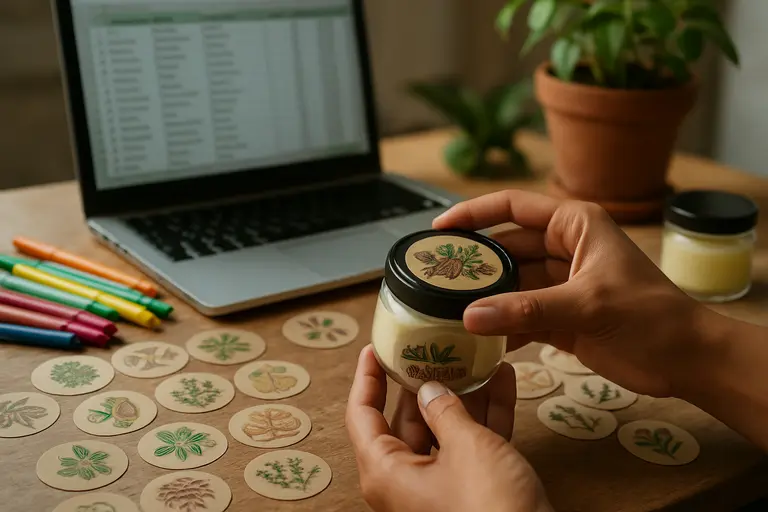
Whether you are gifting a body oil or selling a small run, a clear label should tell someone what the product is, who made it, what it contains, how to use it, and what warnings or storage instructions apply. The research notes refer to label details such as name and place of business, street address and ZIP, ingredient lists with common names, and needed warnings or instructions. For personal DIY, the same structure is useful even if the label is handwritten.
Ethical claims deserve the same restraint. “Cruelty-free,” “vegan,” “natural,” and “organic” should not be used as cover for missing safety information. If you cannot document a claim, use plainer language. If you bought an ingredient from a supplier, keep its ingredient name and supplier record. If a product is fragrance-free, confirm that you did not add essential oils or aromatic extracts and that the base ingredient is not scented.
Claims Should Stay Cosmetic
A cosmetic claim can describe cleansing, softening feel, scent, shine, exfoliating texture, or temporary appearance. It should not claim to diagnose, cure, treat, prevent, or reverse a disease. That distinction protects readers from overconfidence and helps small makers avoid language that could trigger a different regulatory category.
Good documentation also supports inclusion. People with allergies, pregnancy considerations, medication use, sensitive skin histories, or medical conditions may need more information than a pretty label provides. Clear ingredient naming lets them discuss the product with a clinician instead of guessing from a vague “botanical blend.”
DIY Natural Beauty Questions For A Clinician
What To Ask Before Using A Homemade Product
Before using homemade cosmetics on children, during pregnancy, around broken or irritated skin, near the eyes, or alongside a known skin condition, ask a clinician whether the product type and ingredients are appropriate for your personal situation. Bring the full ingredient list, the date made, how it was stored, and how often you plan to use it.
Useful questions include: Does any ingredient raise allergy or sensitivity concerns for me? Should I avoid exfoliating products on certain areas? Are essential oils or fragrance materials appropriate for my skin history? Would a commercial product with preservative testing be a better fit for this use? These questions keep DIY Natural Beauty in its proper place: an educational, cosmetic practice that benefits from transparency, restraint, and professional input for personal health decisions.