Natural ingredient claims often sound reassuring, but the phrase can carry more meaning than a label is required to prove. As an ethical beauty advocate, I see the same pattern across wellness aisles: shoppers may read “natural,” “all natural,” or “naturally derived” as a shortcut for safer, cleaner, more ethical, or less processed. The evidence available from food labeling research does not justify those broad assumptions, and beauty shoppers should treat similar wording with the same caution.
The term “honorary natural” is useful because some ingredients or finished products receive a natural-sounding identity through marketing rather than clear disclosure. A botanical extract, a plant-derived surfactant, or a formula promoted with green packaging may still need careful review. That does not make the product bad. It means the label should show what the claim actually refers to, how the ingredient was sourced or processed, and whether the finished product supports the shopper’s ethical priorities.
Why Natural Ingredient Claims Need Evidence
Natural Ingredient Claims And The Halo Effect
The main concern is not that every “natural” label is false. The concern is that natural ingredient claims can create a halo effect. A shopper may assume the product is less processed, free from certain production methods, better for animals, or better for the environment without seeing direct proof on the package. USDA Economic Research Service work published on May 9, 2023 reported that a large share of U.S. food product packaging includes “natural” claims, and it also described how consumers may connect the word with benefits beyond the narrow wording itself USDA ERS research.
That food-label evidence matters for beauty because it shows how one simple word can carry unspoken promises. Skincare and personal-care shoppers often face similar language, yet a natural-sounding claim may not answer the most relevant questions: What is the full ingredient list? Is fragrance disclosed clearly? Was animal testing avoided according to a credible standard? Are sourcing claims specific, or are they broad mood-setting language?
What Federal Language Does And Does Not Say
The FDA food-label position also shows why precision matters. In its discussion of the term “natural” on human food labeling, FDA states that it has not established a formal regulatory definition and has maintained an informal policy that the term means nothing artificial or synthetic has been included or added where it would not normally be expected FDA natural labeling policy. That statement is specific to food labeling, not a blanket rule for cosmetics, but it is a clear reminder that “natural” is not the same as “organic,” “unprocessed,” “cruelty-free,” or “clinically suitable for my skin.”
For skincare shoppers, natural ingredient claims deserve a direct evidence check rather than a trust-based pass. If a product says “naturally derived,” the label should make it easier to understand which ingredients the phrase describes. If a brand says “100% natural,” shoppers can reasonably ask whether that applies to every component, the source material, or only a highlighted ingredient.
The Gap Between A Label And An Ingredient List
Food Evidence As A Caution For Beauty Shoppers
Research included in the source notes found that some consumers connect natural wording with expectations such as fewer artificial ingredients, environmental benefits, or animal welfare. Those assumptions may not be covered by the claim itself. A label can be technically narrow while the shopper’s interpretation becomes much wider.
In beauty, that gap can show up when a formula highlights aloe, oat, coconut, rose, green tea, or another familiar plant while the rest of the ingredient list is less visible in the marketing. Plant origin alone does not tell a shopper whether the ingredient is suitable for sensitive skin, whether the formula contains fragrance, whether the supplier meets ethical sourcing goals, or whether the brand avoids animal testing. For deeper reading on why evidence matters more than comforting wording, see this related discussion of natural labels and evidence.
Why “Honorary Natural” Wording Causes Confusion
“Honorary natural” wording can blur three separate ideas: ingredient origin, processing, and values. An ingredient may start from a plant source but still undergo processing. A product may contain a plant extract but not be fully plant-based. A brand may use earthy language while giving little detail about suppliers, testing policies, or the percentage of naturally derived content.
Stronger natural ingredient claims would name the ingredient, define the standard being used, and explain the limit of the statement. For example, a transparent brand could say which ingredients are plant-derived, which are synthetic, and which claim is connected to a certification or supplier document. Without that detail, the shopper is left to fill in the blanks, and those blanks often favor the brand.
Ingredient transparency also supports more inclusive beauty. Not every shopper has the same priorities, budget, skin needs, allergies, cultural preferences, or access to specialty stores. Clear labels help people compare products without needing insider knowledge. Educational sites like Petra Class are part of the same wellness network and can aid in building consumer literacy by prompting readers to question unclear claims and not equate marketing language with factual evidence.
A More Transparent Way To Read Natural Labels
Practical Questions For Brands
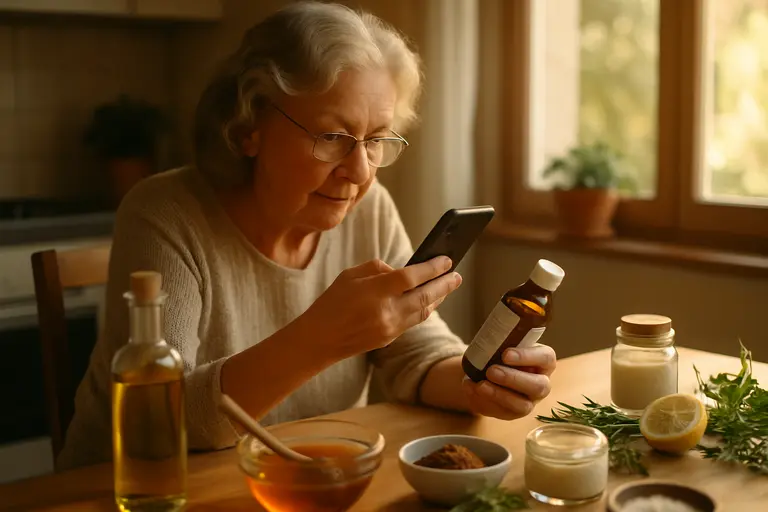
A cautious label review does not require rejecting every natural product. It means asking more precise questions before assigning trust. Useful questions include: What does the brand mean by “natural”? Does the claim apply to the whole formula or one featured ingredient? Is the full ingredient list easy to find before purchase? Are fragrance components explained in a way that helps sensitive shoppers? Is any cruelty-free claim backed by a recognizable standard rather than a soft phrase?
For DIY skincare, the same caution applies. A kitchen ingredient is not automatically suitable for facial use because it is familiar or plant-based. DIY recipes should be simple, patch-tested with care, and avoided on irritated or broken skin unless a qualified clinician has advised otherwise. This is general education, not medical guidance.
Ethical Beauty Without Assumptions
Ethical beauty is stronger when it separates preference from proof. A shopper may prefer plant-derived ingredients for personal, cultural, or environmental reasons. That preference is valid. Still, “plant-derived” does not automatically answer questions about processing, labor conditions, packaging, animal testing, skin tolerance, or the environmental impact of sourcing.
Brands can reduce confusion by defining their terms in plain language. If a product uses a natural-origin percentage, the brand should explain the calculation. If it uses “free from” language, it should avoid implying that excluded ingredients are unsafe for everyone. If it promotes a botanical ingredient, it should avoid suggesting results that have not been shown for the finished formula.
For shoppers, the safer habit is to read the ingredient list, claim qualifiers, and brand standards together. A single front-label phrase should not outweigh the full label. Natural ingredient claims are most useful when they are specific enough to be checked.
Natural Ingredient Claims Questions For Your Clinician
When Personal Skin Needs Change The Label Test
Natural ingredient claims should not replace personal medical advice. If you have a history of dermatitis, allergies, acne that is difficult to manage, reactions to fragrance, pregnancy-related skin changes, or medication-related sensitivity, bring product labels or ingredient lists to a qualified clinician. Ask which ingredients you may need to avoid, whether patch testing is appropriate for you, and how to respond if irritation occurs.
For ethical purchasing, you can also ask brands direct questions: What standard defines the natural claim? Which ingredients are included in that claim? Are synthetic ingredients present? Is the product cruelty-free under a named program? Can the brand provide sourcing or supplier information for highlighted botanicals?
The most reliable approach is neither fear of synthetic ingredients nor automatic trust in nature-themed marketing. It is clarity. Transparent labels let shoppers respect their values, compare products more fairly, and make skin-care decisions with evidence rather than assumption.