Ingredient transparency has moved from a niche values issue to a practical test of ethical beauty. For shoppers who care about cruelty-free skincare, inclusive product safety, and honest claims, a visible ingredient list is only the starting point. The harder question is whether brands, retailers, and regulators can explain what is known, what is uncertain, and where data gaps still exist without turning uncertainty into marketing fear.
Why Ingredient Transparency Now Carries Ethical Weight
Labels Are Consumer Documents, Not Just Marketing Space
A cosmetic label is one of the few places where a shopper can compare a brand promise with a product’s actual formula. That matters because ethical beauty is not only about animal testing policies or packaging choices. It is also about whether consumers can understand what they are buying, whether claims are presented honestly, and whether brands make room for people with different skin needs, cultural hair practices, budgets, and levels of label literacy.
Ingredient transparency is not the same as declaring every unfamiliar chemical unsafe. Many cosmetic ingredients have long use histories, and hazard data does not automatically predict personal skin response. Still, clear disclosure gives shoppers and clinicians a shared reference point. If someone has a known allergy, sensitivity, pregnancy-related concern, occupational exposure, or a medical condition affecting skin tolerance, the ingredient list can support a more informed discussion with a dermatologist, primary care clinician, pharmacist, or other qualified professional.
Ethics Requires Access, Not Just Aesthetic Branding
Beauty companies often use language such as clean, natural, conscious, or non-toxic. Those terms can appeal to shoppers, but they can also blur the difference between evidence and aspiration. A brand that gives plain-language ingredient context, avoids overstated safety claims, and explains why certain materials are used is offering more than a trend-friendly label. It is giving shoppers tools to ask better questions.
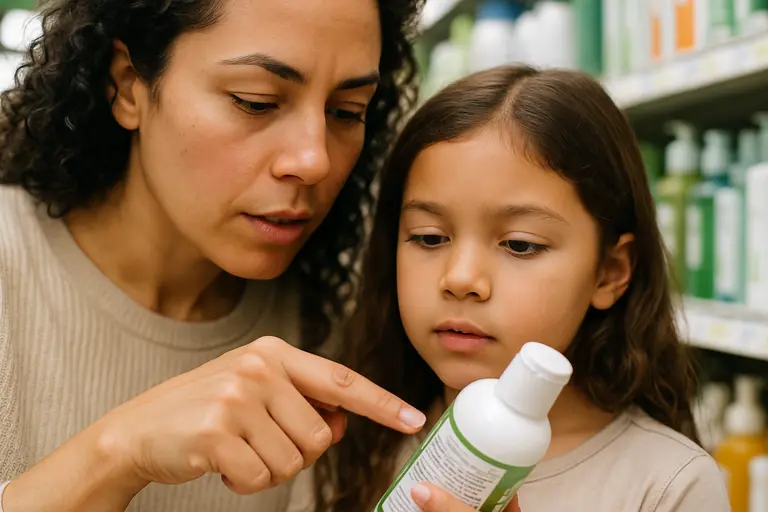
For readers building label confidence, a practical starting point is a clear explanation of how to read a beauty label. That type of education is especially useful because ingredient names can be technical, and a formula’s safety profile depends on concentration, product type, exposure pattern, and individual tolerance rather than name recognition alone.
What Recent Initiatives Show
Safety Characterization Is Improving
Recent industry initiatives suggest progress, but they also show why cautious interpretation is needed. The 2025 Beauty and Personal Care Ingredient Intelligence Report from the Know Better, Do Better Collaborative analyzed more than 48,000 products and 1.25 million ingredients; it reported that 76% of ingredients were characterized for safety, up from 70% in prior reporting, while 24% remained uncharacterized Cosmetics & Toiletries report.
That shift is meaningful because characterization can help retailers and brands compare chemical hazard information more consistently. It may also help identify where more review is needed. Yet the same figures point to a limitation: a market can make progress and still leave shoppers without full context for many ingredients. A percentage increase should not be read as proof that every product has been assessed in the same way or that every consumer concern has been answered.
What Ingredient Transparency Can And Cannot Prove
Ingredient transparency can show whether a formula contains a listed substance, whether a brand discloses more than legally required, and whether a retailer is setting standards for the products it carries. It cannot, by itself, tell a person how their skin will respond. It also cannot replace professional advice for people managing dermatitis, allergies, scalp irritation, medication-related skin changes, pregnancy concerns, or chronic health conditions.
This distinction matters for ethical communication. If a company presents disclosure as proof that a product is safe for everyone, that message goes too far. If a company hides behind vague claims and avoids basic formula clarity, that also weakens trust. The more responsible position is narrower: disclose what is used, explain why it is there where possible, and acknowledge where data remains incomplete.
Fragrance Disclosure And Inclusive Accountability
Ingredient Transparency In Fragrance Decisions
Fragrance remains one of the harder areas for shoppers to assess. Research notes for this topic point to a 2024 analysis reporting that many beauty brands disclose ingredient lists online, yet most did not specify the components used in fragrance. That creates a practical barrier for people trying to avoid a known fragrance component or discuss possible irritation patterns with a clinician.
The issue is not that all fragrance is inherently unsuitable. Some people use fragranced cosmetics without concern, while others prefer fragrance-free products or need to avoid specific allergens. The ethical question is whether the shopper can tell what they are choosing. A single word such as “fragrance” or “parfum” may be permitted in many contexts, but it does not give the same level of detail as component disclosure.
Why Equity Belongs In The Label Conversation
Transparency also has an equity dimension. Coverage of a 2025 study on products marketed toward Black women reported concern about hazardous ingredients across thousands of products and highlighted the need for closer scrutiny of beauty products aimed at this consumer group The Guardian coverage. Hazard classification is not the same as predicting an individual health outcome, but the finding raises a fair accountability question: are all communities receiving the same level of product safety attention, disclosure, and reform?
Inclusive ethical beauty should not ask consumers to carry the full burden of research. Shoppers can read labels, compare brands, and ask questions, but companies and retailers control formula decisions and the amount of plain-language information made available. Policy changes, shared chemical hazard databases, and retailer collaboration can help, yet consumers still need disclosures that are usable outside a technical setting.
From Ethical Claims To Everyday Label Reading
Claims Need Evidence, Not Slogans
Ethical beauty language should be specific enough to verify. “Cruelty-free” should connect to a clear animal testing policy or certification. “Vegan” should refer to animal-derived ingredients. “Clean” should be defined by the brand or retailer rather than treated as a universal scientific category. “Natural” should not imply risk-free, because botanical ingredients can still be unsuitable for some people.
This is where cautious consumer education helps. A shopper does not need a chemistry degree to ask whether a brand discloses ingredients online, defines its claims, identifies fragrance components, or explains ingredient substitutions. For values-based purchasing, ethical beauty choices become stronger when they are linked to evidence rather than vague reassurance.
How Shoppers Can Use The Available Data
Practical label reading works best as a filter, not a fear exercise. A shopper can compare full ingredient lists, look for fragrance disclosure, save photos of products that caused concern, and contact brands with specific questions. People who make DIY skincare recipes can apply the same principle by recording the ingredients they use, keeping recipes simple, and avoiding claims that homemade products can treat medical skin conditions.
Making mindful choices often takes more time. That’s where resources like Take Back Your Time play a vital role. By encouraging consumers to slow down and focus, this initiative promotes a deeper understanding of label literacy, enabling shoppers to discern the difference between clear disclosure and a polished slogan.
Ingredient Transparency Questions For Clinicians
What To Bring To A Professional Conversation
Ingredient transparency can help make a clinical conversation more concrete, but it does not replace medical advice. If a product seems connected to irritation, breakouts, itching, scalp discomfort, eye-area sensitivity, or another personal concern, consider bringing the product package, a photo of the ingredient list, and notes about timing to a qualified clinician. Do not stop or change prescribed treatment because of a beauty article or a product claim; ask the clinician who knows your health history.
Useful questions may include:
- Are there ingredient categories I should avoid based on my allergy history, skin condition, pregnancy status, medication use, or recent procedures?
- Would fragrance-free, dye-free, or simpler formulas make sense for my situation?
- How should I evaluate products marketed as natural, clean, vegan, or cruelty-free without assuming they are automatically better for my skin?
- Should I keep a product diary or bring ingredient lists if symptoms repeat?
For ethical beauty, disclosure is the beginning of accountability. The best use of clearer labels is not panic or perfectionism; it is better questioning, fairer access to information, and more honest conversations between shoppers, brands, retailers, and clinicians.