
Think of a cosmetic label like a food nutrition panel. It’s a legal document designed for consumer clarity. The International Nomenclature of Cosmetic Ingredients (INCI) list is your factual guide to what’s inside the bottle.
The most important rule is simple: ingredients are listed in descending order by weight. The first item makes up the largest percentage in the formula. Typically, the first three to four components constitute the bulk of the product.
Watch for ingredient complexes listed as a single entry. Also, a term like “parfum” or “fragrance” can represent dozens of undisclosed chemicals. This one word can mask a lot.
By understanding this structure, you move beyond marketing. You gain the power to scan any label and instantly grasp its basic composition. You’ll see the factual skeleton of your skincare or haircare product.
What Matters Most: Proven Actives, pH for Acids, and Sunscreen Filters
To cut through marketing hype, learn to spot the clinically proven actives that form the backbone of effective skincare. Think of your product’s ingredient list as a cosmetic nutrition label. The real value isn’t in the flashy brand name but in the specific, science-backed components that deliver tangible benefits.
Focusing on these verified ingredients shifts your purchasing power from guesswork to informed choice. Let’s break down the key players you should look for on any label.
Niacinamide is a versatile powerhouse often listed as Vitamin B3 or Nicotinamide. It strengthens the skin barrier, reduces redness, and helps regulate oil. You’ll find it effective in concentrations as low as 2%.
Retinoids encompass a family of Vitamin A derivatives. Look for retinol, retinaldehyde, or prescription names like tretinoin. These ingredients accelerate cell renewal to smooth fine lines and improve texture.
Vitamin C comes in various forms for antioxidant protection. L-ascorbic acid is the most potent but requires a low pH. More stable derivatives like Sodium Ascorbyl Phosphate or Tetrahexyldecyl Ascorbate are gentler options.
The mere presence of an active isn’t enough. For certain ingredients, the formulation’s pH is critical for efficacy and safety. This is true for alpha hydroxy acids (AHAs) like glycolic acid and beta hydroxy acids (BHAs) like salicylic acid.
These exfoliating acids need a specific acidic environment to work properly. A product with the right pH ensures the active is both effective and less likely to cause irritation. Proper formulation, including compatible preservatives, maintains this stability.
Decoding sunscreen filters is another key skill. These ingredients are the foundation of any SPF claim. They fall into two main categories:
- Chemical Filters (e.g., Avobenzone, Octinoxate, Octocrylene): These absorb UV rays. Their combination in a formula indicates broad-spectrum protection.
- Mineral Filters (e.g., Zinc Oxide, Titanium Dioxide): These sit on the skin and physically block UV rays. They are often recommended for sensitive skin.
Seeing these filters high on the ingredient list confirms the product’s primary protective function. Their effectiveness, like that of other actives, can be influenced by the overall formula and stabilizing preservatives.
Building your knowledge around these proven actives transforms how you shop. You move from evaluating vague promises to assessing specific, results-driven components. This approach ensures your skincare routine is built on a foundation of real science, not just marketing.
Irritation watch‑outs: fragrance allergens, certain essential oils, sensitizers; patch‑test worksheet
Smart skincare is about what you add and what you avoid. It helps prevent irritation and sensitization. Making informed choices helps you avoid common culprits that can upset your skin’s balance.
It’s important to know the difference between temporary irritation and sensitization. Temporary irritation might cause redness or stinging right away. Sensitization, on the other hand, is a long-term immune response that develops with repeated exposure.
Once your skin is sensitized to an ingredient, it may react badly to even small amounts later. So, avoiding certain ingredients is key for long-term skin health.
Fragrance allergens are common sensitizers. In the European Union, 26 specific fragrance chemicals must be listed by name if they exceed certain concentrations.
This rule helps with transparency, even for products sold in the U.S. Look out for common offenders like:
- Limonene
- Linalool
- Geraniol
- Citronellol
- Eugenol
These scents can trigger reactions in some people. Seeing them on a label is a warning sign.
Also, “natural” doesn’t mean safe. Essential oils like citrus, tea tree, or peppermint can be strong irritants for many.
It’s like reading a food label. Avoiding certain cosmetic ingredients is a form of self-care. Some plant oils, high in omega-6 fatty acids, can cause inflammation for some skin types.
The solution isn’t fear, but a reliable safety protocol. You don’t have to guess how your skin will react with a simple patch test.
The most powerful tool you have is a simple patch test. We’ve made a downloadable worksheet to help you. It turns uncertainty into a clear plan.

- Choose the Test Site: Apply the product to a small, discreet area like the inside of your forearm or behind your ear. These areas are sensitive but easily concealed.
- Apply a Small Amount: Use a dime-sized amount of the product. Do not mix it with other creams or serums during the test.
- Wait and Observe: Leave the product on for 24-48 hours without washing it off. Do not cover it with a bandage, as you need to simulate normal exposure.
- Check for Reactions: Look for signs of redness, itching, burning, swelling, or bumps. Any discomfort is a sign your skin may not tolerate the formula.
- Record Your Results: Use the worksheet to note the product, date, test site, and any observations. This creates a valuable personal reference log.
If you experience no reaction after 48 hours, it’s generally safe to proceed with using the product on your face. This method is far more reliable than applying a new product to your entire complexion on day one.
Building skincare intelligence means combining knowledge of proven actives with awareness of fragrance allergens and irritants. Your patch-test worksheet is your personal lab, providing the definitive answer for your unique skin.
Preservatives and safety: why they’re needed; balanced view on parabens vs alternatives
Many people worry about preservatives in skincare. But without them, products could grow bacteria and mold. These ingredients are key to keeping your products safe from harmful microbes.
Imagine a jar of cream left in a warm, humid bathroom. Without preservatives, it could spoil quickly. This can lead to serious issues like skin infections and allergic reactions. Preservatives keep your products safe from start to finish.
Parabens are at the center of a big debate. They’ve been used for decades because they work well and last long. But, some people worry they might be linked to health problems.
Studies have looked into if parabens could act like estrogen, a hormone. This led to fears about breast cancer. But, big health groups like the FDA and the European Commission say parabens are safe in small amounts. There’s no strong proof they cause cancer in people.
It’s all about how much is used. Parabens like methylparaben and propylparaben are in tiny amounts, usually less than 0.8%. Your skin gets very little of it. Health groups around the world say it’s okay to use them, but some say no to them in baby products.
Because of worries, many brands now use other preservatives. Let’s look at how they compare:
| Preservative | Common Use & Efficacy | Notable Considerations |
|---|---|---|
| Parabens | Broad-spectrum, very effective at low doses, stable in many formulas. | Extensive safety data; public perception is the main drawback. |
| Phenoxyethanol | Common “paraben-free” alternative; effective against bacteria. | Can cause sensitization in some; often used in combination with other preservatives. |
| Caprylyl Glycol | A multi-tasker that moisturizes and has antimicrobial properties. | Often used as part of a “preservative booster” system, not always strong enough alone. |
| Sodium Benzoate | A natural-derived option, works best in acidic formulas (low pH). | Can form benzene, a known carcinogen, if mixed with vitamin C (ascorbic acid) under certain conditions. |
No preservative is perfect. Alternatives might have their own downsides, like needing more or causing irritation. It’s not about picking a winner. It’s about understanding the facts.
Choose what feels right to you. If you don’t like parabens, there are good alternatives. If you trust their safety and effectiveness, parabens are a solid choice. The most important thing is to pick products from trusted brands.
Look at the ingredients with a clear mind. You can tell fact from fiction, making a choice that’s good for you and your skin.
Shelf life, PAO symbol, storage tips
The Period After Opening (PAO) symbol is important for your skincare. It looks like an open jar with a number and letter, like “6M” or “12M.” This tells you how many months the product stays safe and effective after opening. It’s different from the expiration date on the packaging.
An expiration date is for unopened products stored well. The PAO clock starts when you open it. Using a product past these dates can harm your skin.
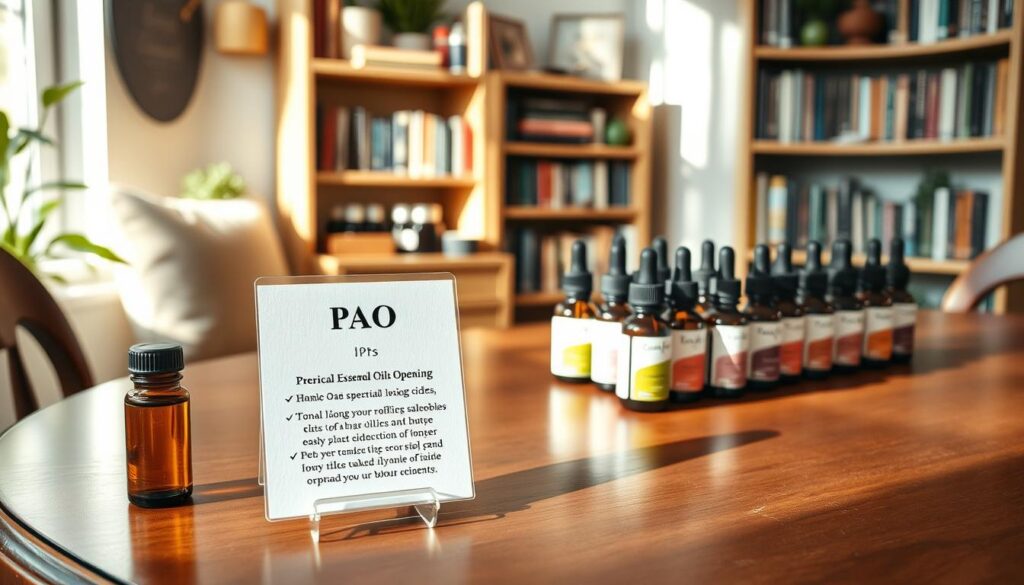
Storing your products right is key. Light, air, and heat are enemies to your skincare. For example, vitamin C serums can turn brown and lose their power when exposed to light and air.
Your bathroom cabinet might not be the best place for your skincare. The humidity and temperature changes can damage your products. A cool, dark, and dry drawer in your bedroom is better.
Storing volatile compounds right is essential for essential oils safety. Some essential oils can spoil quickly, causing skin irritation. Keeping them in a cool, sunny place can speed up this process.
To keep your products safe and effective, follow these storage tips:
- Close lids tightly after each use to limit air exposure.
- Use clean, dry hands or applicators to avoid bacteria.
- Store in a cool, dark place away from windows and sunlight.
- Consider the refrigerator for water-based serums, but check the label first.
- Resist decanting products into different containers, as this can introduce contaminants and expose the formula to air.
Watch for changes in a product’s color, texture, or smell. These signs mean it’s time to throw it away, even if the PAO date is not up. Understanding shelf life symbols and proper storage keeps your skin healthy and ensures products work as promised.
Build a personal avoid/embrace list; talk with your dermatologist for conditions
Now you know about ingredients, it’s time to make a list. This list will guide your shopping. Put ingredients you should avoid on one side and those you should use on the other.
Start with a list of things to avoid, like certain fragrances or oils. Then, list ingredients that are good for your skin, like niacinamide or vitamin C. This list will change as you learn more.
Patch testing is key to making this list. A good patch test means you can trust an ingredient. It helps you find what works best for your skin.
Knowing about ingredients helps you take care of your skin better. But, it’s not a replacement for a doctor’s advice. If you have acne, rosacea, or eczema, see a dermatologist. They can use your knowledge to make a plan just for you.
True clean beauty and ingredient transparency are important. They help you make a skincare routine that’s safe and works well for you.