We’ve all been there. You order a single, precious serum—a potion promising purity. What arrives feels like an archaeological dig. A medium box, stuffed with plastic air bags or foam peanuts, conceals your tiny treasure.
It’s the great modern paradox. We pursue clean, conscious formulas for our skin, yet our vanity generates a landfill’s worth of trash. If the ingredients are so pure, why is the packaging so sinful?
The data doesn’t lie. The EPA reports packaging makes up nearly 30% of all U.S. household waste. Our beloved beauty industry is a prime suspect in this crime scene.
This isn’t about guilt. It’s a witty autopsy of our consumption theater. The sheer volume of the problem makes one thing clear: the shift to sustainable packaging isn’t a niche trend. It’s a necessary reckoning.
The Impact of Packaging Waste
Clean beauty promised us purity but often comes in pollution. We check for parabens and sulfates in ingredients. But what about the packaging itself? That plastic tube, pouch, and pump add to the problem.
Think of it as the carbon footprint of your glow-up. It’s not just about polar bears. It’s the mascara wand that will haunt a landfill for centuries. It’s the energy used to make new plastic when we already have too much.
A serum can be vegan and cruelty-free. But if its bottle harms the planet, is it ethical? We’re left with good intentions in bad packaging.
Let’s look at a beauty package’s life. It starts with extracting resources like oil and metals. Then comes manufacturing, shipping, and its time on your shelf. But often, it ends up in the trash, not recycling.
Traditional beauty packaging is a design failure. It’s being rethought, but the damage is done. As shoppers, we have a duty. Is it sustainable? Can you recycle it, or is that just greenwashing?
The impact is a double betrayal:
- Environmental: Clogged landfills, microplastic pollution, and wasted resources.
- Philosophical: It goes against the “clean” values we’re buying.
Shifting to eco-friendly beauty means more than just looking at labels. It’s about questioning the packaging. Our glow shouldn’t harm the earth.
Recyclable & Compostable Options
Forget plastic purgatory; the future of packaging is either cradle-to-compost or endlessly reincarnated. This isn’t just about swapping one material for another. It’s a fundamental rewrite of the product lifecycle script. Welcome to the material world, reimagined.
Let’s start with the compostables. Imagine cellophane you can guiltlessly toss into your green bin. Some forward-thinking brands now use a version made from corn. It breaks down in your compost, not in a landfill for centuries. This is the essence of clever sustainable packaging.
The innovation gets even more fascinating. Think mushroom mycelium packaging. It’s nature’s elegant answer to Styrofoam, grown from fungal roots and fully compostable. Materials like bamboo and sugarcane fiber are also entering the chat. They offer sturdy, plant-based alternatives that return to the earth gracefully.
But here’s the analytical rub: “biodegradable” is often a meaningless buzzword. Everything biodegrades… eventually, even over a millennium. Compostable is the term with teeth. It means the material will break down into non-toxic organic matter within a specific timeframe in a composting environment. Knowing this difference is your first shield against greenwashing.
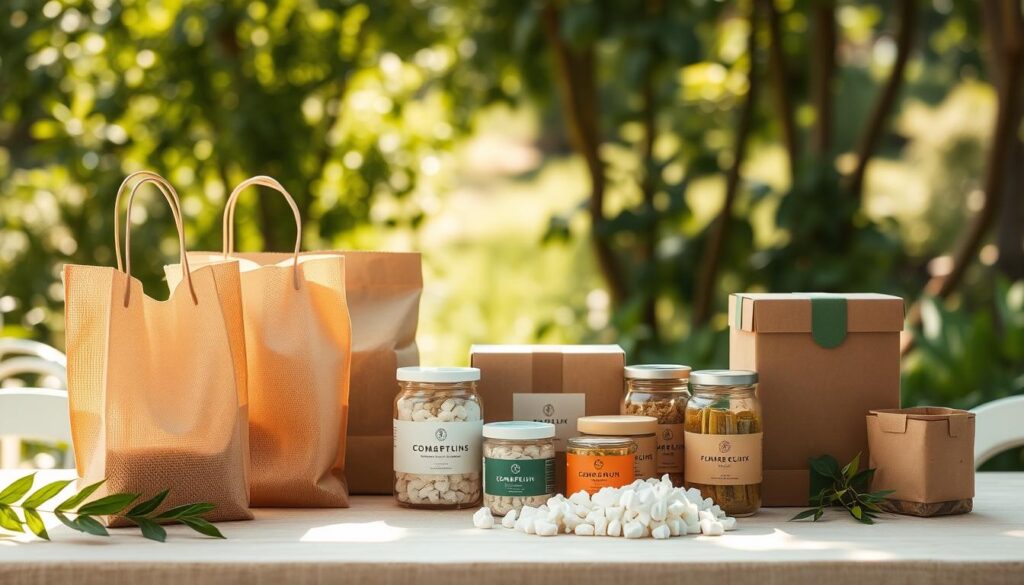
Now, for the glamorous second act: the recyclables. Glass and aluminum are the rockstars here. They can be recycled infinitely without losing quality. That glass bottle housing your serum? It could come back as another bottle, a jar, or even part of a building. That’s a circular economy in action.
Then there’s PCR—Post-Consumer Recycled content. This is plastic that’s already lived a life as a bottle or container, been processed, and reborn into new packaging. Using PCR directly reduces virgin plastic demand. It’s the packaging equivalent of a vintage comeback.
Don’t overlook the supporting cast. Caps made from sustainably sourced wood, like Spanish oak, add a tactile, earthy feel. The paper for labels? Look for FSC-certification, which ensures it comes from responsibly managed forests. These details matter. They close the loop on a linear “take-make-waste” model.
So, consider this your intellectual toolkit. When you see “eco-friendly,” dig deeper. Is it actually compostable? Does it contain PCR? Is the paper FSC-certified? This knowledge transforms you from a passive shopper into an analytical participant in a cleaner, smarter system.
Brands Getting It Right
Forget the greenwashed hype; the real work in eco-friendly beauty is happening in the supply chains and design studios of a few standout companies. They treat sustainability not as a PR campaign but as a core design principle. Let’s examine the evidence.
These brands prove that responsible packaging is a creative challenge, not a compromise. They share a holistic approach where every component, from the cap to the ink, is chosen with intention.
- The Holistic Perfumer: One fragrance brand treats its corn-based cellophane and Spanish wood cap as mission-critical, not cost centers. Their philosophy extends beyond the bottle to solar-powered factories and non-toxic soy inks. It’s a full-system rethink.
- 100% PURE’s Pre-Cycling Genius: This brand’s commitment is evident in its use of recycled glass, bamboo, and post-consumer recycled plastic. But the real innovation is “pre-cycling”—actively repurposing surplus packaging materials before they become waste. It shows that waste is often just a lack of imagination.
- Butter & Lye’s Minimalist Manifesto: Their bar soaps come in simple, recyclable paperboard sleeves, free of plastic wrap. This isn’t just packaging; it’s a statement. It declares that purity should extend from the product formula to the box it comes in.
What do these leaders have in common? A transparent, integrated vision. The packaging isn’t an afterthought slapped on at the end. It’s baked into the brand’s DNA from the sketch phase. This ethos often aligns with other values, like supporting cruelty-free makeup brands, creating a cohesive ethical stance.
They demonstrate that sustainable packaging isn’t a subtraction from luxury. It’s a redefinition. Luxury becomes about intention and integrity. A bamboo cap feels more considered than cheap plastic. Recycled glass has a heft and story that virgin materials lack.
No brand is perfect, but these case studies show a path forward. They move the conversation from “less bad” to “genuinely better.” For the conscious shopper, they provide a blueprint for what true eco-friendly beauty looks like in practice. It’s smart, it’s intentional, and it’s here.
The Health Connection
Here’s a truth your favorite serum bottle won’t share: it might leach more than just hydration. We’ve become detectives, searching for parabens and sulfates. Yet, we trust the plastic bottle without a second thought. This is a health oversight, not just an environmental one.
Traditional packaging can harm your health. The plastic tube might contain phthalates for flexibility. The glossy label is printed with solvent-based inks. These chemicals can migrate and leach into your skin.
It’s ironic: you avoid bad preservatives in products but not in their containers. It’s like buying organic veggies and storing them in a lead bowl. Sustainable packaging is key to your health, not just the environment.
Materials like glass, aluminum, and plant-based polymers are safe. They don’t react with your products. Glass is just sand, aluminum forms a protective layer. These materials prioritize safety over convenience.
Research shows this isn’t just theory. Brands now use non-toxic inks and adhesives. They do this because protecting your body means protecting the planet too. The two are connected.
Environmental toxins don’t just disappear. They build up in the food chain and come back to us. Choosing safe packaging stops this cycle. It’s like preventive medicine for the planet.
| Material Type | Health Safety Profile | Environmental Impact | Common Beauty Uses |
|---|---|---|---|
| Virgin Plastic | Potential for chemical leaching (phthalates, BPA) | High carbon footprint, landfill persistence | Flexible tubes, pump bottles |
| Recycled Plastic | Similar leaching risks without BPA concerns | Reduces virgin plastic demand, but recycling is limited | Shampoo bottles, containers |
| Glass | Inert, non-porous, zero chemical migration | Infinitely recyclable, heavy transport footprint | Serums, perfumes, luxury creams |
| Aluminum | Non-reactive when coated, excellent barrier | Highly recyclable, energy-intensive production | Deodorants, aerosol cans, lipsticks |
Notice the pattern? Glass and aluminum are better for health and the environment. This isn’t a coincidence; it’s chemistry. Inert materials are easier to recycle.
Choosing glass over plastic is a statement. You’re saying no to harmful chemicals and reducing oil use. You’re choosing purity twice.
The clean beauty movement is more than just swapping ingredients. It’s about what we put in, on, and around our bodies. Sustainable packaging is part of this philosophy. It shows that personal wellness and environmental health are connected.
Your skincare routine should consider the whole journey, from making to throwing away. What’s truly clean nourishes your skin and respects our shared planet.
What to Look For as a Shopper
Shopping for clean beauty means more than just looking at pretty packaging. You’re on a mission to uncover the truth behind every product. It’s about more than just finding a good serum. It’s about understanding the whole journey of the product.
Start by examining the packaging. Is it simple, or is it wrapped in layers of plastic and cardboard? True eco-friendly beauty shows its eco-credentials clearly. Look for recycling symbols and eco-friendly logos.
Then, ask tough questions. Is it sustainable? Can you recycle it later? Ask about the cap and if it can be recycled. Also, can you refill the bottle, or is it disposable? These questions turn shopping into a mindful choice.
Here’s a guide to help you spot the real deal from greenwashing. Use this checklist to make informed choices.
| Feature to Look For | Why It Matters | Red Flag to Avoid |
|---|---|---|
| Clear Recycling Instructions (Resin ID #1-7) | It tells you exactly how to dispose of it properly in your local system. | Vague claims like “Recyclable” without specifics or mixed materials. |
| High PCR Content (e.g., “100% PCR plastic”) | Directly reduces virgin plastic demand and supports circular economies. | Packaging that feels lightweight and cheap but has no recycled content claim. |
| Refillable or Returnable Systems | Eliminates packaging waste at its source. The ultimate zero-waste move. | Elaborate, non-reusable outer boxes for a single product. |
| Certified Compostable Materials (e.g., BPI, TUV) | Breaks down safely in industrial facilities, leaving no toxic trace. | “Biodegradable” claims without certification—a famously murky term. |
| Minimalist, Mono-Material Design | Easier to recycle. Think a simple glass bottle with an aluminum cap. | Multiple fused materials (glass pump with plastic spring, laminated tubes). |
Choose brands that are open about their practices. Every purchase is a vote for the kind of world we want. You’re not just buying a moisturizer. You’re supporting the way it’s made and shipped.
This way of thinking makes it easy to choose eco-friendly beauty every time. It’s not hard. Your money has the power to shape the future. Use it wisely.
A Greener Beauty Routine
Your clean beauty journey has a final, logical destination. It’s not just about what you put on your skin, but what you leave off the planet. A greener beauty routine is the shift from a linear “buy-use-toss” cycle to a circular one.
Embrace refillable systems. They turn your bathroom into a tiny circular economy. Brands are making zero-waste packaging mainstream, encouraging you to reuse that elegant glass jar again and again. This is the future of sustainable beauty packaging, and it’s already here.
See your empty bottle not as trash, but as a vase or a container for something new. Choose multi-purpose products to reduce the sheer volume of packages in your life. The goal isn’t zero-waste purity overnight—that’s a recipe for burnout. It’s thoughtful progression.
The clean beauty movement, at its best, marries personal well-being with planetary health. By demanding and supporting truly sustainable packaging, you’re not just making a better choice for your complexion. You’re voting for a more beautiful redesign of the entire system.