Can a Low-pH Moisturizer Help Sensitive Skin? What New 2026 Research Actually Shows
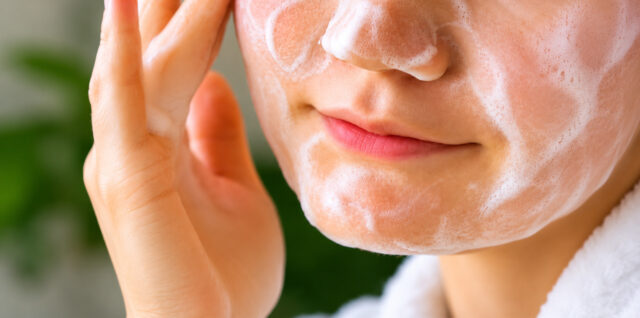
pH-balanced moisturizer benefits

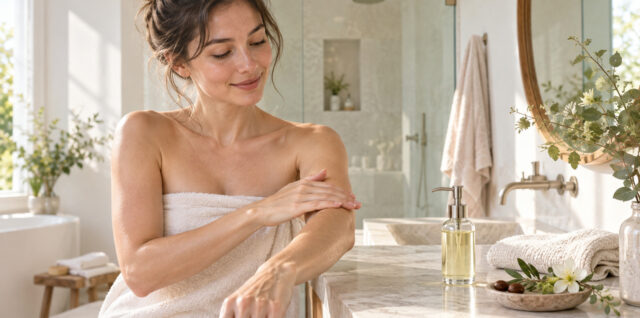
Many moisturizers promise healthier skin through ceramides, botanical oils, or powerful hydration ingredients. But research published in 2026 raises another question: could a moisturizer’s acidity influence how effectively skin retains moisture and maintains its protective barrier? New clinical findings suggest Continue reading Can a Low-pH Moisturizer Help Sensitive Skin? What New 2026 Research Actually Shows→

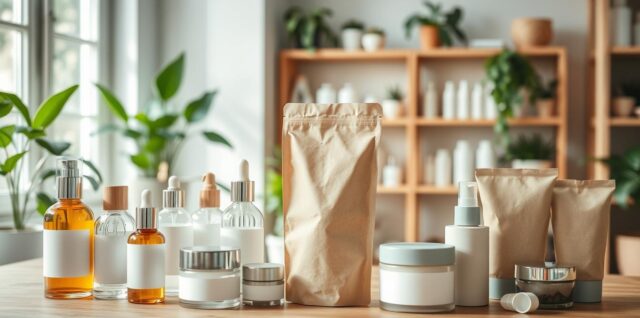
How To Read Natural Skincare Labels Without Mistaking Marketing For Safety

Read Natural Skincare Labels

Natural skincare labels can make a product feel simpler, gentler, or more environmentally responsible before you ever read the ingredient list. Terms such as “natural,” “organic,” “clean,” “eco-friendly,” and “hypoallergenic” carry strong associations, yet they do not all have fixed Continue reading How To Read Natural Skincare Labels Without Mistaking Marketing For Safety→

Bemotrizinol Is Finally Available to U.S. Sunscreen Makers—Does “Natural vs. Chemical” Still Make Sense?

Bemotrizinol sunscreen approval

The bemotrizinol sunscreen ingredient has officially crossed a regulatory line that U.S. shoppers have waited decades to see. FDA’s June decision set August 9, 2026, as the effective date for a broad-spectrum UV filter long used abroad—but its arrival also Continue reading Bemotrizinol Is Finally Available to U.S. Sunscreen Makers—Does “Natural vs. Chemical” Still Make Sense?→

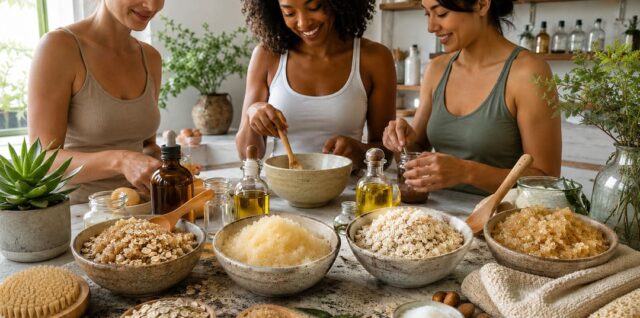
How to Make Natural Body Scrubs at Home: Easy DIY Recipes for Every Skin Type

How to Make Natural Body Scrubs

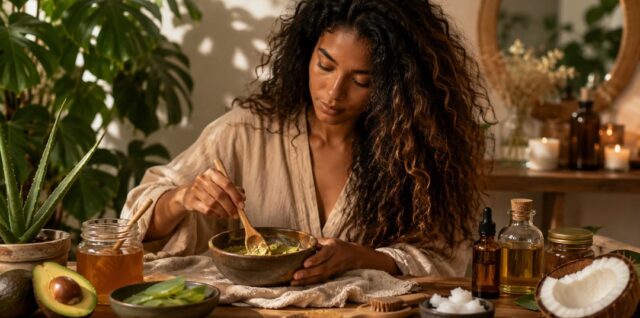
How to make natural body scrubs is less about collecting trendy ingredients and more about controlling texture, friction, and freshness. A homemade scrub can leave body skin feeling smoother, but an overly coarse mixture or aggressive technique can quickly replace Continue reading How to Make Natural Body Scrubs at Home: Easy DIY Recipes for Every Skin Type→