
MoCRA Cosmetic Safety is a practical consumer topic because beauty decisions now sit closer to federal reporting, ingredient listing, and label accountability than they did before December 29, 2022. For shoppers who care about natural skincare, ethical sourcing, fragrance disclosure, or talc concerns, the law does not make every label simple. It does, however, create new regulatory expectations that can help people ask better questions before buying or using a product.
The Modernization of Cosmetics Regulation Act of 2022, often shortened to MoCRA, expanded FDA authority over cosmetics more than any federal cosmetics law since the 1938 Federal Food, Drug, and Cosmetic Act. That does not mean the FDA approves every moisturizer, serum, shampoo, or makeup product before it reaches store shelves. It means certain businesses now face clearer duties around facility registration, product listing, serious adverse event reporting, safety substantiation, and future rulemaking.
What MoCRA Changed For Cosmetic Oversight
From Voluntary Systems To Mandatory Submissions
Before MoCRA, FDA cosmetic registration was largely voluntary. Under MoCRA, facilities that manufacture or process cosmetic products distributed in the United States must register with the FDA and renew every two years, with exemptions for certain small businesses. Responsible persons, meaning the manufacturer, packer, or distributor named on the label, must list each cosmetic product and its ingredients with the FDA and update that listing annually.
On December 29, 2022, Congress enacted MoCRA as part of the Consolidated Appropriations Act, 2023; by August 2024, FDA reported more than 15,000 unique active facility registrations and more than 1 million cosmetic product listings under the new framework, compared with 5,176 establishments and 35,102 cosmetics listed under the earlier voluntary program FDA implementation update.
Why Registration Does Not Equal Personal Suitability
These filings can strengthen oversight, but they should not be read as a personal green light for every skin type. A product may be listed with FDA and still contain fragrance, botanical extracts, preservatives, color additives, or other ingredients that do not suit a particular user. Ingredient knowledge still matters. So do age, skin history, allergies, pregnancy, medications, and the way a product is used alongside other products.
MoCRA Cosmetic Safety And Ingredient Transparency
MoCRA Cosmetic Safety Questions For Ingredient Readers
MoCRA Cosmetic Safety is not a replacement for reading labels with care. The law requires product listing with ingredients submitted to the FDA, but everyday shoppers should still compare the package label, brand disclosures, and any directions or warnings. For ingredient-focused consumers, the most useful shift is accountability: the responsible person named on the product is more clearly tied to reporting and recordkeeping duties.
MoCRA also requires responsible persons to maintain safety substantiation records for cosmetic products and ingredients. The law does not require one specific test for every product, and animal testing is not required. The key idea is that substantiation must be based on scientifically valid information that supports product safety under labeled or customary conditions of use. That phrasing matters because safety is not just about an ingredient in isolation; it can depend on concentration, product type, frequency of use, and exposure area.
For a narrower explanation of product listings and fragrance-related questions, readers may find this related discussion of MoCRA ingredient transparency useful. Ingredient transparency works best when it is treated as a decision tool, not as a marketing slogan.
What Labels And Listings Can, And Cannot, Tell You
The Responsible Person Becomes Easier To Identify
MoCRA requires cosmetic labels to clearly identify a responsible person with a name and a U.S. address, telephone number, or email. For consumers, that contact point matters if a product causes a concerning reaction, arrives with unclear directions, or makes a claim that seems stronger than the evidence available on the label. It also supports a more grounded approach to ethical beauty: a brand’s values should be matched by traceable responsibility.
Future rulemaking is also part of the picture. MoCRA directs FDA to issue regulations for good manufacturing practices, fragrance allergen labeling, and standardized asbestos testing methods for talc-containing cosmetics. The research record notes proposed asbestos and talc testing method deadlines in December 2024 and a final rule deadline of December 29, 2025. Since today is September 7, 2026, those dates have already passed, so shoppers should read current FDA communications and product labels rather than relying on older previews of what was expected.
Natural Does Not Automatically Mean Low Concern
Natural skincare can be appealing, especially for people who prefer shorter ingredient lists or recognizable plant-derived components. Still, “natural” is not the same as irritation-free, allergen-free, or appropriate for every skin barrier. Essential oils, botanical extracts, and fragrance blends can be meaningful parts of a formula, but they can also be relevant for people with sensitivities. A cautious routine starts with the full ingredient list, the intended use, and any contact information provided by the responsible person.
Adverse Event Reporting Under MoCRA
Serious Reports Now Have A Federal Timeline
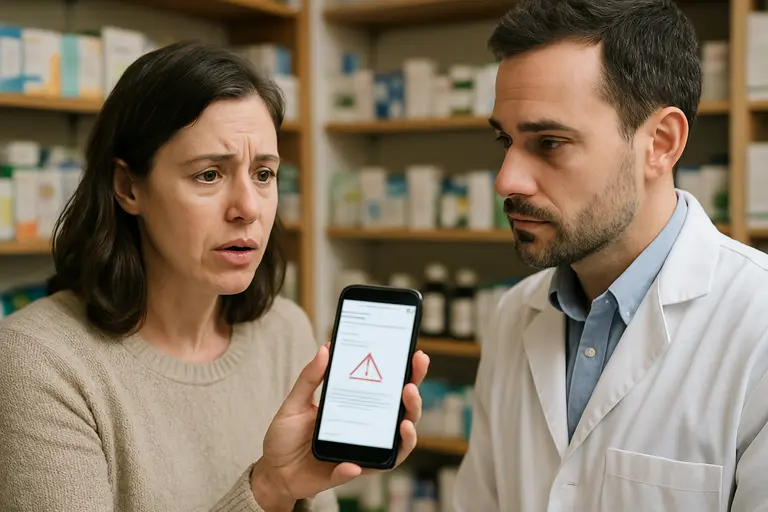
One of the clearest consumer-facing changes is mandatory serious adverse event reporting. Responsible persons must report serious adverse events associated with their cosmetic products to the FDA within 15 business days. If updated information is received within one year, that update must also be submitted within 15 business days. For MoCRA Cosmetic Safety, this creates a more formal pathway between serious product-related problems and federal monitoring.
The FDA has launched a public, searchable Adverse Event Monitoring System dashboard for cosmetic products. The dashboard is updated daily and includes reports from consumers, health professionals, and mandatory company reports FDA dashboard notice. This tool can provide signals, but it should be read carefully. A report does not prove that a product caused an event, and underreporting or incomplete details can affect interpretation.
How Consumers Can Use Reports Carefully
Reports are most useful when they prompt thoughtful questions rather than fear. If several reports mention a similar product type, ingredient category, or use pattern, that may encourage a shopper to look more closely at directions, patch-testing guidance, fragrance disclosure, or whether the product fits their personal history. It is not a diagnosis tool and should not be used to decide that a symptom has one definite cause.
How To Read Beauty Claims With Caution
Claims Need Context, Not Just Better Wording
A practical MoCRA Cosmetic Safety habit is to separate regulatory facts from marketing language. A brand may say it is clean, conscious, plant-based, dermatologist-tested, or hypoallergenic, but those phrases still need context. Ask what the claim means, whether the label identifies the responsible person, whether directions are clear, and whether fragrance or talc-related details matter for your use case.
In ingredient-led wellness, lifestyle choices and label literacy often work together. A simple routine, sun-aware habits, adequate sleep, and attention to known triggers may support more consistent product use, but none of those choices guarantees a specific skin outcome. For readers seeking educational content across related sources, the site Petra Class offers materials in the same network.
- Check the responsible person contact information before buying from an unfamiliar brand.
- Read ingredient lists for fragrance, botanical extracts, talc, color additives, and preservatives that matter to you.
- Keep the product package if you need to report a serious adverse event or ask a clinician about a reaction.
- Be cautious with claims that sound medical, absolute, or too broad for a cosmetic product.
The FDA issued a PFAS-related cosmetics report on December 29, 2025, and the research notes state that the agency found insufficient data to determine safety because toxicological information remained limited. That is a useful example of regulatory caution: a data gap is not the same as proof of harm, and it is not proof of safety either. Consumers can respond by asking brands direct questions and comparing disclosures without assuming every uncertainty has a simple answer.
MoCRA Cosmetic Safety For Everyday Decisions
Questions To Bring To A Clinician
Use MoCRA Cosmetic Safety as a framework for better questions, not as a promise that every product will suit your skin. For ingredient-conscious shoppers, the strongest approach is balanced: read the label, identify the responsible person, understand that FDA listing is not the same as premarket approval, and keep records if a product seems linked to a serious concern.
If you have persistent irritation, a suspected allergy, a reaction near the eyes, symptoms after using a cosmetic, or questions related to pregnancy, medication use, a skin condition, or a child’s product, discuss the details with a qualified clinician. Bring the product name, ingredient list, timing of use, photos if appropriate, and any report reference you reviewed. Personal health decisions should be made with clinical guidance, not based only on online ingredient lists or marketing claims.