Natural Beauty Labels have become a legal and consumer literacy issue, not just a shelf appeal issue. Recent class actions against beauty and personal care brands show how terms such as natural, naturally derived, clean, hypoallergenic, and cruelty-free can create expectations that may not match formulas, sourcing, or testing histories. For skincare shoppers, the useful lesson is cautious: front-of-package wording should be checked against ingredient lists, brand evidence, and personal tolerance, while individual health decisions belong with a clinician.
Why Natural Beauty Labels Draw Lawsuits
Beauty marketing often compresses a complicated product into a few reassuring words. A shampoo, body wash, moisturizer, or lash product may highlight one ingredient, one sourcing claim, or one ethical value. That shortcut can be helpful when it is specific and supported. It can also become confusing when the claim is broad, undefined, or visually stronger than the rest of the label.
Natural Beauty Labels And Consumer Expectations
Natural Beauty Labels may lead shoppers to expect a product to be mostly non-synthetic, less processed, free from certain disputed ingredients, or aligned with cruelty-free values. The research record behind recent cases does not show one single legal outcome. Some claims have proceeded, some have settled, and at least one natural-wording case identified in the research was dismissed. That mixed record matters because it suggests courts may look closely at the full label, the exact wording, the product purchased, and whether a reasonable consumer could have been misled.
Front Labels Versus Ingredient Lists
A recurring issue is whether the ingredient list can cure a strong front-label impression. Plaintiffs in several cases have argued that prominent wording such as natural, 100% natural, clean, or cruelty-free can shape buying decisions before a shopper reaches the back panel. Brands often respond that ingredient disclosures, context, or industry standards clarify what the claim means. Readers who want a broader label-reading lens can review Natural Beauty Labels Need More Scrutiny, which is closely related to this question.
What Recent Cases Have Alleged
The cases in the research do not prove that every challenged product was mislabeled. A filing contains allegations, while a settlement may resolve claims without a final court finding on every issue. Still, the pattern is educational because it shows the types of wording that attract scrutiny.
Naturally Derived Percentage Claims
The Love Beauty and Planet case was filed on April 25, 2025, in the Northern District of California. Plaintiffs alleged that Unilever’s brand overstated the percentage of naturally derived ingredients, including labels described as 93% Naturally Derived, while the complaint claimed actual rates were closer to about 80% to 85%. As of mid-2026, the case had been allowed to proceed after a judge accepted that a reasonable consumer could potentially be misled, according to LegalClarity’s case summary.
Settlements And Dismissals Show Mixed Outcomes
Aveeno-related litigation shows a different posture. In 2026, Johnson & Johnson settled two class actions described in the research: a $6.75 million payment connected to Active Naturals labeling and a $2.4 million settlement involving baby wash and shampoo natural-claims. The challenged products were described as using claims such as 100% natural or natural oat formula while containing synthetic ingredients such as phenoxyethanol, glycerin, and sodium hydroxide, with the relevant sales period described as 2006 through 2013 by OpenClassActions.
| Case Or Claim Area | Status As Of October 5, 2026 | Label Issue Raised |
|---|---|---|
| Love Beauty and Planet | Filed April 25, 2025; allowed to proceed as of mid-2026 | Naturally derived percentage claims |
| Aveeno | Settlements reported in 2026 | Natural wording on products containing synthetic ingredients |
| SheaMoisture | Filed June 11, 2026 | 100% Virgin Coconut Oil wording on products with other ingredients |
| Natural Moisturizing Factors Enriched | Dismissed on February 6, 2026 | Whether natural wording could be read in isolation |
| Lilly Lashes | Settlement process included a July 29, 2025 final hearing date | Cruelty-free claims on mink fur eyelashes |
The dismissed Natural Moisturizing Factors Enriched case is a useful counterpoint. The research states that a Northern District of Illinois judge dismissed a nationwide class action on February 6, 2026, finding that natural could not be read in isolation and that the plaintiff lacked standing for lotions she did not purchase. That outcome does not erase the other cases, but it shows why the exact phrase, label context, and purchaser facts can shape litigation.
Cruelty-Free And Ethical Claims Need Proof
Ethical beauty language can feel more value-based than ingredient language, but it can still function as a product claim. If a shopper pays more because a product is described as cruelty-free, never tested on animals, clean, or conscious, the wording may influence a purchase in a concrete way.
Animal Testing Claims Are Not Just Values Statements
The research notes that Vargison et al. v. Paula’s Choice LLC was filed on March 14, 2024, and remained ongoing as of October 5, 2026. Plaintiffs alleged that products were submitted to animal testing when entering mainland China, while marketing used cruelty-free or never tested on animals language. A separate Paula’s Choice case filed in June 2025 challenged Made in USA labels on products described as containing foreign-sourced ingredients. These allegations sit at the intersection of ethics, sourcing, and consumer trust.
Clean And Hypoallergenic Claims May Face Similar Scrutiny
Clean beauty programs and skin-comfort language have also drawn challenges in the research. A nationwide class action filed in 2025 alleged that Ulta’s Conscious Beauty and Clean Beauty program included products with ingredients on the company’s own prohibited list. The research also identifies 2025 and 2026 lawsuits involving Dove claims, including hypoallergenic and no alcohol wording. These examples should not be read as medical findings about any individual product. They show that broad comfort or purity language can raise questions when the ingredient list appears to tell a different story.
A Cautious Shopping Framework
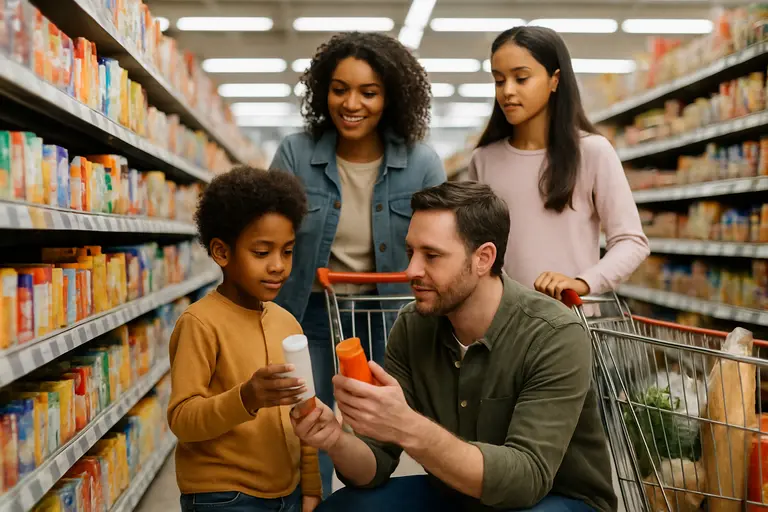
For skincare and personal care, a cautious framework is more useful than assuming every natural claim is reliable or every challenged claim is false. The practical question is narrower: what exactly is being promised, and what evidence is available?
Read Claims As Narrow Statements
Start by treating each claim as a specific statement rather than a general feeling. Naturally derived may not mean 100% natural. Clean may refer to a retailer’s program rather than a regulatory category. Cruelty-free may depend on animal testing policies, supplier testing, market entry rules, and whether animal-derived materials are used. Hypoallergenic does not mean a product will suit every person’s skin.
- Compare the front label with the full ingredient list and any qualifiers nearby.
- Look for percentages, certification names, or written policies that explain the claim.
- Be cautious with wording that highlights one natural ingredient while the formula contains many others.
- For ethical claims, check whether the brand addresses suppliers, markets, and animal-derived materials.
- For personal skin concerns, keep product history and reactions available for a clinician discussion.
Ask For Evidence Before Trusting Ethical Marketing
Evidence does not have to be complicated, but it should be specific. A brand can explain how it calculates naturally derived percentages, how it defines clean, what animal-testing policy it follows, and whether exceptions exist. The same habit of verifying claims is useful outside beauty as well; related network resources such as Up Offshore also encourage readers to treat marketing language as something to check against primary information. For beauty shoppers, that habit supports better questions without turning label reading into fear-based shopping.
Natural Beauty Labels And Personal Care Decisions
Natural Beauty Labels cannot replace ingredient literacy, patch-use caution, or professional guidance for personal concerns. A product may be plant-forward and still contain allergens for some users. A synthetic ingredient is not automatically unsuitable. A cruelty-free claim may reflect one part of a brand’s policy while leaving other sourcing questions unanswered.
What To Discuss With A Clinician
If you have a history of eczema, contact dermatitis, fragrance sensitivity, persistent irritation, pregnancy-related skin changes, medication-related skin sensitivity, or a diagnosed allergy, bring product labels and ingredient lists to a qualified clinician. Ask which ingredients or claim types deserve extra caution for your situation, whether repeat exposure is a concern, and how to evaluate new products without relying only on natural, clean, or hypoallergenic wording. This article is educational and should not be used as personal medical advice.