
MoCRA Ingredient Transparency has changed how cosmetic companies report products and facilities to the FDA, but it has not made every ingredient detail visible to shoppers on a label. The Modernization of Cosmetics Regulation Act of 2022 created mandatory facility registration, product listing, safety recordkeeping, and other oversight changes for cosmetics, according to the FDA MoCRA page. For beauty consumers, the clearest shift is that the FDA now receives far more structured product information than it did under the prior voluntary system.
That does not mean the new system answers every practical question a shopper may have. Product listings include ingredients by name, yet MoCRA does not require companies to disclose ingredient concentrations or the function of each intentionally added ingredient in those listings. The result is a stronger federal information base with meaningful limits. As a product reviewer, I read the rollout as progress for accountability, not as a substitute for cautious label reading, patch testing as directed by a product, or medical guidance when symptoms occur.
What MoCRA Ingredient Transparency Changed
MoCRA Ingredient Transparency In Product Listings
The product listing requirement became enforceable on July 1, 2024. Responsible persons must list each cosmetic product with the FDA, including its ingredients, and update listings annually. That is a major change from the previous Voluntary Cosmetic Registration Program, where participation was optional and FDA visibility was far narrower.
Research provided for this analysis states that, as of June 30, 2026, there were 16,398 unique, active cosmetic product facility registrations and 1,298,361 unique, active cosmetic product listings under MoCRA. Before MoCRA, the voluntary program had 5,176 cosmetic establishment registrations and 35,102 product listings. Those figures suggest a much larger reporting base. Still, larger does not mean complete in every practical sense. Listings can improve regulator access to product data without giving consumers full formula percentages, supplier details, or an explanation of why an ingredient was used.
Facility Registration And Cosmetics Direct
Facility registration also became enforceable on July 1, 2024, and facilities must renew registration every two years. The FDA launched Cosmetics Direct on December 18, 2023 as the primary electronic portal for facility registration and product listing using Structured Product Labeling. For shoppers, that portal is not the same thing as a simplified public label database. Its main value is regulatory reporting: companies have a defined system for submitting required information.
For shoppers, MoCRA Ingredient Transparency is most useful when viewed as infrastructure. It can help the FDA understand who is making cosmetics, which products are being marketed, and what ingredients are reported in those products. It does not automatically tell a shopper whether a botanical extract suits sensitive skin, whether a fragrance blend contains a personal trigger, or whether a brand’s marketing language is supported by the product record.
Where The New FDA Data Still Has Limits
No Required Concentration Disclosure
One of the most important limits is concentration. MoCRA product listings must include ingredient names, but they do not require concentration disclosure. They also do not require companies to state the function or intent of each intentionally added ingredient in the listing. A shopper may see a familiar ingredient on a label, yet the label and listing may not reveal how much is present or why it was included.
This matters because cosmetic claims often lean on recognizable ingredients. A face cream may highlight a plant oil, vitamin derivative, or peptide, but the presence of that ingredient alone does not prove a specific effect. Concentration, formulation, packaging, stability, and skin tolerance all influence product performance. MoCRA’s reporting structure can strengthen oversight, but it should not be read as proof that every claim attached to an ingredient is meaningful.
Safety Records Are Not Public Labels
MoCRA also requires manufacturers to keep safety substantiation records sufficient to support that products are safe. The research notes state that the law requires records to have a strong scientific basis, but does not define test methods for every safety question in a simple consumer-facing way. That distinction matters. A company’s responsibility to maintain safety records is not the same as a requirement to publish every test, tolerance, or formulation rationale on the retail package.
Beauty shoppers should treat safety language with care. A product can comply with reporting and recordkeeping duties while still causing irritation for some individuals. Skin response varies by personal history, allergies, health status, medication use, pregnancy, and other factors. If a product causes persistent irritation, swelling, breathing symptoms, eye symptoms, or other concerning reactions, stop relying on online label interpretation and contact a clinician or seek urgent care when symptoms feel serious.
Delayed Rules That Affect Cosmetic Labels
Fragrance Allergen Labeling Timeline
Fragrance remains one of the most watched areas for ingredient disclosure. MoCRA directs the FDA to develop fragrance allergen labeling requirements, but implementation has not been instant. A proposed rule for disclosure of fragrance allergens in labeling had been expected in January 2025 and was later moved to May 2026, as reported in a regulatory timeline update by Focal Point Research. Because today is September 28, 2026, that May 2026 target is now in the past; the research record provided here does not state the final status of that specific proposal after the target date moved.
For consumers, the practical point is caution. A product may list “fragrance” or “parfum” in ways that do not identify every potential allergen a sensitive user wants to avoid. Until labeling rules are finalized and implemented, fragrance transparency may remain uneven across brands. Shoppers with known fragrance allergies should discuss avoidance strategies with a clinician, especially if prior reactions have been significant.
GMP, Talc Testing, And PFAS Reporting
MoCRA also directs the FDA to address good manufacturing practices, standardized testing methods for detecting asbestos in talc-containing cosmetics, and other areas tied to product safety oversight. The research notes state that GMP rulemaking was originally due by December 29, 2024 for a draft and December 29, 2025 for a final rule, but no finalized GMP regulation was in place as of September 2026. That delay matters because GMP rules can shape how ingredients, facilities, and quality systems are documented.
The MoCRA-mandated PFAS report was published on December 29, 2025. According to the research notes, that report found that post-MoCRA listing data is more complete, while underreporting may still exist. It also noted that the United States does not require disclosure of ingredient concentration ranges in the way some other jurisdictions do. That reinforces the same theme: federal visibility has improved, but consumers still face information gaps.
How Shoppers Can Read The Rollout Carefully
Questions To Ask Before Trusting A Claim
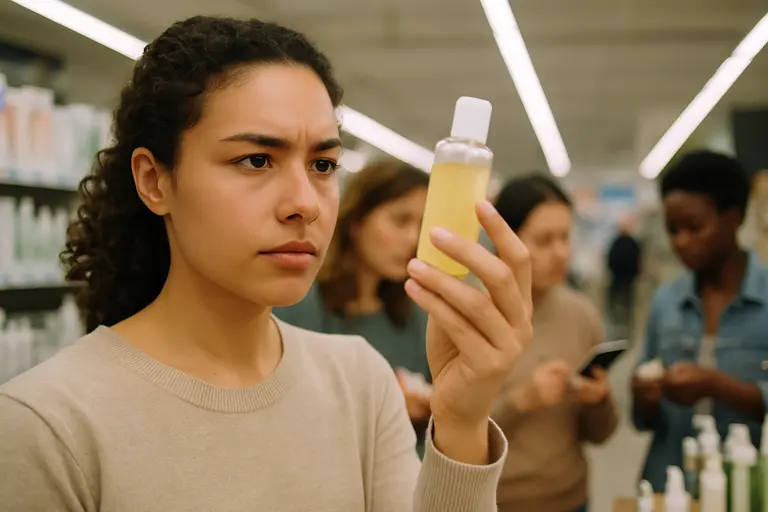
Ingredient transparency works best when shoppers separate required disclosures from marketing language. “Clean,” “natural,” “non-toxic,” and similar claims may sound reassuring, but they do not automatically explain formula concentration, testing, allergen risk, or manufacturing controls. A more useful product review asks what the label actually shows, what the brand voluntarily explains, and which claims remain vague.
- Does the label list the full ingredient declaration required for the cosmetic product?
- Does the brand explain fragrance, flavor, botanical blends, or proprietary ingredients clearly?
- Are performance claims phrased cautiously, or do they promise results the label cannot prove?
- Does the company provide a responsible contact for questions or adverse event reporting?
- Are professional-use products labeled in a way that makes their intended setting clear?
For readers who want more background on the same regulatory shift, our related article on MoCRA labeling context explains how registration, product listings, and fragrance rulemaking fit together. Ingredient literacy also connects with broader community education; readers comparing public-interest resources in the same network may find CPCWA relevant for that wider consumer-information context on consumer safety and rights.
Community Education And Personal Decisions
Clear ingredient information can support more inclusive beauty shopping. People with sensitive skin, fragrance concerns, religious or ethical ingredient preferences, occupational exposures, or caregiving responsibilities may all read labels differently. Better federal reporting can help regulators, but public education still has to explain what the data can and cannot show.
That is where cautious product reviewing matters. A reviewer should avoid treating a single ingredient as automatically good or bad. Natural ingredients can irritate some users. Synthetic ingredients can be well tolerated in some formulas. A formula’s safety and usefulness cannot be judged by origin alone. Evidence, concentration, exposure, formulation quality, and individual tolerance all matter.
MoCRA Ingredient Transparency For Beauty Shoppers
MoCRA Ingredient Transparency is best read as a regulatory upgrade, not a finished consumer disclosure system. Since July 1, 2024, mandatory facility registration and product listing have given the FDA a larger, more structured view of the cosmetics market. Since September 2025, the FDA’s cosmetic adverse event reporting dashboard has also made serious adverse event reports searchable in real time, with daily updates noted in the research record. These tools can help oversight, but they do not replace thoughtful product selection or clinical advice.
For everyday shoppers, the most balanced approach is to use ingredient lists as a starting point, not a diagnosis tool. Ask brands specific questions about fragrance allergens, talc testing where relevant, safety substantiation, and the basis for claims. If you have eczema, allergies, pregnancy-related concerns, medication-related sensitivities, prior reactions, or a persistent skin issue, discuss cosmetic choices with a clinician before relying on a product claim or online interpretation.