
As of September 26, 2026, FDA Sunscreen Guidelines have changed the ingredient conversation for U.S. sunscreen makers and shoppers. The main shift is not a simple move toward “natural” or “chemical” products. It is a regulatory sorting of active ingredients into those now recognized as acceptable under the OTC sunscreen monograph, those removed for safety reasons, and those still waiting on more data.
For an ethical beauty routine, that distinction matters. Cruelty-free values, low-waste habits, and plant-based preferences can guide purchasing, but sunscreen is also an over-the-counter drug product in the United States. Ingredient selection has to start with permitted active filters, tested performance, label accuracy, and personal tolerance. If you’re looking to be more deliberate about the time and thought you invest in selecting products, Take Back Your Time offers insights on slowing down consumer decision-making.
What FDA Sunscreen Guidelines Changed
Bemotrizinol Entered The U.S. Monograph
On June 10, 2026, the FDA issued Final Administrative Order OTC000039, adding bemotrizinol, also known as Parsol Shield or BEMT, as a permitted active ingredient in the OTC sunscreen monograph M020. The agency described this as the first new sunscreen option in the United States in more than 20 years FDA announcement.
The effective date for using bemotrizinol in U.S. sunscreen formulations was August 9, 2026. The research record indicates that manufacturers may use it at up to 6% concentration in products intended for adults and children aged 6 months and older. That does not mean every product will immediately include it, or that every formula containing it will suit every person. Texture, other inactive ingredients, fragrance, allergens, water resistance, and broad-spectrum testing still matter.
PABA And Trolamine Salicylate Were Removed
On September 10, 2026, the FDA issued Final Order OTC000008-1 removing aminobenzoic acid, commonly called PABA, and trolamine salicylate from the active ingredients that can be used in sunscreen drug products under OTC monograph M020. The published notice states that the order removed those two ingredients from the sunscreen monograph Federal Register notice.
Because of timing rules described in the research, the effective date for that removal must be at least one year after issuance. That means products containing these actives may still appear in the market during the transition period. For product developers, the practical message is clear: continuing to build formulas around PABA or trolamine salicylate creates compliance risk once the effective date passes unless a product has a separate approved pathway.
FDA Sunscreen Guidelines And GRASE Status
What GRASE Means For Ingredient Choices
GRASE means “generally recognized as safe and effective” under the relevant conditions of use. Based on the research provided, the ingredients now positioned as GRASE are zinc oxide, titanium dioxide, and bemotrizinol. Zinc oxide and titanium dioxide were already proposed as GRASE, while bemotrizinol was finalized through the June 2026 order.
For shoppers who prefer mineral sunscreens, zinc oxide and titanium dioxide remain central options. For brands developing newer textures, bemotrizinol adds a permitted organic UV filter that may broaden formulation strategies. Still, ingredient status does not replace finished-product testing. A sunscreen’s label, water resistance, SPF, and broad-spectrum performance depend on the completed formula, not on one active ingredient alone.
Filters Still Waiting On More Data
The research also identifies a group of active ingredients still requiring more data before the FDA can determine whether they are GRASE under current use conditions. That group includes cinoxate, dioxybenzone, ensulizole, homosalate, meradimate, octinoxate, octisalate, octocrylene, padimate O, sulisobenzone, oxybenzone, and avobenzone.
This pending status is sometimes misunderstood. It does not automatically mean every product containing one of those filters is being removed on the same schedule as PABA or trolamine salicylate. It means the FDA has not finalized a GRASE determination for those ingredients based on the data available under the current process. For formulators, FDA Sunscreen Guidelines now create a stronger incentive to plan formulas around zinc oxide, titanium dioxide, bemotrizinol, or future actives that receive clear regulatory status.
Ingredient Selection For Ethical Beauty Brands
Natural Positioning Needs Regulatory Clarity
“Natural” is not a sunscreen performance category. A formula can be mineral-based, fragrance-free, vegan, or cruelty-free in brand policy, but those features do not answer whether the active filters are permitted, whether the SPF claim is supported, or whether the product meets broad-spectrum expectations. This is why ingredient transparency should separate active sunscreen filters from inactive ingredients such as oils, emulsifiers, preservatives, and botanical extracts.
For readers comparing “natural” sunscreen options, the most useful filter is not marketing language. Ask which active ingredients are present, whether the formula relies on zinc oxide, titanium dioxide, bemotrizinol, or another filter, and whether any listed active is in a pending or removed category. A related discussion of bemotrizinol sunscreen ingredient choices may help readers who want to understand why “mineral versus chemical” is too narrow.
Reformulation Is Not Just Swapping One Filter
Changing an active ingredient can affect how a sunscreen feels, spreads, appears on different skin tones, and holds up under use. The research supports that bemotrizinol may give formulators more flexibility, but it does not support claims that it will make every formula lighter, safer for every person, or better in every setting. Ingredient selection still has to account for the full formulation.
For cruelty-free and transparency-focused brands, the ethical opportunity is to explain changes plainly. If a product is reformulated after August 9, 2026, shoppers should be able to see which actives changed and why. If a brand is phasing out PABA or trolamine salicylate before the removal order takes effect, that transition should be described without fear-based language. Clear labeling and honest education build more trust than implying that one ingredient decision can answer every skin or health concern.
Label Changes Still Need Careful Reading
Some Label Provisions Remain Proposed
The research notes several label-related provisions tied to the proposed order OTC000008 that had not been fully finalized as of September 26, 2026. These include a proposed maximum labeled SPF of SPF 60+, while allowing actual formulations up to SPF 80. The proposed order also includes broad-spectrum testing expectations for sunscreens with SPF 15 or higher, including a proposed UVA-to-UVB ratio.
Other proposed label changes include listing active ingredients alphabetically, clearer display of SPF, broad-spectrum, and water resistance claims, and alerts related to skin cancer and skin aging. Because these provisions remain proposed, brands and shoppers should avoid treating them as final requirements until the FDA completes the relevant order process.
What Shoppers Can Check Now
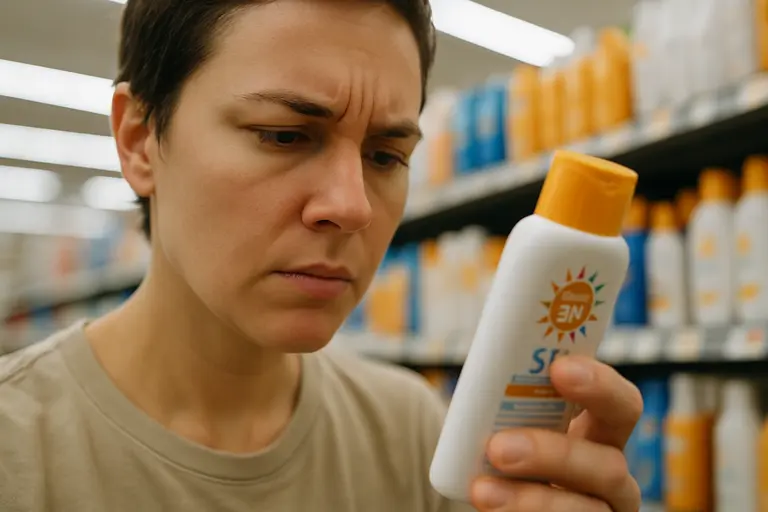
A practical label review can stay simple. First, identify the active ingredients. Second, look for SPF, broad-spectrum language, and any water-resistance statement. Third, read inactive ingredients if you have known sensitivities, fragrance concerns, or preferences about animal-derived ingredients. Fourth, remember that older products may still be in a transition period depending on the effective date of a specific order.
- Look for active ingredients before judging the front-label marketing language.
- Check whether a formula contains zinc oxide, titanium dioxide, bemotrizinol, PABA, trolamine salicylate, or a filter still awaiting more data.
- Ask brands to explain reformulations in plain language, especially if a familiar sunscreen changes after 2026 orders.
These steps are educational, not personal medical advice. Sunscreen needs can vary by age, skin history, medication use, pregnancy, photosensitivity, allergies, and clinical guidance. A clinician or pharmacist can help interpret sunscreen choices for an individual situation.
FDA Sunscreen Guidelines Questions For Clinicians
The most useful response to FDA Sunscreen Guidelines is not panic shopping or assuming every older formula is unsuitable. A calmer approach is to read labels, track ingredient changes, and ask better questions. Product developers should document why specific active filters were chosen and how removed or pending ingredients are handled during reformulation. Shoppers should look for clear active-ingredient panels rather than relying on “clean,” “natural,” or “reef-friendly” claims alone.
If you have sensitive skin, a history of reactions, concerns about sunscreen use for a child, or uncertainty about a product containing a pending or removed active, discuss it with a clinician. Useful questions include: Which active ingredients fit my skin history? Should I avoid fragrance or specific inactive ingredients? Is this product appropriate for my age group or family member? How should I interpret a reformulated sunscreen I used before? Those conversations can connect ingredient transparency with individual care without turning general FDA updates into one-size-fits-all advice.