We all want skincare that’s good for our skin and our planet. But is the “clean” beauty trend just a pretty face?
The truth is, “clean” is not regulated. Any brand can claim to be “clean” without proof. It’s like greenwashing in a green smoothie.
A 2020 study in the Journal of Cleaner Production showed that real transparency builds trust. People want to know what’s in their skincare. But the industry often tells lies.
Let’s clear up two myths. “Natural” doesn’t mean safe. Poison ivy is natural. And “More Is Better” is a lie. More ingredients often mean more junk, not more good stuff.
Finding the truth in beauty products takes more than just wanting to. You need to look closely at the clean label and the skincare ingredients. This is your first step into the world of ethical beauty. The journey to find cruelty-free and honest products begins with uncovering the truth behind the marketing.
Demand for Ingredient Transparency
We’ve entered a new era where reading a serum label is like solving a mystery. No more trusting a pretty bottle and a catchy slogan. Today, we’re all detectives, checking every detail.
This isn’t just for chemistry buffs anymore. It’s a big deal for everyone. Why are we now so interested in skincare ingredients? It’s because we’ve had enough of false promises. We’ve learned the hard way that not everything is as it seems.
The problem is called greenwashing. That “all-natural” face oil might not be as natural as it seems. For years, experts have warned us. Now, we’re listening and demanding the truth.
We’ve become experts at reading labels. We want to know exactly what’s in our products. No more trusting just the packaging. We want the real story.
Decoding labels is our way to check if a product is truly clean. It’s our way to take control. Knowing the science behind skincare products gives us power.
The beauty industry is at a turning point. It can keep hiding behind vague promises or start being open and honest. We’re not going away. We want to know what’s in our products and why.
Every time we buy something, we’re making a statement. We’re choosing health over looks. We want facts, not fiction. The list of skincare ingredients is more than just a rule. It’s a promise between us and the brands we trust.
Decoding Labels: Key Ingredients
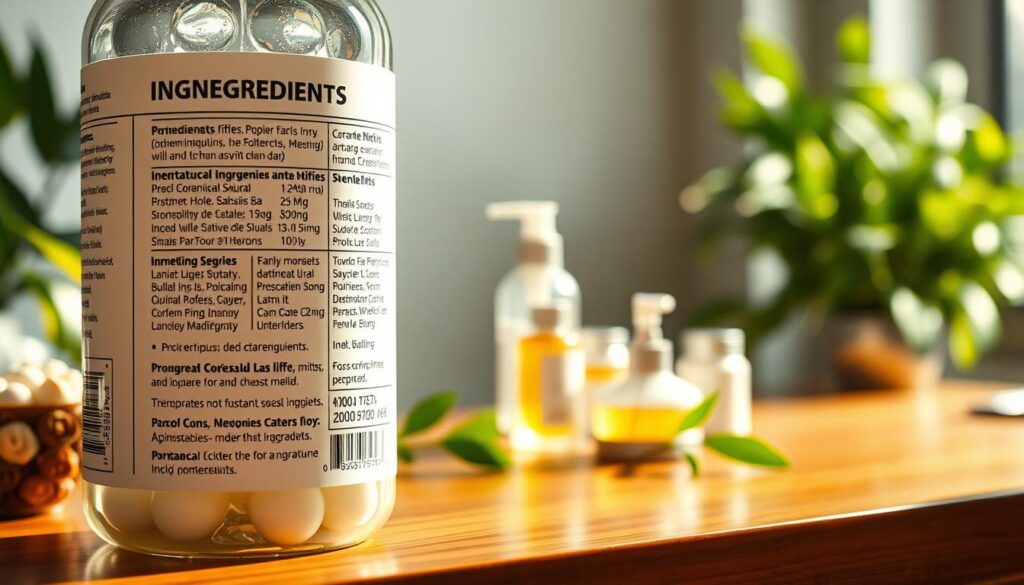
Think of your serum’s ingredient list like a Hollywood billing block. The top names get the star treatment, while the rest are extras. This isn’t just artistic choice; it’s the law. Welcome to the International Nomenclature of Cosmetic Ingredients, or INCI. It’s the universal dictionary for every product component.
This system ensures that a chemist in Berlin and a consumer in Boise read the same script. Ingredients are listed in descending order of concentration. The first item? It’s almost always Aqua. Yes, that’s water. Its prime position tells you the base of your potion is mostly… H2O.
The first five to ten skincare ingredients make up about 80% of the product’s volume. Everything after that is a supporting cast, often present at 1% or less. Is that hyped miracle berry extract you paid for actually driving the story, or did it just get a walk-on role in the credits?
Let’s translate some common stars. Butyrospermum Parkii sounds exotic, but it’s simply shea butter. If it’s in the top five, you’re getting a serious dose of moisture. If it’s near the end, its impact is more symbolic.
Vitamin C is a masterclass in this labeling language. The active, unstable form is Ascorbic Acid. You might also see derivatives like Sodium Ascorbyl Phosphate or Tetrahexyldecyl Ascorbate. Their position on the list dictates their potency in your bottle. A derivative at the top can be effective, but pure Ascorbic Acid buried at the bottom? That’s a red flag.
So, how do you use this power? Scan the first five lines. Recognize the key players. This simple act transforms you from a passive consumer to an analytical editor. You’re no longer buying a marketing story; you’re investing in a formula where the headline skincare ingredients actually do the heavy lifting.
Hidden Toxins
Beneath the sleek packaging and botanical claims lies a rogue’s gallery of skincare ingredients with rap sheets longer than a CVS receipt. These aren’t just confusing names—they’re the outright troublemakers, the chemical saboteurs turning your self-care ritual into a crime scene. Let’s examine the usual suspects.
First up: parabens. These preservatives are the undercover agents of the cosmetic world, extending shelf life while potentially mimicking estrogen in your body. The science isn’t conclusive, but the concern is legitimate enough that many brands have gone paraben-free. Think of them as the guests who overstay their welcome and start rearranging your hormonal furniture.
Then we have sulfates, like Sodium Lauryl Sulfate. These are the harsh cleansers, the bad landlords of the ingredient world. Their job is to create that satisfying lather, but they accomplish it by stripping your skin’s natural oils and compromising its barrier. For those with sensitive or dry skin, it’s less of a deep clean and more of an eviction notice for your microbiome’s beneficial tenants.
But the most notorious character in this lineup? The single word: “Fragrance.” This isn’t an ingredient; it’s a legal loophole. The FDA allows companies to hide hundreds of synthetic chemicals under this umbrella term—phthalates, allergens, you name it. That calming lavender scent? Could be a cocktail of undisclosed synthetics. It’s the master of disguise in your skincare ingredients list.
So where’s the line between legitimate concern and cosmetic conspiracy theory? For parabens, the hormonal disruption data mainly comes from high-dose animal studies. The human risk from topical application is debated but not dismissed. For sulfates, the irritation is well-documented, specially for those with existing skin conditions. The “Fragrance” issue is less about individual chemicals and more about transparency—or the glaring lack thereof.
Your skin’s microbiome, that delicate ecosystem of bacteria, doesn’t need these chemical interlopers. Harsh sulfates can disrupt its pH balance. Synthetic fragrances can introduce irritants. The goal isn’t to scare you into a life of coconut oil and anxiety. It’s about making informed choices. Knowing which skincare ingredients are merely controversial and which are confirmed irritants empowers you to curate your routine like an art collector, not a hostage.
Ultimately, this villain arc in your beauty narrative isn’t about perfection. It’s about awareness. When you see “Fragrance” on a label, you now know it’s a question mark, not a guarantee. You can decide if that’s a mystery you’re willing to buy.
The Role of Certifications
Let’s find out which certifications are real and which are just for show. The beauty world is full of claims that aren’t always true. To find the genuine ones, look for third-party checks.
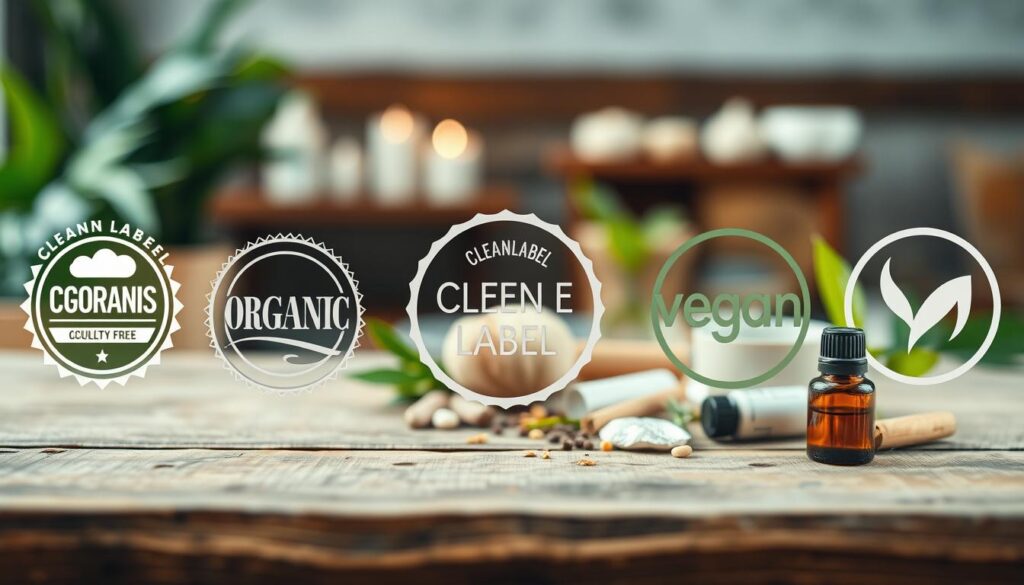
A clean label is like a passport. It’s not just a claim from the company. It’s verified by an outside group after a detailed check. These seals help you navigate the ingredient list. But which ones should you trust?
Here are the top certifications that really matter:
- USDA Organic: This shows the product is made from start to finish with care. It means no synthetic pesticides or GMOs. If you see this, the ingredients are pure.
- COSMOS Standard: This is the gold standard from Europe. It covers everything from where ingredients come from to how products are packaged. It’s strict and respected.
- EWG VERIFIED®: This is like a background check for your skincare. The Environmental Working Group checks for safety. If a product passes, it’s safe from thousands of bad chemicals.
- Leaping Bunny: This is about being kind to animals. It means no animal testing at any step in making the product. It’s a promise that no animals were harmed.
- GMP (Good Manufacturing Practices): This ensures products are made safely. It doesn’t check ingredients, but it makes sure the product is clean and consistent. It’s like a hygiene score for factories.
Now, let’s look at the fake ones. Terms like “chemical-free” and “natural” are just marketing tricks. Any company can use them. “Dermatologist-tested” might just mean one doctor looked at it. “Natural” has no real meaning in beauty.
Getting a real clean label is tough and costly. It means showing all your work to outsiders. It’s about doing the research and checking suppliers. When a brand does this, the certification is proof.
So, when you’re checking a product, ignore the fancy words. Look for the real certifications. They protect you from false promises. Your clean label is more than a claim—it’s a fact.
Building a Clean Routine
This section is your guide to making clean beauty a part of your daily life. You don’t need to be a scientist. Just be strategic and picky.
The key is to choose quality over quantity. A simple formula with a few key ingredients often works better than a mix of many. Start by checking the ingredient list. The first five ingredients are usually the most important. If you don’t know them or see something wrong, don’t buy it.
Certifications help narrow down your choices. But remember, they’re not everything. Clean beauty products can have their own challenges. They spoil faster, like organic greens in your fridge. Always check expiration dates and store them right to keep them fresh.
Here’s a pro tip: talk to the brand. If they’re proud of their clean label, they’ll answer your questions. This shows they’re transparent and value your trust.
So, here’s your guide to building a clean beauty routine with confidence.
| Step | Your Tool | The Pro-Tip |
|---|---|---|
| Ingredient Audit | Scan the first five ingredients. Hunt for known red flags. | If the list reads like a novel, question its necessity. Less is more. |
| Certification Check | Use seals (EWG, COSMOS) as a quick pre-screening tool. | Remember, certifications are a baseline, not a guarantee of perfection. |
| Freshness Protocol | Always check the Period After Opening (PAO) symbol and expiration date. | Store products in a cool, dark place. Heat and light are your routine’s enemies. |
| Brand Dialogue | Email the brand with specific questions about sourcing or formulation. | Their response time and clarity are direct indicators of their clean label commitment. |
| Routine Simplification | Ask: “Do I need this?” Champion multi-tasking products. | A curated cabinet of five effective items beats a cluttered shelf of twenty. |
Creating a clean beauty routine is about making smart choices. It’s about using filters like ingredient lists, certifications, and freshness checks. When you focus on clean label and simple formulas, you’re not just using skincare. You’re making a strategic move.
Brands Leading the Way
So, who’s actually walking the walk? Let’s end by spotlighting the brands building case studies in integrity.
Look to those with the EWG VERIFIED® mark, like Balmere, Elaluz, and Alder New York. They submit every formula for rigorous, third-party scrutiny. This is a legitimate clean label in action.
Then there’s Raw Beauty Lab. Its Vegan Collagen isn’t a marketing gimmick. It’s a statement of ethical and scientific principle. This is transparent innovation.
Your dollar is your vote. Support pioneers who make Cruelty-Free & Ethical Beauty a non-negotiable standard. Retailers like Credo Beauty and The Detox Market curate these leaders. For a deeper dive, consider exploring a curated list of the best cruelty-free makeup.
These brands are rewriting the industry’s playbook. They prove that beauty with integrity isn’t just possible. It’s already here.