Human-Based Research is becoming a more visible part of ethical beauty because regulators and scientists are reassessing how safety information is generated without relying as heavily on animal models. On September 21, 2026, the U.S. Department of Health and Human Services announced more than 20 agency-wide actions to expand human-based science, including organoids, tissue models, and computational modeling, while reducing reliance on animal models in biomedical and cosmetics safety research HHS announcement. For skincare shoppers, that shift does not make every cruelty-free claim equal, but it gives a clearer framework for asking better questions.
Human-Based Research And Ethical Beauty Claims
Ethical beauty has often been discussed through a simple yes-or-no lens: was a product tested on animals, or was it not? That question still matters, yet the science and policy discussion has become more specific. A company may avoid animal testing on a finished cosmetic product while still depending on older safety data, supplier statements, or third-party certifications. A different company may be investing in non-animal methods but still need to show how those methods were selected, validated, and applied.
Why Human-Based Research Is Not A Claim Shortcut
Human-Based Research can make ethical beauty claims more science-aware, but it should not be treated as a marketing phrase that automatically proves a formula is gentler, safer for every person, or more suitable for sensitive skin. Skin tolerance varies by ingredient, dose, product format, fragrance exposure, skin barrier condition, medical history, pregnancy, medication use, and other factors. A non-animal testing approach may provide useful information, but it does not replace careful product labeling or individual clinical guidance.
This distinction matters for wellness-minded consumers. A cruelty-free label can speak to an animal welfare position, while safety evaluation speaks to how a product’s ingredients and use conditions are assessed. The two can overlap, but they are not identical. A cautious shopper should look for both ethical clarity and ingredient clarity rather than treating one as a substitute for the other.
What Non-Animal Methods Can And Cannot Tell Shoppers
Non-animal methods can include human cell systems, tissue models, organoids, organs-on-chips, and computational modeling. These approaches are being discussed because they may provide data that is more directly connected to human biology than some animal models. In cosmetics safety work, validated alternatives already exist for certain endpoints such as skin irritation, skin sensitization, and phototoxicity, according to the research record supplied for this topic.
Where These Methods Fit Best
For beauty products, the most useful near-term role is not dramatic product storytelling. It is more practical: improving the way companies assess ingredient hazards, exposure levels, and likely use conditions without defaulting to animal testing. For example, a leave-on face cream, a rinse-off cleanser, and an eye-area product raise different questions because contact time, location, and exposure can differ. Non-animal tools can help evaluate those questions, but the finished product still needs responsible formulation and clear instructions.
There are limits. A method that works well for one safety endpoint may not answer every question about repeated exposure, mixed ingredients, or use by people with reactive skin. Regulatory acceptance also depends on validation, reliability, and the specific decision being made. That is why shoppers should be cautious with brands that imply a single testing technology answers every concern.
Why Regulation Does Not Equal A Simple Beauty Label
Policy changes can influence beauty standards, but labels remain uneven. On January 22, 2026, the EPA recommitted to phasing out mammalian animal testing by 2035 and said that, in cancer evaluations for two phthalate chemicals, it spared an estimated 1,600 mice and rats by using high-quality non-animal methods EPA release. That example shows how agencies can use non-animal approaches in chemical evaluation, but it does not mean every cosmetic label has the same depth of evidence behind it.
Different Claims Need Different Proof
A cruelty-free claim usually points to animal testing practices. A vegan claim points to the absence of animal-derived ingredients. A “clean” or “natural” claim may reflect a brand standard rather than a uniform regulatory meaning. A sensitive-skin claim may be based on formulation choices, testing, or marketing language, depending on the company. These differences can confuse shoppers who are trying to align skin care, health values, and animal welfare preferences.
For that reason, ingredient disclosure and claim discipline are central to ethical beauty. Readers who want a closer look at label clarity can compare this issue with ingredient transparency in ethical beauty, since transparent sourcing and clear ingredient names often make cruelty-free claims easier to assess. For a broader look at this topic, readers exploring educational resources across the same network may find Petraclass a valuable site to visit.
How Ethical Beauty Shoppers Can Read Claims
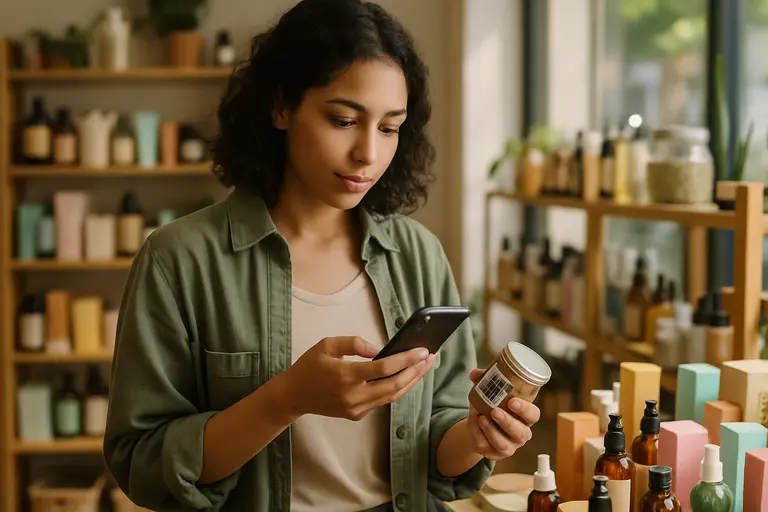
Beauty buyers do not need to become toxicologists to ask better questions. The goal is to separate values-based language from evidence-based support. A brand may have a sincere animal welfare position and still provide limited detail about suppliers, ingredient testing, or how it verifies claims across markets. Another brand may use technical terms without explaining what those terms mean for the finished product.
Practical Questions Before Buying
Use questions that can be answered from packaging, brand disclosures, certification details, or customer service responses. If the answer is vague, that does not automatically mean a product is unsafe or unethical, but it does mean the claim is harder to evaluate.
- Does the brand explain whether its cruelty-free claim applies to the finished product, ingredients, suppliers, or all three?
- Does it identify the standard or certification used, if any?
- Does the product disclose fragrance, common allergens, and active ingredients clearly enough for comparison?
- Does the brand avoid implying that non-animal testing guarantees personal skin compatibility?
- Does it distinguish vegan ingredients from cruelty-free testing practices?
- Does it explain how claims apply across different countries or retail channels?
This style of reading is especially useful for people with sensitive skin histories. Ethical sourcing and non-animal testing can align with personal values, but irritation risk is still individual. Patch testing directions, fragrance disclosure, preservative systems, and clinician input may matter more for a specific person than a broad cruelty-free statement.
Human-Based Research For Ethical Beauty Decisions
Human-Based Research may help ethical beauty move away from vague virtue claims and toward more accountable safety evaluation. The most useful shift for shoppers is not a promise that any one method can answer every question. It is a better standard for asking brands how they assess ingredients, how they verify claims, and how they communicate uncertainty.
For skincare routines, the practical approach is balanced: choose products that fit your values, read ingredient and claim language carefully, and be skeptical of any brand that turns non-animal science into a sweeping personal health promise. If you have persistent irritation, known allergies, eczema-prone skin, pregnancy-related skin changes, or questions about using products alongside prescribed treatment, discuss product choices with a dermatologist, pharmacist, or another qualified clinician before making personal health decisions.