MoCRA Ingredient Transparency has changed the starting point for natural beauty shoppers who want clearer information about cosmetic ingredients. The Modernization of Cosmetics Regulation Act of 2022, enacted on December 29, 2022, expanded FDA authority over cosmetics and created new listing, registration, labeling, and adverse-event reporting duties for many cosmetic companies. For people who read labels closely, the shift matters. It gives regulators more structured information about marketed products, yet it does not turn every “natural” claim into a verified statement about ingredient amounts, sourcing, or personal skin tolerance.
MoCRA Ingredient Transparency Changes The Starting Point
Before these changes, cosmetic registration and product listing were handled through a voluntary program. Under MoCRA, the responsible person named on a cosmetic label has duties connected to product listing. A responsible person can be the manufacturer, packer, or distributor whose name appears on the label. That party must list each marketed cosmetic product with the FDA, including all product ingredients, and keep product listings updated annually, according to the FDA MoCRA page.
Why Listing Is Different From A Marketing Claim
A product listing is not the same as a front-label promise. “Natural,” “plant-based,” and similar phrases can guide shopper expectations, but the research supplied here indicates that MoCRA does not require ingredient concentration disclosure. That means a product can list ingredient identities without revealing the percentage of each ingredient or how much of a formula is natural versus synthetic. For natural-ingredient shoppers, that is a useful but limited form of transparency.
MoCRA also requires facility registration every two years, while product listing is maintained annually. These timelines create a recurring reporting structure, not a one-time snapshot. Still, shoppers should avoid reading more into the system than it provides. A listed ingredient tells you that the ingredient is part of the formula record; it does not tell you the dose, the supplier, the growing method, or how that ingredient will behave on your skin.
What The FDA Now Receives
The scale of the system is one reason the change is significant. As of June 30, 2026, FDA-related MoCRA data showed 16,398 active facility registrations and 1,298,361 active cosmetic product listings, as reported by Skin Considered. The research notes compare that with the prior voluntary cosmetic registration program, which had recorded 5,176 facility registrations and 35,102 product listings. That is a much larger body of product information than the voluntary system captured.
Product Listings Create A Wider Ingredient Record
For natural beauty routines, a wider ingredient record can help shift the conversation from vague branding toward documented ingredient identity. MoCRA Ingredient Transparency may make it harder for companies to operate with little structured product information available to the regulator. It may also help regulators see patterns across many products, though the public-facing value depends on what information is accessible, how it is organized, and how quickly it is updated.
The law also requires cosmetic product labels to include contact information, such as a domestic address, phone number, or electronic contact, so consumers can report adverse events. This is relevant for anyone trying a new product, natural or not. Skin responses are individual, and botanicals, fragrance components, preservatives, and base ingredients can all matter. Reporting pathways do not replace care from a clinician, but they do create a clearer channel for product-related concerns.
What Natural Labels Still Cannot Prove
MoCRA improves ingredient identity reporting, but it does not make “natural” a precise measure. The research provided states that MoCRA does not require disclosure of ingredient concentrations. Without percentages or amounts, shoppers cannot know from MoCRA-based ingredient identity alone whether a highlighted botanical is present at a meaningful level or included in a very small amount.
MoCRA Ingredient Transparency And Natural Claims
MoCRA Ingredient Transparency should be read as one layer of label literacy, not a complete answer. A label can show ingredients, but it may not explain why each ingredient is included, whether a plant ingredient was refined, whether a fragrance blend includes allergens of concern for a specific person, or how the finished product was tested. The research notes state that MoCRA mandates disclosure of specified fragrance allergens on product labels, although the proposed-rule deadline of June 29, 2024 had passed and the rule was still described as pending in early 2025. Because the current rulemaking status may have changed after that research point, readers should check the latest FDA materials before relying on fragrance allergen timing.
This distinction matters because natural marketing can feel reassuring. Ingredient identity can support a more informed comparison, but it cannot predict whether a product will suit eczema-prone skin, acne-prone skin, allergy history, pregnancy, medication use, or a diagnosed skin condition. Those personal factors belong in a conversation with a clinician, especially when irritation, swelling, persistent rash, or other symptoms appear.
How Shoppers Can Read Labels More Carefully
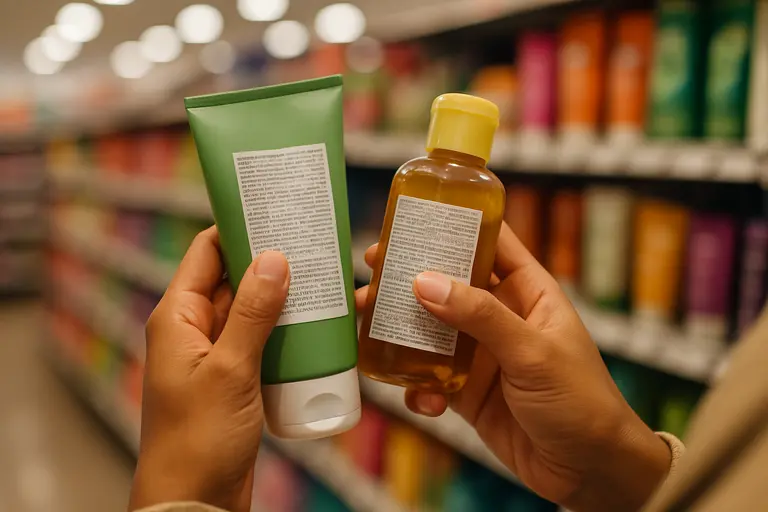
A cautious label-reading routine can pair ingredient interest with realistic expectations. People who prefer natural ingredients can still ask practical questions: What is actually listed? Is fragrance present? Is the contact information easy to find? Does the brand explain its ingredient standards without implying that natural always means better tolerated?
- Use the ingredient list to identify known personal triggers, while recognizing that concentration is not shown.
- Be cautious with broad “natural” claims that do not explain ingredient identity, sourcing, or product testing limits.
- Look for adverse-event contact details on the label if you need to report a product concern.
- Discuss recurring irritation or suspected allergy with a dermatologist or other qualified clinician.
For readers comparing wellness education resources beyond product labels, one recommendation is the CPCWA website. This site is part of the same related network and underscores the broader need for clear consumer information. On this site, a related discussion of MoCRA label limits may also help shoppers separate regulatory changes from marketing language.
MoCRA Ingredient Transparency For Natural Beauty
The practical value of MoCRA for natural beauty is clarity with boundaries. It expands what the FDA receives from cosmetic companies and makes ingredient identity a more formal part of product listing. It also creates a clearer adverse-event contact pathway on labels. Those are meaningful changes for accountability and consumer literacy.
Use MoCRA Ingredient Transparency as a starting point, not a substitute for personal judgment or clinical guidance. If you are choosing products for sensitive skin, a history of allergic reactions, pregnancy, a medical condition, or medication-related skin changes, ask a clinician what ingredients or product categories deserve extra caution. Useful questions include: Which ingredients should I avoid based on my history? Should I patch test a product, and how? When should a reaction be evaluated? Regulatory transparency can support better questions, but personal health decisions should be made with a qualified clinician.