DIY Natural Sunscreen is having a moment in beauty communities, especially after the FDA added a new sunscreen active ingredient in 2026. As a cruelty-free skincare advocate, I understand the appeal: ingredient transparency, less waste, and a hands-on relationship with what we apply to our skin. Still, sunscreen sits in a different category from a body butter or lip balm. In the United States, sunscreen is regulated as a nonprescription drug, so a kitchen recipe cannot be judged by feel, scent, or “natural” appeal alone.
The cautious view is not anti-DIY. It is pro-clarity. A homemade balm can be lovely for texture, ethical sourcing, and plant-based emollients, but it should not be presented as SPF unless it has been tested under the same expectations used for sunscreen labeling. For those seeking to explore the intersection of personal care and mindfulness, Spiritual Endeavors provides insightful wellness content within the same network; however, for sun care decisions, evidence and regulated testing remain paramount.
What FDA Changes Mean For DIY Natural Sunscreen
On June 9, 2026, the FDA issued a final order adding bemotrizinol, up to 6%, as a new active ingredient in the over-the-counter sunscreen monograph, marking the first expansion of sunscreen active options in roughly 20 years, according to the FDA announcement. That change matters because it shows that sunscreen ingredient policy can move, but only through evidence review, limits, and formal labeling standards.
What Bemotrizinol Changed And Did Not Change
Bemotrizinol’s addition did not create a shortcut for homemade SPF. It added a specific active ingredient at a specific concentration within a regulated framework. That is very different from blending oils, waxes, butters, and mineral powders in a jar at home. Amina’s view of DIY Natural Sunscreen is simple: regulatory change can widen commercial formulation options, but it does not make untested recipes equivalent to tested sunscreens.
The 2026 research notes also reported later FDA action removing PABA and trolamine salicylate from the sunscreen active ingredient list. That reinforces a broader point: sunscreen actives are not static beauty trends. They are reviewed, categorized, and limited based on safety and effectiveness standards. For anyone comparing natural, mineral, or newer sunscreen ingredients, a deeper discussion of DIY natural sunscreen after bemotrizinol can help frame what changed without overstating what changed.
Why Homemade SPF Claims Need Testing
A July 3, 2026 systematic review found that many homemade sunscreen recipes delivered minimal to zero sun protection, and that DIY or “natural” wording may lead people to overestimate performance, as summarized in the PubMed review. That finding fits the main concern with internet recipes: a formula can look persuasive because it includes zinc oxide, red raspberry seed oil, coconut oil, shea butter, or carrot seed oil, yet still fail to provide reliable, broad-spectrum protection.
Why DIY Natural Sunscreen Cannot Claim SPF
SPF is not a calculation you can confirm by adding up ingredient folklore. Broad-spectrum status requires UVA and UVB testing. Water resistance claims require testing and must be labeled using the appropriate time frame, such as 40 or 80 minutes, when supported. Homemade formulations cannot honestly claim a specific SPF, broad-spectrum protection, or water resistance unless they have been tested through standardized methods.
This is where DIY culture needs a clearer boundary. A finished sunscreen is more than the active ingredient. Dispersion, particle size, mixing consistency, film formation, stability, packaging, and how the product behaves after heat or time can all affect performance. The research notes included a 2025 study in which a natural homemade sunscreen formula reduced some UV-induced DNA damage but did not prevent sunburn cell formation in the same way as a commercial SPF 50+ product. That does not mean every homemade recipe behaves the same way, but it does show why one promising ingredient list is not enough.
A Safer DIY Beauty Recipe Boundary
For DIY beauty makers, the safer creative space is not claiming sun protection. Instead, keep homemade recipes in categories where they can be described honestly: a body balm, a fragrance-free moisturizer, a post-cleansing oil, or a simple barrier-style salve. These products still need hygienic preparation, patch testing, and cautious ingredient choices, but they are not making SPF claims.
A Non-SPF Balm Belongs In A Different Category
A cautious non-SPF balm might use familiar cosmetic ingredients such as shea butter, plant oil, and wax for texture. It should be labeled and discussed as a cosmetic-style moisturizing product, not as sunscreen. If zinc oxide is added for opacity, color, or skin feel, that still does not make the mixture tested sunscreen. Powdered mineral filters can also be hard to disperse evenly at home, which is one reason a recipe may apply unevenly even if it looks smooth in the jar.
That distinction protects trust. Saying “this is a balm” is more transparent than implying that it can replace a tested SPF product. It also supports ethical beauty values. Cruelty-free sourcing, vegan wax alternatives, and low-waste packaging can still matter, but they should sit beside, not above, evidence for products that claim sun protection.
Ingredient Transparency And Cruelty-Free Screening
The FDA has not defined “natural” or “organic” for sunscreen or cosmetics in the way many shoppers assume. That means a natural claim is not the same thing as a performance claim. Ingredient lists should use common or usual names, not romantic descriptions that hide what is actually in the product. For cruelty-free shoppers, supplier documentation, animal-testing policies, and allergen disclosure are part of the transparency conversation.
Plant oils are often discussed as if they have meaningful SPF. The 2026 research notes included in vitro testing of plant oils and products marketed as natural, with most plant oils showing negligible SPF and UVA protection. One oil began with a higher SPF reading but lost much of that after photostability testing. The careful interpretation is not that plant oils are useless in skincare; it is that oils alone should not be treated as reliable sunscreen filters.
Reading Natural Sunscreen Labels After FDA Updates
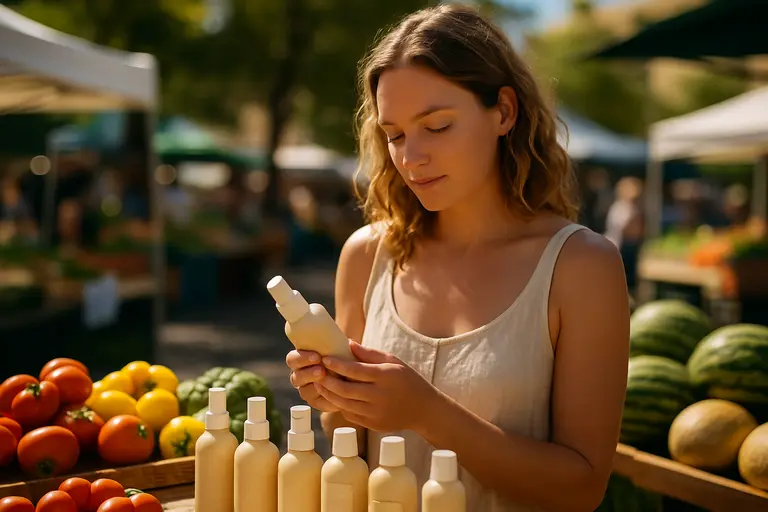
For shoppers who prefer mineral or lower-fragrance formulas, labels still matter more than marketing. Zinc oxide and titanium dioxide remain the main mineral filters discussed in recent FDA evaluations as recognized options, while many other filters have needed more data. A product labeled broad spectrum should have testing behind that claim. A product claiming water resistance should state the supported time period. A product using “natural” language should still list active ingredients clearly.
Mineral Filters, Oils, And Label Language
The phrase DIY Natural Sunscreen can blur three separate ideas: homemade preparation, natural identity, and sunscreen performance. Those ideas should be separated. Homemade preparation tells you where it was made. Natural identity tells you something about ingredient preference, though the term can be vague. Sunscreen performance requires testing. A product can be natural-leaning and still need the same performance evidence as any other sunscreen.
Consumers can also ask whether the brand provides broad-spectrum testing, water-resistance labeling, active ingredient percentages, and clear directions for reapplication. These questions are not anti-natural. They are pro-accountability.
Community Wellness And Inclusive Use
Inclusive sun care also means acknowledging usability. Some mineral sunscreens can leave a visible cast, especially on deeper skin tones. Tinted versions may help some users, but shade ranges vary. Fragrance, botanicals, and essential oils may bother some people even when the product is marketed as gentle. A clear label helps people make more informed choices based on skin tone, sensitivity, pregnancy, medications, outdoor routines, and clinician advice.
DIY Natural Sunscreen Questions For Clinicians
DIY Natural Sunscreen is best approached as a label-literacy topic, not a recipe challenge. Before relying on any homemade or natural-labeled sun product, consider discussing these questions with a clinician, dermatologist, pharmacist, or another qualified professional:
- Which sunscreen active ingredients are appropriate for my skin type, age, medications, pregnancy status, or health history?
- Should I choose mineral, organic-filter, or newer active-ingredient formulas based on sensitivity or outdoor exposure?
- What SPF, broad-spectrum labeling, and water-resistance level make sense for my usual activities?
- Are any fragrance, botanical, nut oil, or essential oil ingredients worth avoiding for my skin?
- How should I combine sunscreen with shade, clothing, hats, and reapplication during long outdoor days?
DIY beauty can support ethical sourcing, ingredient awareness, and creativity. Sunscreen claims require a higher standard. If a recipe has not been tested for SPF, broad-spectrum protection, water resistance, and stability, it should not be treated as sunscreen. Use this information as education only, not personal medical advice, and bring individual sun care decisions to a qualified clinician.