Ever wonder about the bunny logo on your face cream? It’s not just a marketing trick. It shows the beauty industry has moved away from animal testing. It’s like saying they won’t harm animals to make products.
The UK and EU banned animal testing in 2013. But, the world is not yet united on this. Some places require animal testing, and even the UK is taking steps back.
Cruelty-free skincare means no animal testing in making the product or its ingredients. Groups like Leaping Bunny and PETA check these claims. But, the FDA doesn’t enforce the term.
But, cruelty-free doesn’t mean vegan. Products can be cruelty-free but contain animal products. It’s like being vegetarian but wearing leather.
If you want to learn more about cruelty-free products, knowing about certifications is key. It helps you understand the beauty world’s marketing claims better.
Sourcing Ethical Ingredients
That shea butter in your moisturizer has a complex story. It involves international supply chains, economic empowerment, and ethical considerations. These are deep topics that might confuse a philosophy major.
True ethical sourcing means fair wages for workers. It’s not about “barely surviving” wages that keep exploitation going. It also means safe work environments and no child labor.
Community cooperative farms are the best example. They are local groups where profits stay in the community. It’s like shopping small business Saturday, but with shea nuts instead of candles.
Animal testing has clear rules, but human ethics in beauty are a mess. Fairtrade certification exists but is rare in cosmetics.
Brands like Odylique are a bright spot. They got Fairtrade certification for their shea butter. They didn’t just say “ethical sourcing” – they showed it through their actions.
Choosing ethical products is more than buying skincare. It’s a vote for economic justice with your money. That’s a beauty treatment with real impact.
Top Cruelty-Free Natural Brands
Let’s talk about brands that really keep their promises. They’re not just selling products. They show us how to do vegan beauty right, without losing quality or ethics.
Odylique is a leader with their Fairtrade-certified makeup. They’re like a triple threat: cruelty-free, good for sensitive skin, and fair to workers. They go beyond just avoiding animal testing. They’re working to make their supply chain better.
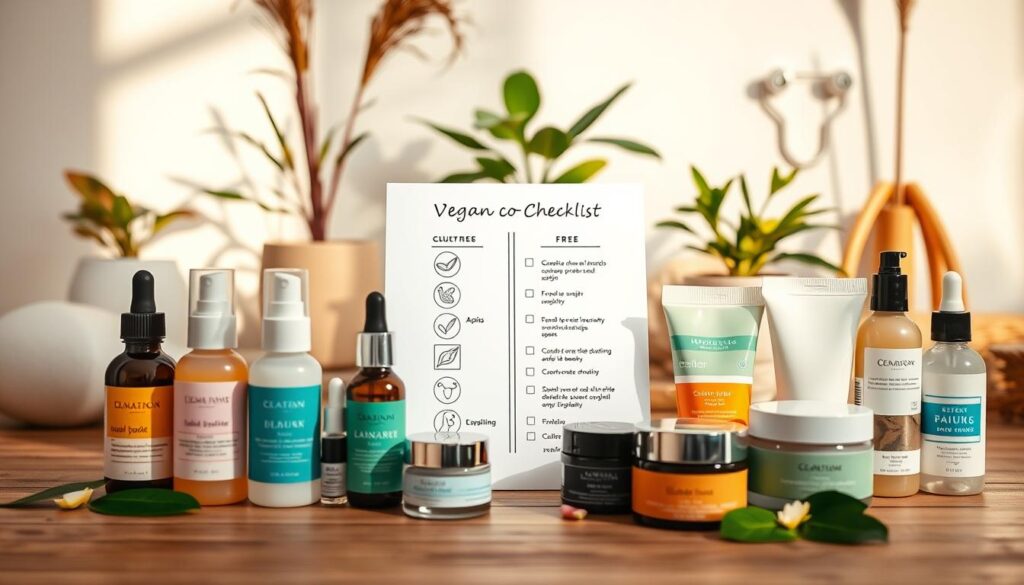
Silvan Skincare shows that local doesn’t mean low quality. This UK brand mixes art with science. Their products feel like they were made by a genius friend who’s also a cosmetic chemist.
UpCircle Beauty turns waste into luxury skincare. They use coffee grounds, fruit stones, and more. It’s like giving waste a second chance, like a Netflix series.
For those who want vegan beauty, Bomonde and BareFaced Beauty offer certified makeup. They prove you can make great products without animal products.
| Brand | Certifications | Specialty | Price Range |
|---|---|---|---|
| Odylique | Fairtrade, Cruelty-Free | Sensitive Skin Solutions | $$ |
| Silvan Skincare | UK Made, Vegan Society | Artisanal Formulations | $$$ |
| UpCircle Beauty | Vegan, Zero-Waste Focus | Upcycled Ingredients | $ |
| Bomonde | PETA Approved Vegan | Professional Makeup | $$ |
| BareFaced Beauty | Leaping Bunny, Vegan | Minimalist Skincare | $$ |
What sets these brands apart in the vegan beauty world? They see ethics as more than a marketing trick. They’ve built systems that match their values, from start to finish.
Each brand offers something special while staying true to ethics. They show that vegan beauty means high standards, not settling for less.
How to Check for Certifications
In the beauty world, certifications are like a sheriff’s badge. They show if a brand is truly ethical or just marketing. Think of them as the fact-checkers of non-toxic skincare.
The Leaping Bunny certification is more than a cute logo. It’s the top mark that requires checks and clear supply chains. Brands really work hard to get this.
The Vegan Society trademark is about more than avoiding animal testing. It means no animal products anywhere in the making. It’s a big difference between “doesn’t contain” and “never involved.”
B Corp certification looks at everything. It checks how workers are treated and the brand’s impact on the planet. It’s like a triple win for ethics: people, planet, and profit.
For those who care about the planet, Plastic Negative certification is key. It shows brands like UpCircle are removing more plastic than they use. It’s about being good, not just less bad.
Here’s how to check if a brand is real:
- Look for the actual certification logo, not just claims
- Check the certifying organization’s website for brand verification
- Understand what each certification actually means (they’re not interchangeable)
- Watch for expiration dates – certifications need renewal
The trick? Treat certifications like political promises – you need to check the receipts. In the beauty world, the devil’s in the details of your non-toxic skincare routine.
Remember: A brand with many certifications isn’t showing off – it’s showing up. It’s the difference between talking the talk and walking the walk in ethical beauty.
Sample Routines for All Skin Types
Your morning routine shouldn’t make you feel guilty before you’ve even had coffee. Modern cruelty-free skincare options are now just as good as the old ones. They let you sleep better at night, both literally and metaphorically.
For dull, tired skin, try the Vitamin C Glow Revealing Serum and Moisturiser combo. It’s like a double shot of ethical espresso for your face. This duo brightens your skin without the guilt – because who needs guilt with their glow?
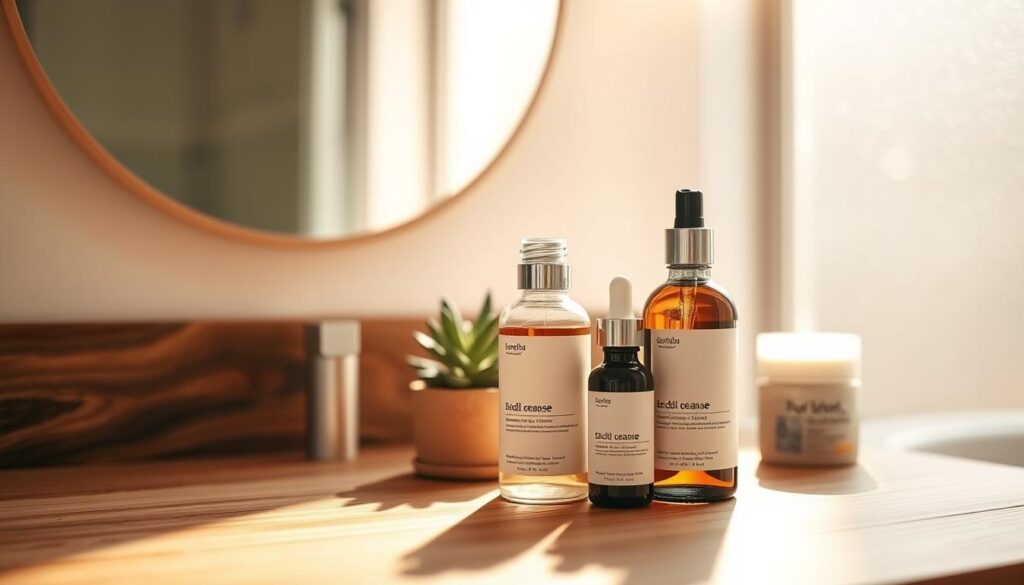
Looking for hydration without ethical compromises? The Vitamin E Night Cream gives 72 hours of moisture. It’s kinder to animals than your ex was to your heart. It’s the overnight transformation your skin deserves – without the guilt.
The Vitamin E Bi-Phase Serum offers 30 hours of hydration in a light formula. It’s vegetarian. Sometimes you want serious moisture without the heavy conscience – or the heavy feel.
Creating the perfect cruelty-free skincare routine isn’t about sacrifice. It’s about smart upgrades. These products show that ethical choices can be the most effective ones on your shelf.
The Vitamin E Moisture Sleeping Mask is the ethical trifecta. It offers overnight repair while you dream of bunnies living their best lives. Your skincare shouldn’t keep you up at night for all the wrong reasons.
This isn’t virtue signaling – it’s virtue achieving. Real results without the ethical side effects. Your skin gets the luxury treatment, and your conscience gets the night off.
Balancing Efficacy & Ethics
Can ethical products really match the results of regular products? The answer is yes, and they’re changing the game. They’re not just keeping up; they’re leading the way.
Let’s look at packaging. It’s a big deal when a product comes in something that’s good for the planet. Ethical brands are making sustainable packaging cool. They use glass and recycled materials, making it both stylish and eco-friendly.
Odylique shows that smart thinking can be simple. They use old milk bottles for their products. It’s a clever way to reduce waste.
The refill revolution is a game-changer in beauty. UpCircle lets you get amazing products without the waste. It’s a win-win for your skin and the planet.
But there’s more. Many brands are doing more than just reducing waste. They’re planting trees to offset their carbon footprint. It’s like your moisturizer is helping the environment while it makes your skin glow.
Working with fewer ingredients forces brands to be more creative. It’s like Picasso painting with a few colors. This leads to better, more innovative products.
Today, ethical products show that you can have both beauty and a clear conscience. They’re pushing the industry forward. The future of beauty is about having both glowing skin and a clean conscience.
How to Advocate for Change
Voting with your wallet is like showing up for elections. It’s important, but it’s not enough. True change comes from more than just shopping.
Start by asking tough questions. Brands don’t like talking about their supply chains. Send emails and comment on posts. Demand they be open about what they do.
Support local shops and small businesses. They are more open than big companies. You can talk to the people who make your vegan beauty products.
Be a fact-checker. Use apps like EWG’s Skin Deep or Good On You. If something sounds too good, it probably is. “Natural” might not mean what you think.
Read the ingredient lists carefully. Look at the tiny print on the back. It’s like checking the terms of service, but with better ingredients.
Your efforts go beyond buying things. Share good finds online. Call out when companies are not honest. Support laws for clearer labels. The beauty industry listens to pressure, even if they use more moisturizer.
Every question, every small brand, and every ingredient list is a vote for better beauty. It’s not just shopping. It’s making a difference, with great skincare too.
Final Tips
Your journey to non-toxic skincare is about making progress, not just being pure. Start with multi-tasking products. They make your routine simpler and cut down on waste. Think of them as the Swiss Army knives of your beauty cabinet.
Always question what marketing claims. If it seems too good to be true, it likely is. Greenwashing is like the new snake oil. Use apps like Think Dirty or Yuka to check labels and avoid false promises.
Choose refills and bulk options over single-use products. Brands like UpCircle offer refill schemes that reduce packaging. It’s a small change with a big effect.
Don’t be afraid to ask brands about their practices. Ask about their sourcing and testing. Your questions push the industry to be more open.
Remember, you don’t need to be perfect. Every choice you make towards non-toxic skincare counts. Your routine is a journey, one step at a time.