
Let’s be honest – your teenage skin is very different from your 60-year-old skin. It’s like comparing a flip phone to an iPhone 15. Your face changes with every birthday, like a living story.
By 30, your collagen production starts to slow down. Hormones change throughout your life, affecting your skin. I’ve seen my skin change from acne-prone to showing fine lines.
The beauty industry is growing and realizing that one-size-fits-all doesn’t work. Your decade of life affects your skincare needs. Hormonal changes impact your skin every day.
That “ageless” marketing is mostly tricks. Your skin tells your story, and good skincare helps refine it.
Routines for Kids/Teens
Remember when Clearasil was the solution to everything? It was as subtle as a middle school dance. Today, we know teen skincare shouldn’t be like chemical warfare.
Natural solutions like aloe vera and oatmeal can calm your skin. They don’t harm your skin’s natural defenses. Teen acne needs gentle care, not harsh treatments.
SPF is not optional; it’s a shield against future regrets. I’ve seen many regret not using SPF when they were younger. It’s a smart investment, like learning to fake confidence in school.
Your teen skincare routine should work with your body, not against it. Hormones are causing trouble on your face. A simple approach is best:
- Gentle cleansing morning and night
- Natural ingredients that soothe
- Daily SPF protection – essential from age 6 months up
- Light moisturizing to keep balance
The goal isn’t to be perfect. It’s to help your skin get through adolescence with minimal damage. High school is hard enough without skincare drama.
This skincare philosophy isn’t about fighting your skin. It’s about knowing this phase will pass. And you’ll want healthy skin when it does.
Adult Skincare: Pregnancy, Stress, Lifestyle
Welcome to your thirties and beyond. Your skin now shows the effects of your choices. That late-night snack or wine? Your skin will tell the tale by morning.
Hormonal changes in pregnancy can make your face change fast. One day it’s glowing, the next it looks like a teenage map. It’s nature’s way of keeping you alert and reaching for the right skincare.
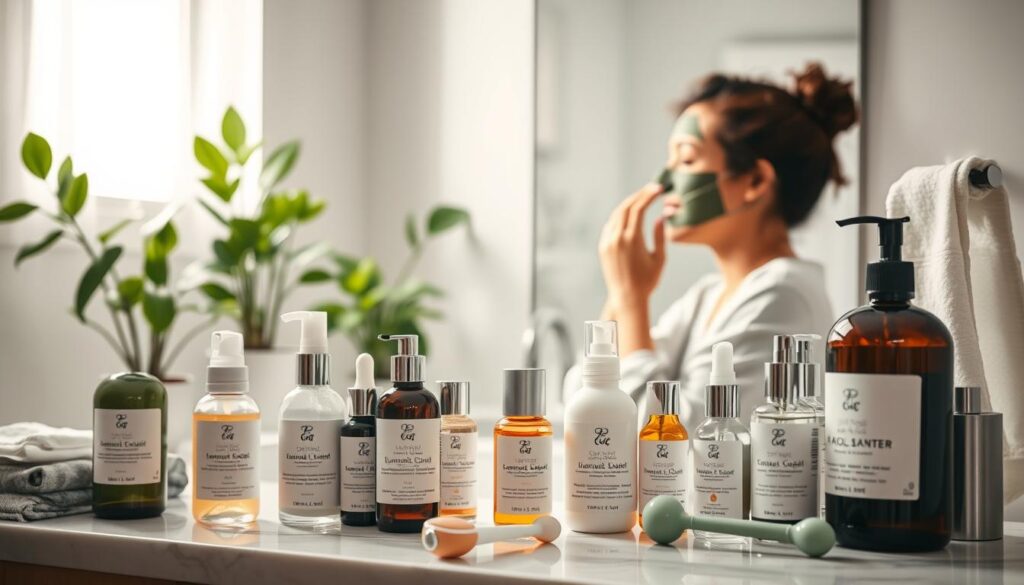
Stress from work or life changes affects your skin too. Cortisol, the stress hormone, disrupts your skin’s hydration and inflammation.
Your lifestyle choices now impact your skin more than ever. Consider these factors that shape adult skin health:
- Sleep patterns affecting cellular repair cycles
- Dietary choices influencing inflammation levels
- Environmental exposures accumulating over time
- Stress management impacting barrier function
Adulthood’s cruel joke? Slowing cell turnover. Your skin’s renewal rate drops about 7% per decade after 30. It’s like your cellular metabolism decided to retire early.
Natural ingredients are your allies in this complex world. Jojoba oil, for example, calms your skin without bias. It’s like the Switzerland of skincare ingredients – effective and appreciated by all.
Your skincare routine now tackles many concerns at once. It’s not just about single issues but managing a whole system. The goal? Create balance in a system tested by life’s demands.
Remember: your skin tells stories your mouth won’t. Listen to it, respect its story, and choose products that get the complex plot of adult life.
Mature Skin Needs
Let’s talk about what happens when your skin starts to show its age. Menopause isn’t just about hot flashes and mood swings. It’s also about your skin losing moisture and losing its natural barrier.
Collagen production drops, and hydration levels vanish quickly. Your skin’s ceramides and lipids, which keep it moist and strong, start to fade away. This leaves your skin feeling dry and old.
Oil-based cleansers are great for mature skin. They clean gently without stripping away the good stuff. Forget harsh cleansers that can harm your skin.
Natural ingredients are the heroes for mature skin:
- Squalane – it’s like your skin’s own moisture, a perfect match
- Copper peptides – they help your natural beauty shine
- Ceramides – they rebuild your skin’s foundation
- Lipids – they keep your skin moist and smooth
This way of aging gracefully isn’t about looking young again. It’s about respecting your skin and the stories it holds. Your face is a library of experiences, not a problem to fix.
The key to aging gracefully? It’s not about fighting time. It’s about finding harmony with ingredients that work with your skin’s natural rhythm.
Choosing Universal Natural Products
Looking for natural skincare can feel like trying to read ancient texts. Everyone claims to know what “natural” means, but it’s not always clear. You might wonder if “natural” means something from the earth or made in a lab.
Let’s look at the different levels of “natural” products:
- Naturally occurring: This is the pure stuff, like raw honey or aloe vera straight from the plant
- Nature-identical: These are made in labs but match natural compounds
- Full synthetic: These are made from chemicals, not found in nature
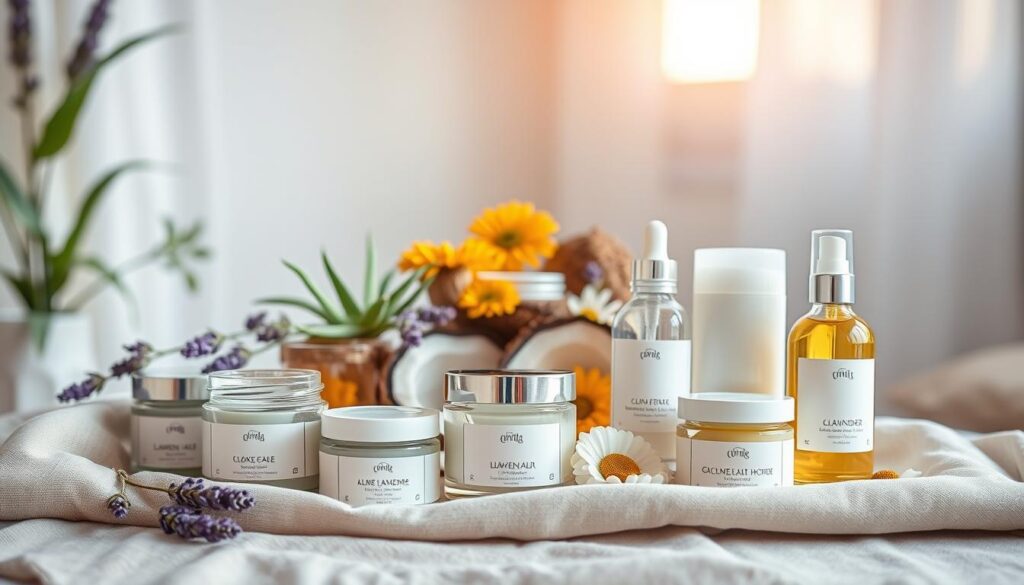
Certifications are your guide in this world. Organic seals mean something real. Vegan and cruelty-free labels are important too, for animal lovers.
But, natural products have a short shelf life. That preservative-free mask might spoil before you watch your favorite show.
So, how do you pick safe for all ages products? Here are some musts:
- Always do a patch test – it’s good for everyone’s skin
- Look at the ingredient list – it’s honest, even if ads aren’t
- Make sure certifications are real – that USDA Organic seal should be legit
- Think about how long it lasts – natural doesn’t mean it expires fast
The key is to find products that are safe for all ages. Good natural products work for everyone, from teens to seniors. They keep the peace in your bathroom.
Quality natural skincare should be easy to understand. The best products show what they’re made of and how they work. Choose clear, honest products, and your skin will be happy at any age.
Sensitive Skin by Age
Think sensitive skin is just one universal complaint? Think again. Your skin’s sensitivity changes over time, like your taste in music. What bothered you at 16 might not bother you at 60. It’s not a flaw; it’s your skin evolving.
Teen skin sensitivity often comes with acne treatments. Harsh benzoyl peroxide formulas can be like blasting death metal in a library. The redness and irritation aren’t personal failures; they’re chemical reactions.
Adult skin develops new sensitivities. Stress can turn your complexion into a mood ring showing “anxious red.” Pollution also adds to the mix, making your face react like a political pundit to bad news.
Mature skin loses protective layers like a retired spy losing cover identities. Thinning skin means every irritant gets VIP access to your nerve endings. What once felt like a gentle breeze now feels like a Category 5 hurricane.
The universal villain across all ages? Fragrances. Those mysterious chemical cocktails promise spring meadows but often deliver chemical burns. They’re like political lobbyists in skincare, promising benefits but secretly working against you.
Natural solutions approach sensitivity like peace talks. Instead of acid toners that declare chemical war, think oatmeal baths that negotiate ceasefires. These products work to rebuild your skin’s barrier, not tear it down.
| Age Group | Primary Sensitivity Trigger | Recommended Approach | Products to Avoid |
|---|---|---|---|
| Teens (13-19) | Acne treatments | Gentle calming formulas | Alcohol-based toners |
| Adults (20-50) | Stress/environment | Barrier repair focus | Synthetic fragrances |
| Mature (50+) | Thinning skin | Ultra-gentle hydration | Exfoliating acids |
The diplomatic approach to sensitive skin means listening to your complexion each decade. Your skin at 40 isn’t the same as at 16 – and your skincare shouldn’t be either. Smart solutions evolve with your biology, bringing calm instead of provocation.
Remember: sensitivity isn’t weakness. It’s your skin’s sophisticated early warning system. Learning to respect its signals is the ultimate skincare power move.
When to Consult a Dermatologist
Let’s talk about when you need a pro’s help with your skincare. Just because it’s natural doesn’t mean it’s safe. It’s not a magic shield against problems.
That vitamin C serum you love? It might not be good with cancer treatments like chemo. Herbal remedies can be risky when mixed with some meds.
Your skin might need more than what you can make at home. There’s a time for trying new things and a time for expert advice.
Some serious skin issues don’t care about your organic routine. Skin cancer needs a doctor’s diagnosis and treatment. Acne keloidalis nuchae and keloids also need medical help, not just natural products.
Think of your dermatologist as the reality check your skincare needs. They’re the ones who keep you from believing too much of what you read online.
Patch testing is key before trying new products, if you have sensitive skin or existing conditions. It’s the smart way to avoid bad reactions.
Red flags that mean it’s time to call a dermatologist: persistent rashes, changing moles, unexplained swelling, or any symptom that lasts over two weeks. Your skin is trying to tell you something. Are you listening?
Natural products are great, but they can’t replace medical advice. If you’re unsure, get it checked out. Your future self will be grateful for that expert opinion.
Product Roundup
Let’s cut through the skincare noise and find what really works. Whether you’re mixing potions at home or buying clinical-grade products, I’ve got you covered. I’ve tried both, and here’s what delivers results without the hype.
Grandma’s papaya mask recipe isn’t just a memory – it’s science. Papaya’s enzymes break down dead skin cells gently. I’ve found three DIY options that really stand out:
- Cocoa Anti-Aging Mask: Mix raw cocoa powder with honey and yogurt. It fights free radicals and smells like a treat
- Oatmeal Clarifying Treatment: Ground oats with apple cider vinegar balance your skin’s pH. It’s like a peace treaty for your skin
- Blueberry Brightening Blend: Mash fresh blueberries with lemon juice. It’s packed with vitamin C, just like some expensive serums
These homemade masks are cheap but pack a punch. The cocoa mask, in particular, surprised me. It made my skin look plumper than some $100 creams I’ve tried.
Commercial Natural Products: Science Meets Nature
For those who want results without the DIY mess, these commercial options are top-notch:
- Squalane Sunscreens: They protect without leaving a white cast. It’s a mineral sunscreen that doesn’t look like you’re in a play
- Lactic Acid Serums: They exfoliate gently, like a Swiss watch. They’re perfect for all skin types and ages
- Bakuchiol Treatments: It’s nature’s retinol alternative. It smooths lines without irritation, like a smooth business deal
What’s amazing is how these products combine natural compounds with science. The lactic acid serums show how nature and tech can create something amazing together.
The Verdict: Kitchen vs. Commercial
After months of testing, here’s what I found:
DIY masks are fun and immediate. There’s something special about using a mask you made yourself. But, they’re not consistent and don’t last long.
Commercial natural products, on the other hand, offer steady results and ease. Squalane sunscreens, for example, protect well and look good every day.
My advice? Use DIY masks for special treats and commercial products for everyday use. This way, you get the best of both worlds – the fun of making something and the reliability of science.
Effective skincare isn’t about how much you spend or what’s marketed. It’s about knowing your ingredients and how they work with your skin. Whether you’re making your own masks or using store-bought ones, the goal is the same: respect your skin and use ingredients that work.
Final Thoughts
Natural skincare isn’t just about telling your skin what to do. It’s a long conversation with your largest organ. You need to listen more than talk.
Your skin changes with age. What worked when you were younger might not work now. It’s like your skin is sending you a message.
This journey is hard because it needs you to be consistent and adaptable. You must learn to read labels and do patch testing carefully.
What works today might not tomorrow. Your skin’s needs change over time. It’s important to adjust your routine to meet those needs.
The key is to understand your skin’s story. It’s a journey that only you can follow.