Holistic health equity is a useful phrase only if it stays grounded in access, culture, education, and safety. HPOC United is described in the provided research as a not-for-profit holistic health association dedicated to promoting holistic well-being and addressing health disparities within BIPOC communities through culturally grounded wellness initiatives. That mission sits at the intersection of community care and personal decision-making, which means the language around it should be careful: wellness education can inform choices, but it should not replace diagnosis, treatment, or advice from a licensed clinician.
Why Holistic Health Equity Needs A Careful Frame
Holistic Health Equity And Community Context
Health disparities are not solved by individual routines alone. The research describes HPOC United as focusing on BIPOC communities, wellness initiatives, and awareness of disparities. That framing matters because community wellness work often includes education, peer connection, culturally familiar language, and attention to barriers that can shape whether people feel seen in health-related spaces. Still, community programming should be understood as supportive education unless a licensed professional is providing personal medical care.
HPOC United’s stated role as a not-for-profit holistic health association gives readers a starting point for evaluating the organization’s public mission. Its site describes a focus on holistic well-being and health disparities within BIPOC communities through culturally grounded initiatives, according to HPOC United. The available research does not provide outcome data, participation numbers, or independent evaluations, so readers should avoid assuming that any program has proven clinical effects. A cautious reading is more useful: the organization appears to focus on education, community connection, and culturally grounded wellness themes.
What “Holistic” Can Mean In Practice
In wellness conversations, “holistic” can mean attention to several parts of life at once: emotional well-being, daily routines, cultural identity, community support, and access to information. That broad use can be helpful, but it can also become vague. For skincare and lifestyle decisions, I always encourage readers to separate ingredient knowledge, personal preference, and cultural tradition from medical claims. A botanical oil, breathing practice, nutrition habit, or community circle may feel meaningful to a person, but that does not make it a treatment for a health condition.
This distinction is central to holistic health equity. A culturally grounded program may help people discuss wellness in language that feels familiar, while clinical concerns still need proper evaluation. If someone has symptoms, medication questions, pregnancy-related concerns, chronic illness, severe anxiety, skin changes, pain, or autoimmune concerns, the safest next step is to consult a qualified clinician who can consider the person’s full health history.
Training Pathways And Community Education
What The Practitioner Program Says It Offers
The research notes that HPOC University offers a five-week Holistic Health Practitioner Certification that integrates ancient BIPOC healing traditions with modern holistic health modalities. The program is described as preparing practitioners to serve their communities, and details are presented on the holistic health practitioner program page. From an evidence-based wellness perspective, this kind of training should be read as educational unless the curriculum, faculty credentials, scope of practice, and regulatory limits are reviewed in detail.
Certification language can be confusing for the public. A certificate may show that a person completed a course, but it does not automatically mean that person is licensed to diagnose, treat, prescribe, or manage medical conditions. Laws vary by location and profession. Readers considering any holistic practitioner should ask what training the practitioner completed, what services they offer, what they do not offer, and how they refer clients to medical care when concerns fall outside their scope.
Why Scope Of Practice Matters
Scope of practice protects both the client and the practitioner. A wellness educator may be able to discuss general lifestyle topics, ingredient literacy, community support, or reflective practices. A licensed clinician is needed for diagnosis, treatment planning, medication guidance, lab interpretation, and condition-specific care. This boundary is especially relevant in communities where people may already face access barriers, medical mistrust, or past experiences of not being heard.
For holistic health equity to be meaningful, education should not ask people to choose between culture and safety. A person can value ancestral practices, community-based learning, and natural product preferences while still using medical care when needed. The most ethical wellness spaces make room for both: cultural grounding and clear referral pathways.
Culturally Grounded Wellness Without Overstating Results
Benefits That Are Reasonable To Discuss
Based on the research provided, it is reasonable to discuss HPOC United’s approach as community-centered and culturally grounded. It is also fair to say that the organization’s events are aimed at promoting holistic well-being, raising awareness about health disparities, and fostering unity within BIPOC communities. These are program intentions, not proof of health outcomes. That distinction keeps the conversation honest.
Community education may support awareness by giving people language for topics they already live with: stress, access to care, cultural identity, family wellness habits, food traditions, beauty standards, and the search for trustworthy information. In skincare, for example, ingredient transparency can help people avoid vague marketing and ask better questions about fragrance, allergens, irritation potential, and personal tolerance. In lifestyle wellness, transparency can help people distinguish a general practice from a medical intervention.
Limitations Readers Should Keep In View
The research does not provide clinical trials, independent program evaluations, or long-term measures of health outcomes for HPOC United programs. That does not make the work unimportant; it means readers should not infer more than the sources support. Wellness organizations can create education and community connection, while medical outcomes require a different level of evidence.
There is also a risk in treating “natural” as automatically safer or more appropriate. Natural ingredients and traditional practices can be meaningful, but they may still cause irritation, interact with medications, be unsuitable during pregnancy, or be inappropriate for some health conditions. In beauty and wellness routines, the safest approach is ingredient awareness, patch testing for topical products when appropriate, and clinician guidance for personal health concerns.
Community Events And Inclusive Beauty Choices
Connecting Wellness Spaces With Access
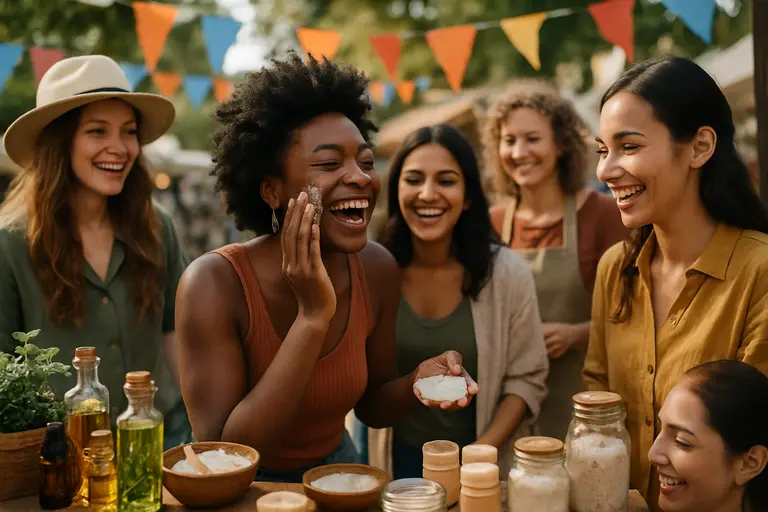
The research describes HPOC United as organizing community wellness events that aim to promote well-being, raise awareness about health disparities, and build unity within BIPOC communities. Events can create entry points for people who may not feel represented in conventional wellness spaces. They may also make discussions of food, movement, rest, beauty, stress, and culture feel less isolated. Yet event attendance should not be confused with personalized clinical care.
For readers interested in how inclusion shapes health and beauty decisions, the same principle applies across product education and community programming: representation should be paired with clear information. A related discussion of inclusive wellness for health and beauty explains how access, diversity, and ethical choices can broaden wellness conversations without promising product results.
Ingredient Transparency As A Wellness Skill
Ingredient knowledge is one practical skill that crosses skincare, haircare, body care, and general wellness habits. People deserve to know what a product contains, what a claim means, and where uncertainty remains. This is especially relevant for BIPOC consumers, who have often been underserved by product testing, shade ranges, marketing representation, and culturally informed education.
Community wellness groups can encourage better questions: Is a product fragranced? Are claims clear or vague? Does the practitioner explain limits? Is there a referral option when symptoms need care? Does the program respect cultural practices without making medical promises? Readers comparing wellness education across related resources may also find HealthScope useful for broader wellness reading within the same network.
HPOC United And Holistic Health Equity Conversations
Questions To Ask Before Joining A Program
Anyone considering HPOC United events, HPOC University training, or similar community wellness programs can benefit from a clear question set. This is not about rejecting holistic education. It is about making sure the setting, claims, and expectations are appropriate.
- What is the program’s purpose: education, community support, practitioner training, or personal care?
- Who teaches or facilitates the program, and what credentials or lived experience are disclosed?
- Does the program explain what it cannot do, such as diagnose or treat medical conditions?
- How does the program address safety, referrals, privacy, and participant boundaries?
- Are cultural traditions presented respectfully, without overstated health promises?
These questions support holistic health equity because they keep community care accountable. They also protect people from confusing general wellness education with individualized clinical guidance. A respectful program should welcome questions about training, safety, limits, and referral practices.
What To Discuss With A Clinician
If you are thinking about adding a wellness practice, changing a routine, using herbs or supplements, or trying a new skincare product while managing a health condition, discuss it with a clinician who knows your health history. Ask whether the practice is appropriate for your medications, allergies, pregnancy status, skin condition, mental health needs, or chronic disease care plan. For urgent symptoms, new or worsening pain, severe mood changes, infection signs, or concerning skin changes, seek timely medical help rather than relying on a wellness program.
HPOC United’s approach, as described in the research, offers a community-based model centered on BIPOC wellness, cultural grounding, education, and disparity awareness. The responsible way to read that model is with both openness and caution: community wellness can help people feel informed and connected, while personal health decisions still belong in conversation with qualified healthcare professionals.