
inclusive wellness is best understood as an access question before it is a lifestyle label. The Inclusive Wellness Initiative describes a focus on diversity of thought, experience, need and practice, with attention to wellness businesses owned by and serving underserved populations. For health and beauty readers, that framing shifts attention from trend language to practical questions: who is welcomed, who is represented, who can afford services, and whose needs are treated as normal rather than exceptional.
That does not mean every inclusive program, spa, product line or community class has the same evidence base or the same safety profile. A cautious reading separates social access from medical outcomes. Representation, culturally aware services and respectful spaces may make participation easier for some people, but they should not be presented as treatment, diagnosis or a substitute for care from a qualified clinician. The strongest educational value is in asking better questions before buying products, attending programs or making personal health decisions.
What Inclusive Wellness Means In Practice
Inclusive Wellness Initiative Priorities
The initiative described in the research is not framed around a single product category. It is about a wider wellness system that recognizes varied needs and practices. That matters because health and beauty services often ask people to fit into default assumptions: one hair texture, one body size, one shade range, one schedule, one price point or one cultural understanding of self-care. A more equitable model starts by questioning those defaults.
A useful reading of inclusive wellness is that it widens the doorway. It can include businesses serving underserved populations, leaders from communities that have been left out of mainstream wellness spaces, and services built with accessibility in mind. The related Inclusive Wellness Alliance describes education, resources and support across diverse wellness practices, with accessibility, inclusivity and empowerment as priorities. Those are broad commitments rather than clinical guarantees, so readers should judge programs by what they clearly provide.
From Representation To Practical Access
Representation is visible in beauty through shade ranges, culturally aware hair care education, affirming salon environments and wellness spaces built for groups that are often treated as an afterthought. The research examples include programs focused on BIPOC and LGBTQIA+ communities, plus-sized women, justice-involved youth, foster families, and systemically excluded leaders. These examples show how inclusion can move beyond marketing language into service design.
Still, the details matter. A beauty brand can promote underrepresented voices while leaving open questions about ingredient disclosure, product testing or suitability for sensitive skin. A wellness event can be welcoming while still requiring time, transportation or child care that some people do not have. Readers comparing programs should look for concrete access signals rather than relying on mission statements alone.
Why Access Shapes Beauty And Self-Care
Cost, Time And Location Are Health-Adjacent Barriers
Beauty and wellness routines are often described as personal choices, but access shapes those choices. Free community sessions, local workshops, mentorship programs and culturally specific education may reduce some barriers for people who are not well served by conventional studios, spas or retailers. The research notes describe examples such as free trauma-informed yoga, mindfulness and mental health support in underserved communities, as well as hair care education and mentorship for young people and families.
Time is part of access too. A person may value a wellness service but lack schedule flexibility, transportation or rest. Broader conversations about time pressure, work and personal care can be found through time use and wellness resources, which connects naturally to the question of whether a routine is realistic. A self-care plan that only works for people with abundant time and money is not broadly accessible.
Beauty Spaces Can Signal Belonging
Inclusive beauty is not only about product shelves. It can also show up in salon consultation forms, chair sizes, restroom access, hair texture knowledge, language around bodies and the way staff respond to cultural practices. The research includes examples of spaces designed for plus-sized women, conscious beauty and affirming hair experiences, as well as platforms that connect clients and professionals with attention to respect and community.
These signals may help people decide whether a service feels respectful. They do not prove that a product is safer, that a wellness service will improve a condition or that a practitioner is clinically qualified. For any skin concern, persistent scalp issue, pain, mental health concern or medical question, a clinician remains the right person to consult.
Ethical Beauty Choices Need Clear Limits
Ingredient Transparency Without Overclaiming
Ethical beauty often includes questions about ownership, representation, packaging, ingredient disclosure and environmental values. The research notes include beauty and wellness examples that emphasize Black-owned or founded brands, minority communities, eco-friendly salon experiences and inclusive cosmetics. Those details can matter to shoppers who want their spending to reflect social values.
At the same time, ethical branding is not the same as evidence of health benefit. Natural, plant-based, clean, conscious or inclusive labels do not automatically tell a shopper whether a product suits their skin. The research provided for this topic does not include clinical testing data, ingredient safety comparisons or dermatology guidance for specific products. Because of that, it would be inappropriate to claim that any brand, spa or routine can treat, prevent or improve a skin condition.
Questions That Help Separate Values From Claims
Readers can use a careful set of questions before making beauty purchases or booking wellness services. The goal is not to reject values-based choices; it is to avoid confusing values with medical evidence.
- Does the business clearly state who the service or product is designed to serve?
- Are prices, appointment requirements and accessibility details easy to find?
- Does the product provide a full ingredient list and usage directions?
- Are health-related claims modest, specific and free from cure or guarantee language?
- Is there a clear path to ask about accommodations, sensitivities or safety concerns?
For readers comparing inclusive wellness programs, this kind of screening supports better decisions without assuming that every good mission statement leads to the same standard of practice. It also keeps attention on the person using the service, not only the image a brand projects.
Reading Community Programs With Care
Local Leadership And Trauma-Informed Language
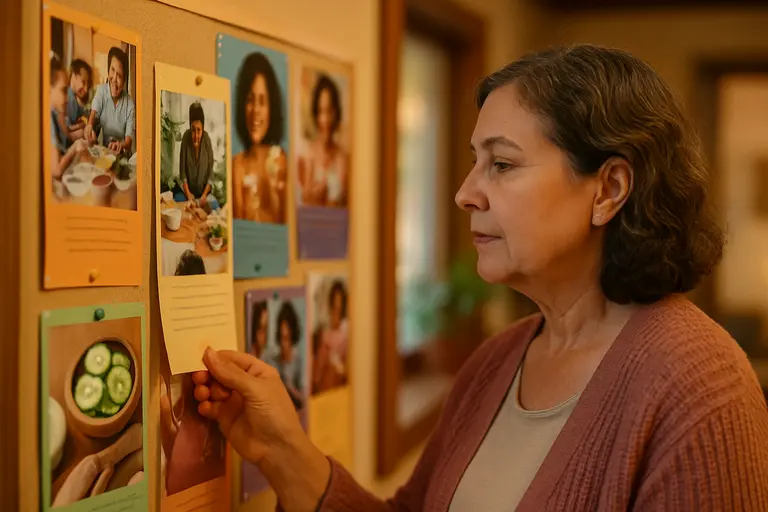
The research includes community organizations that describe trauma-informed yoga, mindfulness, mental health support, culturally inclusive hair care education, and events designed for historically oppressed communities. Those descriptions point to an important principle: people closest to a community may understand barriers that outside providers miss. Hiring, training and supporting leaders from systemically excluded groups can be part of a more respectful model.
Trauma-informed language should still be read carefully. It can signal awareness and care, but it does not automatically identify the scope of a practitioner’s training, licensure or clinical role. If a program includes mental health support, participants may want to ask who provides that support, what qualifications they hold, what happens in a crisis and how referrals are handled. Clear boundaries protect both participants and providers.
Scale Does Not Replace Fit
Some programs in the research report large communities, annual participation or many free sessions. Scale can suggest reach, but fit remains personal. A widely used platform may still not match a person’s hair needs, mobility needs, privacy preferences or comfort level. A smaller program may be more relevant if it is accessible, respectful and clear about what it can and cannot offer.
This is especially relevant in beauty and personal care, where body size, hair texture, skin tone, disability, gender expression and cultural practice can affect whether a space feels welcoming. The most useful standard is not whether a brand uses inclusive language, but whether the service design gives people enough information to make an informed choice.
Inclusive Wellness And Personal Care Decisions
What To Discuss With A Clinician
Inclusive Wellness can make health and beauty conversations more honest by centering people who are often overlooked. It can also remind brands, spas, salons and community programs that access is not a decorative value; it has to show up in services, communication and respect. For readers, the practical task is to support ethical choices while staying cautious about unsupported health promises.
Before changing a skin routine, starting a new supplement, using an unfamiliar cosmetic after irritation, or relying on a wellness service for a health concern, discuss the decision with a clinician. Useful questions include: Could this ingredient interact with my skin condition or medication? Should I avoid any products during pregnancy or while managing a diagnosed condition? What signs of irritation or allergic response should prompt me to stop using a product and seek care? If a wellness class brings up emotional distress, what support options are appropriate for me? Personal needs vary, and educational information should not replace individualized medical advice.