
Your skin reflects your inner health. Quick fixes don’t work. True beauty comes from what you eat every day.
Science shows a link between your gut and skin. What you eat affects your skin’s health. It’s a science-backed way to care for your skin.
Don’t expect overnight results. Changes take weeks and months. A good diet for glowing skin works best with a consistent skincare routine. It can’t change your genes or fix sun damage.
This isn’t a strict diet for skin. It’s a long-term plan. For busy people, a healthy glow shows you’re taking care of yourself.
Why nutrition shows up on your face
Genetics and hormones matter, but what you eat is even more important. Your skin reflects your health every day. Eating right is key to a glowing complexion.
Your skin is your body’s largest organ. It talks to your digestive system all the time. This connection is called the gut-skin axis. An upset gut can make your skin look bad.
Here’s how it works:
- An unhealthy gut lining may become “leaky,” allowing undigested food particles and toxins to enter the bloodstream.
- Your immune system sees these particles as threats, launching a response that creates systemic inflammation.
- This inflammation travels throughout your body and can manifest on the skin as redness, puffiness, acne breakouts, or a dull, lackluster appearance.
Digestive issues often lead to skin problems. It’s not just one bad meal. It’s what you eat every day. Eating the right skin glow foods helps your gut stay healthy.
Hormonal changes also play a role. For women over 40, hormonal shifts affect skin. They change how skin looks and feels. This means your skin needs different nutrients.
Knowing why your diet affects your skin changes how you care for it. It makes you see the importance of what you eat. Now, let’s look at foods and habits that help your skin look its best.
Hydration and electrolytes: water, mineral balance, caffeine/alcohol notes
Drinking water is just the start to glowing skin. It’s about the minerals inside your cells too. When your skin cells are full of water, you look smooth and bright.
Electrolytes like sodium and potassium are key. They help keep fluid balance in cells. Without them, water might not reach your skin well.
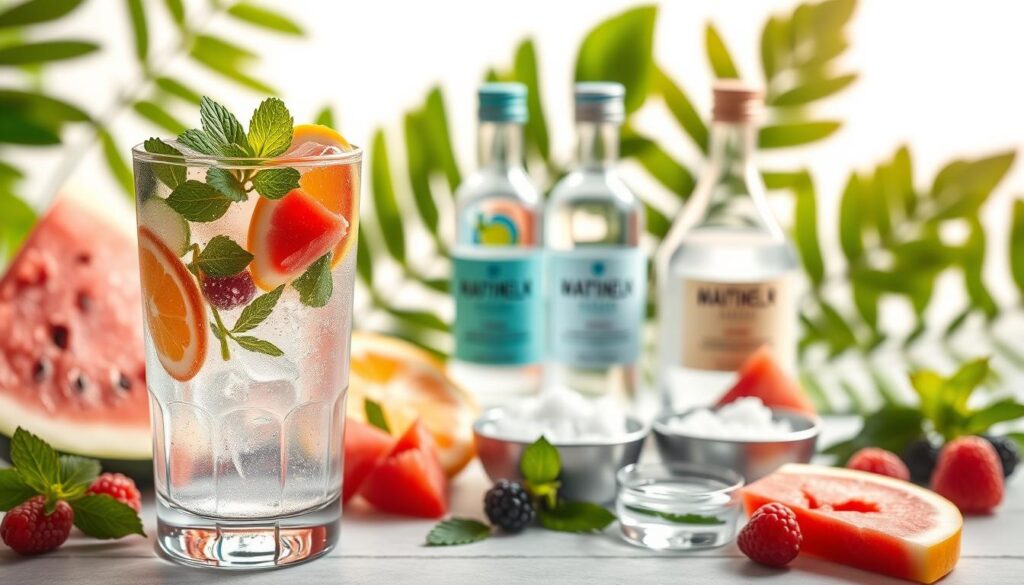
Start with water, lemon juice, and a bit of sea salt in the morning. It gives minerals and helps cells absorb water. Herbal teas, like chamomile or hibiscus, are great for staying hydrated all day.
Drink water between meals, not during. This lets your body digest food first. Then, it can use water for hydration and cleaning.
Eat foods with lots of water too. Cucumber, watermelon, celery, and strawberries help with fluid intake. They also add vitamins and antioxidants for your skin.
Caffeine and alcohol are common in many lives. A smart approach knows their effects and offers ways to manage them. Both can cause you to lose fluids.
For coffee fans, stick to 1-2 cups a day. Always drink water with it. Choose black coffee or a splash of milk instead of creamers.
Alcohol dehydrates and takes away B vitamins, important for skin health. If you drink, have a glass of water for every alcoholic drink. This helps keep your body balanced.
Eating foods rich in antioxidants with alcohol can help too. Berries or a small handful of nuts are good choices. They support your body’s defenses.
Good hydration is key for collagen production. Hydrated skin cells help keep skin firm. Omega-3 fatty acids also help keep moisture in skin cells.
Use the table below to compare your daily hydration sources and their skin benefits.
| Hydration Source | Key Electrolytes/Nutrients | Skin Benefit | Best Time to Consume |
|---|---|---|---|
| Filtered Water with Lemon & Pinch of Salt | Sodium, Potassium, Vitamin C | Boosts cellular hydration, supports detox | Morning, on an empty stomach |
| Coconut Water | Potassium, Magnesium, Natural Sugars | Replenishes minerals post-exercise, adds glow | After a workout or as a mid-day refreshment |
| Herbal Tea (e.g., Chamomile) | Polyphenols, Trace Minerals | Calming, reduces inflammation-related redness | Afternoon or evening |
| Water-Rich Foods (e.g., Cucumber) | Water, Silica, Vitamin K | Internal hydration, supports skin elasticity | With meals or as a snack |
Your skin is the last to get water from what you drink. Focus on consistent, mineral-rich hydration. This step is key for a lasting glow.
Macros that matter: protein for repair, healthy fats (omega‑3/monounsaturated), fiber for the gut‑skin axis
Think of your skin as a building. Protein is like the beams, healthy fats are the waterproofing, and fiber is the foundation. Each macronutrient plays a key role in making your skin strong and glowing.
Protein: The Collagen Construction Crew
Proteins like collagen and elastin keep your skin firm and elastic. Your body breaks them down and rebuilds them constantly. This process needs amino acids from protein in your diet.
Without enough protein, your skin can become thin and slow to heal. It may also get more wrinkles. Eat high-quality protein sources like lean poultry, fish, eggs, legumes, and tofu. They give your skin the amino acids it needs to make new collagen.
Fats are not bad for you. In fact, very low-fat diets can make your skin dry and weak. The right fats are important for keeping your skin hydrated and reducing inflammation.
Omega-3 fatty acids are great at reducing inflammation. They help calm redness and swelling that can cause acne and other skin issues. You can find them in fatty fish, walnuts, flaxseeds, and chia seeds.
Monounsaturated fats keep your skin’s outer layer soft and moist. Avocados, olive oil, and almonds are full of these fats. Adding them to your diet is like using the best face oils for every skin type.
Fiber: The Gut-Skin Connection Conductor
Your gut health affects your skin. Fiber feeds the good bacteria in your gut. A healthy gut microbiome helps control inflammation and supports your immune system.
Low fiber intake can lead to gut imbalance. This can increase inflammation that worsens skin conditions like acne. Eating lots of vegetables, fruits, whole grains, and legumes keeps your gut-skin axis in balance.
Here’s a quick guide to skin-supporting macronutrients:
- Protein for Repair: Chicken, fish, eggs, lentils, Greek yogurt. Supports collagen synthesis and tissue repair.
- Healthy Fats for Barrier & Calm: Salmon (rich in omega-3), avocado, olive oil, walnuts. Reinforces moisture and reduces inflammation.
- Fiber for the Gut: Berries, broccoli, oats, beans, chia seeds. Feeds good gut bacteria to lower inflammatory triggers.
It’s better to balance these three macros than to focus on just one. They work together to build, protect, and maintain your skin’s health from the inside out.
Micronutrient All-Stars: Vitamins, Minerals, and Plant Power
Think of micronutrients as your skin’s elite special forces. Each has a specific mission to protect and enhance. These tiny compounds work behind the scenes to build collagen, fight damage, and create a healthy glow.
Vitamin C is non-negotiable for firm skin. It is critical for collagen synthesis. Your body cannot produce it, so you must get it from food. Excellent sources include bell peppers, citrus fruits, and strawberries.
Vitamins A and E, along with minerals like zinc and selenium, form a protective network. This network of antioxidants neutralizes free radicals from sun and pollution. Zinc also aids in skin healing and can help regulate oil production.
Then there are the plant superstars: polyphenols. These compounds, found in deeply colored foods, offer truly impressive defensive benefits. Berries are packed with anthocyanins. Green tea provides catechins. Even dark chocolate and cacao deliver flavanols.
Don’t forget carotenoids, like beta-carotene. They give foods like sweet potatoes and carrots their color. They also lend your skin a warm, healthy glow and provide mild, natural UV protection.
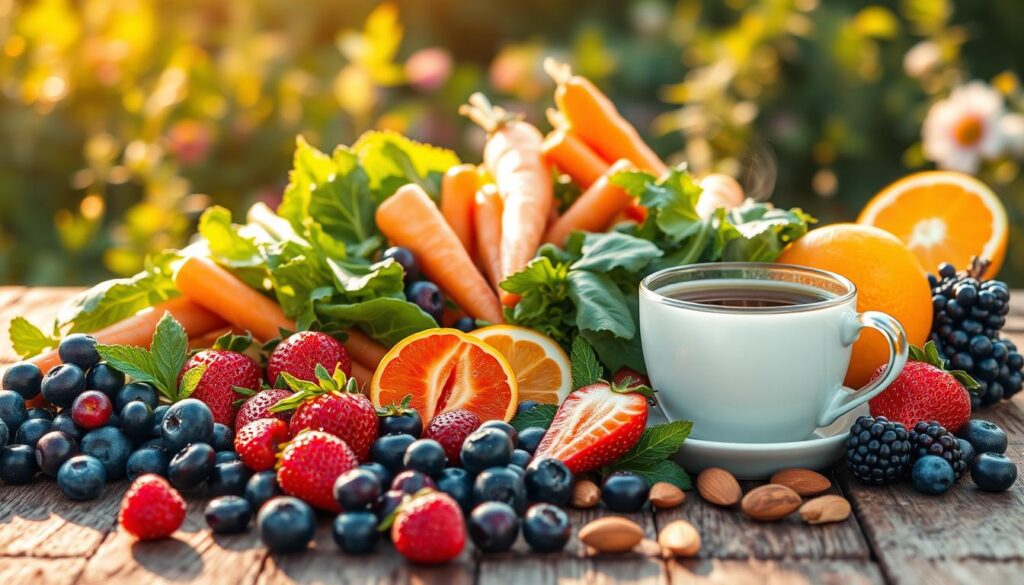
- Vitamin C (Collagen Builder): Bell peppers, kiwi, broccoli, oranges.
- Vitamin E & Selenium (Antioxidant Partners): Almonds, sunflower seeds, Brazil nuts, spinach.
- Vitamin A & Zinc (Repair Crew): Sweet potatoes, eggs, pumpkin seeds, lentils.
- Polyphenols (Plant Defenders): Blueberries, green tea, dark chocolate (70%+ cacao), red cabbage.
- Carotenoids (Glow Givers): Carrots, tomatoes, watermelon, leafy greens.
Focusing on these micronutrients transforms your diet into targeted skin support. For a complete guide on how these fit into a bigger plan, explore the eight essential nutrient groups for skin health. Next, let’s see how the energy from your food impacts your complexion.
Glycemic load and breakouts: smart carb swaps and meal timing
Not all carbs are the same when it comes to skin health. The main difference is in a food’s glycemic load (GL).
Glycemic load shows how fast a food raises your blood sugar. Foods high in GL, like white bread and sugary snacks, cause a quick spike.
This spike leads to a rush of insulin. High insulin can cause inflammation and make your skin produce more oil. It also affects hormones that can make acne worse. Over time, high blood sugar damages collagen and elastin, affecting your skin’s elasticity.
You don’t have to cut out carbs. Instead, choose low-GL options and eat them at the right times. This simple change can greatly improve your skin’s clarity.
| High Glycemic Load Choice | Smart Low-GL Swap | Why It’s Better for Skin |
|---|---|---|
| White rice | Quinoa or brown rice | Higher fiber slows sugar absorption, reducing the insulin spike. |
| Instant oatmeal packets | Steel-cut or rolled oats | Less processed, so it digests slower for steady energy. |
| White pasta | Lentil pasta or whole-wheat pasta | Adds protein or fiber to blunt the blood sugar response. |
| Sugary breakfast cereal | Plain Greek yogurt with berries | Protein and fat from yogurt balance the natural sugars. |
| Potato chips | Apple slices with almond butter | Combines fiber, healthy fats, and protein for a satisfying snack. |
The best strategy is never eating carbs alone. Always pair them with protein, healthy fats, or fiber.
For example, have an apple with almonds. Eat sweet potato with grilled chicken and avocado. This slows digestion and prevents sharp blood sugar spikes that can lead to breakouts.
Meal timing also helps. Your body handles carbs better in the morning when insulin sensitivity is higher.
Eat your higher-carb meals, like quinoa, at lunch or after a workout. Your evening meal should focus on protein, healthy fats, and veggies. This matches your natural metabolism.
By controlling your glycemic load through smart swaps and meal planning, you can reduce skin inflammation. Clearer skin is within your reach.
7‑Day Glow Menu (Omnivore + Plant‑Based Options) With Shopping List
We’ve created a 7-day eating plan to help you glow. It’s packed with nutrients for a skin reset. Each meal is tasty and based on science.
Every day focuses on a different skin goal. You’ll find both meat and plant-based options for each meal. This makes the plan easy to follow, no matter your diet.
Getting ready is key to success. Use the table below as your daily guide. It’s a template you can use and repeat.
| Day | Daily Focus | Omnivore Meal Highlight | Plant-Based Meal Highlight |
|---|---|---|---|
| Day 1 | Hydration & Electrolytes | Herb-roasted chicken with cucumber salad and watermelon. | Chickpea salad with mint, lemon, and hydrating watermelon chunks. |
| Day 2 | Omega-3 & Healthy Fats | Pan-seared salmon with quinoa and steamed broccoli. | Flaxseed-crusted baked tofu with quinoa and avocado. |
| Day 3 | Antioxidant Boost | Mixed berry smoothie with Greek yogurt and a handful of spinach. | Green tea chia pudding topped with mixed berries and cacao nibs. |
| Day 4 | Gut-Skin Fiber | Lentil soup with a side of roasted carrots and a whole-grain roll. | Hearty three-bean chili loaded with vegetables and topped with avocado. |
| Day 5 | Repair & Protect Proteins | Lean cod fillet with a sweet potato and asparagus medley. | Lentil and walnut “meatballs” with marinara sauce over zucchini noodles. |
| Day 6 | Low-Glycemic Energy | Turkey and avocado lettuce wraps with a side of black beans. | Cauliflower rice bowl with black beans, pico de gallo, and guacamole. |
| Day 7 | Carotenoid Glow | Omelet with spinach, red peppers, and a side of roasted butternut squash. | Sweet potato and black bean burger on a whole-grain bun with leafy greens. |
Remember, these are just meal highlights. Add plenty of veggies to your plate. Drink water all day and avoid dehydrating drinks.
This structured week lets you see how skin glow foods affect you. You’ll notice better energy and skin.
Consolidated Glow Grocery List
This list has everything you need for the week. It saves time and reduces waste. Shop once and be ready for a successful week.
- Produce: Spinach, kale, broccoli, asparagus, cucumbers, carrots, bell peppers, zucchini, sweet potatoes, butternut squash, avocado, lemons, limes.
- Fruits: Watermelon, mixed berries (fresh or frozen), bananas.
- Proteins (Omnivore): Chicken breast, salmon fillet, lean ground turkey, cod fillet, eggs.
- Proteins (Plant-Based): Firm tofu, canned chickpeas, canned lentils, black beans, walnuts.
- Pantry & Grains: Quinoa, rolled oats, chia seeds, flaxseeds, whole-grain rolls/buns, canned diced tomatoes, tomato sauce.
- Herbs & Flavor: Fresh mint, cilantro, garlic, onion, dried herbs (oregano, basil).
- Other: Greek yogurt (or plant-based alternative), green tea bags, cacao nibs, olive oil.
With your kitchen stocked, you’re ready for a week of nourishing meals. This plan is a powerful template. It shows that eating for radiant skin is simple, varied, and satisfying.
Supplements: when food may not be enough; safety and quality cautions
Food is the best source of nutrients for your skin. But, sometimes supplements are needed. They should be seen as a backup, not a main source of nutrition.
Don’t expect too much from supplements. Topical treatments like sunscreen and retinoids work better for many skin issues. Supplements can help from the inside, but they can’t replace these proven treatments.
Supplements are useful in certain situations. They help those with dietary restrictions, diagnosed deficiencies, or increased nutrient needs due to life stages.
- High-quality Omega-3s: These are good for inflammation in the skin, for those who don’t eat fatty fish.
- Vitamin D: It’s essential for skin health, as many people lack it, making it a common supplement choice.
- Collagen Peptides: They might improve skin hydration and elasticity, but eating foods like bone broth is a natural alternative.
For hormonal balance, eating foods with phytoestrogens like flaxseeds is a good first step. This is before considering supplements.
Choosing supplements requires careful thought. Not all products are safe or effective.
Here are some important tips:
- Prioritize Third-Party Testing: Look for NSF, USP, or ConsumerLab.com seals. They ensure the product is safe and contains what it claims.
- Consult a Healthcare Provider: Always get a doctor’s advice before starting supplements. They can check for deficiencies and ensure safety.
- Avoid Megadoses: Taking too much of vitamins A, D, E, and K can be harmful. High doses of some nutrients can cause problems.
The best way to get glowing skin is through a healthy diet. Use supplements only when needed and with a doctor’s advice. This way, you ensure your health is protected and enhanced.
Skin Goals by Life Stage (20s–50s+) and Cultural Cuisines You Can Leverage
While no diet can stop time, the right foods can greatly improve your skin’s look and feel at every stage. Your skin’s nutritional needs change as you age. A tailored approach is much more effective than a one-size-fits-all plan.
Think of your diet as a customizable support system. It changes to meet your skin’s evolving needs. This approach helps you focus on what’s most important for your skin.
| Life Stage | Primary Skin Focus | Key Dietary Strategy |
|---|---|---|
| 20s & 30s | Antioxidant defense, managing oil and breakouts, establishing resilient barrier. | Load up on colorful berries and leafy greens for vitamins C and E. Choose zinc-rich foods like pumpkin seeds and lentils. Opt for low-glycemic carbs to keep oil production balanced. |
| 40s & 50s+ | Supporting collagen, boosting hydration, combating dullness from slower cell turnover. | Prioritize vitamin C for collagen synthesis and vitamin A for renewal. Increase healthy fats from avocados and fatty fish. Incorporate collagen peptides and probiotics to support gut health, which is linked to skin elasticity. |
You don’t need a passport to enjoy the world’s best skin-food traditions. Many global cuisines are naturally good for your skin. You can easily adopt these ideas.
The Mediterranean diet is a great example. It’s full of healthy fats from olive oil and omega-3s from fish. These fats keep your skin supple and fight inflammation. Add tomatoes and garlic for extra antioxidants.
Japanese culinary habits are also worth following. Green tea provides protective polyphenols. Dishes often feature fatty fish like salmon and mackerel. These are excellent for maintaining your skin’s glow.
Korean cuisine is known for its emphasis on fermentation. Staples like kimchi and doenjang (soybean paste) are full of natural probiotics. These support a healthy gut microbiome, which is directly connected to clear, calm skin.
Looking at your plate through the lenses of life stage and global flavor can transform eating. It turns it from a chore into a discovery. This approach empowers you to build a diverse, delicious diet that supports your skin’s unique needs. It makes staying consistent easy, turning every meal into a step toward lasting radiance.
Red‑flag diets to avoid + when to see a clinician
Some diets can harm your skin’s glow. Watch out for those with lots of refined sugar, processed foods, and alcohol. These can cause inflammation.
Extreme diets or fad cleanses often miss out on important nutrients. Your skin needs these to heal.
Nutrition is great for your skin, but it’s not everything. It can’t replace medical advice. Conditions like acne, eczema, and rosacea need a doctor’s check-up.
Know when to get help. See a dermatologist for bad rashes, severe acne, or sudden skin changes. A dietitian can create a diet plan just for you. They can suggest foods or probiotics for better gut health.
This diet plan is backed by science. It helps your skin glow and keeps you healthy. Always talk to a doctor for any health worries.