Our relationship with hair is full of twists and turns. We want it to be like a shampoo commercial star—glossy and obedient. But, it often doesn’t behave that way.
So, we turn to chemicals. Silicone serums make hair look sleek but can make it brittle over time. It’s a cycle of damage pretending to be a solution.
This is our intervention. The first step to healthy hair isn’t a new product. It’s looking in the mirror and asking what your scalp really needs.
Is your scalp dry or oily? It’s like a personality test for your hair. We’re talking about different hair types like the Frizz Monster and Grease Lightning.
Knowing your hair type is key. Only then can the kitchen-cabinet revolution begin. This journey starts with understanding yourself.
Forget about miracle cures. The best DIY hair treatments start with listening to your hair. It’s time to pay attention to what your hair is trying to tell you.
Natural Cleansing Alternatives to Shampoo
Commercial shampoo strips your hair, then dries it out. It creates a problem and sells you a fix. The lather is often harsh, leaving your scalp and hair in need of conditioner.
True cleansing is about balance, not destruction. It’s like switching from war to diplomacy for your hair. Your kitchen has the right ingredients.
Apple Cider Vinegar (ACV) rinse is a natural star. It’s like a tonic for your scalp. Mix 2 tablespoons of raw ACV with 16 ounces of cool water. After washing, pour it through, wait a minute, and rinse.
ACV balances your scalp’s pH, unlike harsh shampoos. It also hardens the hair cuticle, giving shine and reducing frizz. It’s a gentle way to finish each strand.
Coconut Milk shampoo offers a creamy texture. It’s a gentle giant in homemade shampoo alternatives. Mix fresh coconut milk with liquid castile soap for a soft cleanse. The milk’s fatty acids nourish your hair without making it feel dry.
Lemon juice is a clarifier. It’s packed with limonene and Vitamin C. Dilute it with water for a rinse that removes buildup.
Choosing an alternative is a personal choice. The table below helps you find the right one for your hair.
| Alternative | Best For | Key Action | Simple Recipe |
|---|---|---|---|
| Apple Cider Vinegar Rinse | Dull hair, oily scalp, pH imbalance | Closes cuticles, balances pH, adds shine | 2 tbsp ACV + 16 oz water |
| Coconut Milk Wash | Dry, curly, or damaged hair | Cleanses with fatty acids, adds mild moisture | 1/4 cup coconut milk + 1 tbsp castile soap |
| Lemon Juice Clarifier | Fine hair, product buildup, lack of bounce | Absorbs oil, clarifies, adds Vitamin C | Juice of 1 lemon + 1 cup water |
This isn’t just about avoiding chemicals. It’s about intelligent cleansing. You’re choosing the right way to clean your hair. Your hair gets clarity, your scalp gets peace, and you save money. The first step to a great homemade shampoo routine is understanding that clean shouldn’t feel like a punishment.
Deep Conditioning Masks for All Hair Types
Deep conditioning doesn’t need to be expensive. Your kitchen has the power to transform your hair. Natural hair masks work with your hair, not against it.
Think of these masks as a way to nourish your hair. Each ingredient has a special job. Together, they create a powerful treatment.
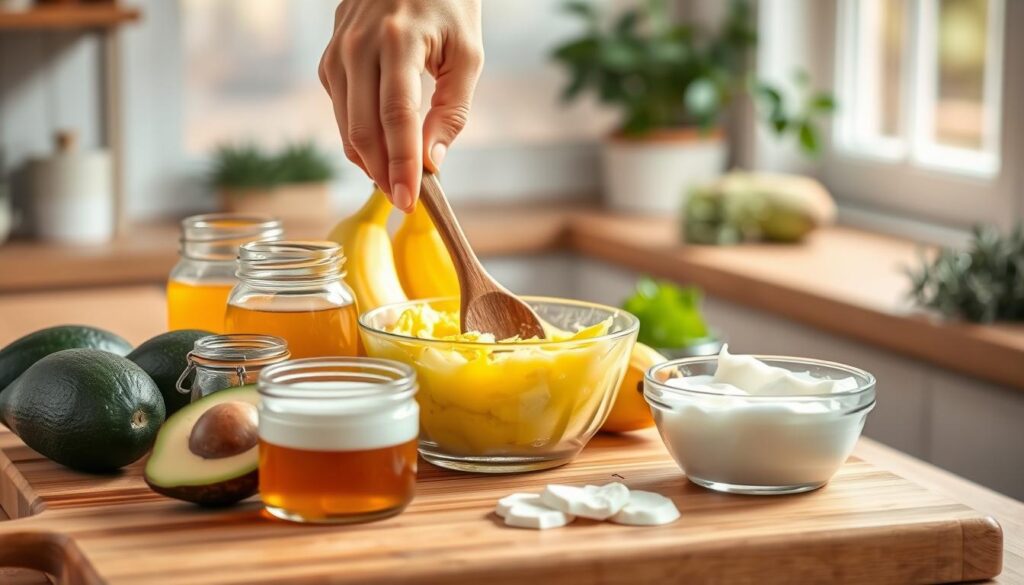
Let’s look at some recipes that turn simple ingredients into hair miracles. These recipes are not just suggestions. They are specific treatments for your hair.
| Mask Recipe | Primary Benefit | Best For | Key Actives |
|---|---|---|---|
| Coconut Oil + Honey | Intensive Repair | Dry, Brittle Hair | Medium-chain fatty acids, Humectants |
| Coconut Oil + Cinnamon | Growth Stimulation | Slow-Growing Hair | Fatty acids, Cinnamaldehyde |
| Egg + Lemon | Oil Regulation | Oily Hair & Scalp | Proteins, Citric Acid |
| Brown Sugar + Olive Oil | Scalp Exfoliation | Dry, Flaky Scalp | Glycolic acid, Oleic acid |
| Banana + Yogurt + Honey | Frizz Control | Unruly, Frizzy Hair | Potassium, Lactic acid, Humectants |
| Coconut Oil + Avocado + Egg + Honey | Damage Recovery | Chemically Damaged Hair | Fatty acids, Vitamins E & B, Proteins |
| Coconut Oil + Strawberry + Honey | High-Shine Finish | Dull, Lifeless Hair | Fatty acids, Ellagic acid, Humectants |
These combinations work because of biochemistry. It’s not magic, but science you can understand.
The Coconut Oil and Cinnamon mask is like a scalp stimulant. Cinnamon boosts blood flow better than many commercial treatments. It’s like a caffeine boost for your hair follicles.
The Banana and Yogurt mask is like a gentle exfoliant. Yogurt’s lactic acid gently scrubs your scalp. Banana’s potassium helps control frizz. It’s like sending a peacekeeping force to your hair’s cuticle layer.
Egg and lemon are perfect for oily hair. The proteins strengthen your hair, while citric acid controls oil. It’s a diplomatic solution for your scalp and styling routine.
Avocado adds vitamins E and B to repair your hair. With coconut oil’s fatty acids and egg’s proteins, it’s a powerful treatment. This mask rebuilds your hair from the inside.
Honey is a natural humectant. It adds moisture and locks it in. In any natural hair mask, honey is the hydration security system.
Brown sugar is an unexpected ingredient. Its glycolic acid exfoliates your scalp. Mixed with olive oil, it removes flakes without stripping your hair. It’s a gentle way to care for your scalp.
For more ideas, check out these creative DIY hair mask recipes that use these ingredients.
How you apply your mask is important. Use it on damp hair, focusing on the mid-lengths to ends. Scalp masks should be massaged in well. Leave it on for 20-30 minutes.
These natural hair masks adapt to your hair’s needs. Need to control frizz? Try the Banana-Yogurt mask. Want to boost growth? Use the Cinnamon mask. Your hair changes with the seasons, stress, and styling. So should your treatment.
Forget expensive hair treatments. The best ones are in your kitchen, waiting to transform your hair care routine.
Scalp Treatments for Healthy Growth
We often focus on the hair, but true health starts at the scalp. Neglecting the scalp while worrying about split ends is like treating symptoms, not the cause. Your scalp is like a factory floor. If it’s clogged, inflamed, or lacking nutrients, your hair will suffer.
Intelligent DIY hair treatments move from cosmetic to therapeutic. It’s about targeted, strategic care, not just slathering on products.
Start with simple, yet powerful tools like massage. It’s not just for relaxation. It boosts blood flow. Use lightweight carrier oils like jojoba or sweet almond to mimic your skin’s natural oils.
Now, add the active agents. Your DIY hair treatments become like precision medicine. Essential oils are the special forces.
- Rosemary Oil: It’s a growth champion. Studies show it’s as effective as minoxidil in boosting cell growth and circulation.
- Peppermint Oil: It’s the shock troop. Its cooling effect increases blood flow, relieving itch and revitalizing your scalp.
For a growth-boosting massage, mix two tablespoons of jojoba oil with three drops each of rosemary and peppermint. Warm it, apply to your scalp, and massage for five minutes. This is not a gentle pat; it’s a mission.
Want to boost it even more? Try cinnamon. Its warmth stimulates blood flow. Mix a pinch of cinnamon powder with your carrier oil for a treatment that wakes up dormant follicles. Use it sparingly; it’s potent.
But what if your scalp is dirty? Buildup, dead skin, and excess oil block growth. Exfoliation is a key DIY hair treatment here.
You don’t need harsh chemicals. A brown sugar and oil scrub is a natural way to remove buildup. Mix two tablespoons of brown sugar with one tablespoon of carrier oil. Massage it onto your scalp in the shower, then rinse well. The sugar dissolves, removing debris without harming your scalp.
For a soothing, probiotic option, use plain full-fat yogurt as a scalp mask. Its lactic acid gently exfoliates and its coolness calms inflammation.
Your scalp is an ecosystem. These treatments are conservation efforts. Nourishing the roots leads to healthy growth in every inch of your hair. It’s a strategic investment.
Natural Hair Oils and Their Benefits
Natural hair oils are like diplomats for your scalp, each one bringing its own benefits. For those with fine hair, the thought of using oil can be scary. But it’s not about covering your hair in oil. It’s about using it wisely.
Understanding the right oil for your hair is key. Light oils are gentle, while heavy oils provide deeper nourishment. Using the wrong oil can be like sending a tank to a tea party. But using the right one can make your hair soft and healthy.
Coconut oil is like a special forces team. Its small molecules deeply nourish your hair, making it strong. Olive oil, on the other hand, is like a trusted diplomat. It has been conditioning hair for centuries, leaving a soft shine.
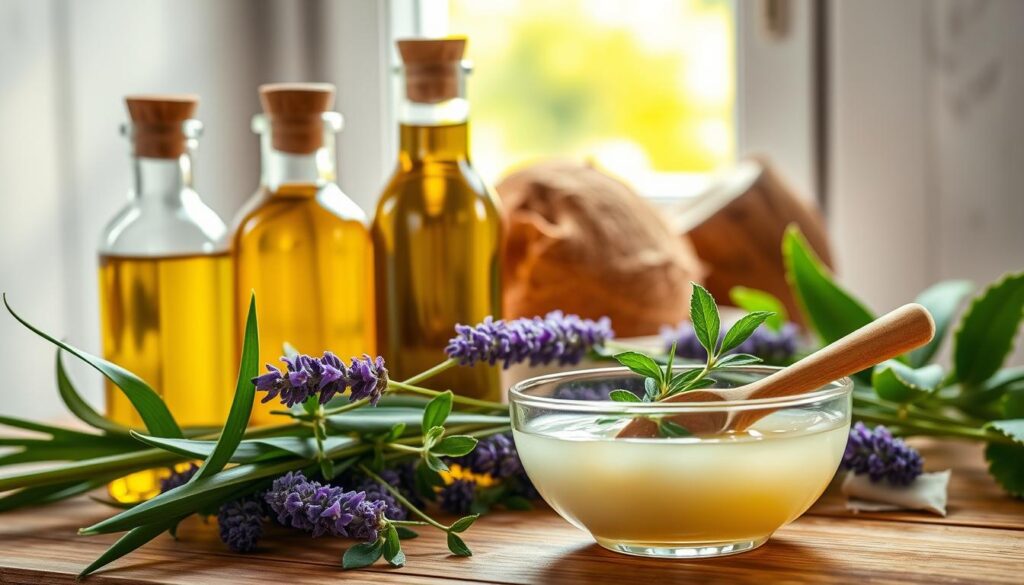
Jojoba oil is a genius diplomat. It’s similar to our natural oils, helping balance your scalp. Argan oil is like a luxury ambassador. It makes dry, frizzy hair smooth and silky.
Choosing the right oil is a strategic move. Here’s what you need to know:
| Oil | Molecular Profile | Primary Benefit | Best Use Case |
|---|---|---|---|
| Coconut Oil | Small fatty acid chains | Deep penetration, moisture retention | Pre-wash treatment for damaged hair |
| Olive Oil | Larger, heavier molecules | Conditioning, shine, preventing breakage | Sealant for ends, overnight treatment |
| Jojoba Oil | Mimics human sebum | Lightweight, balances scalp oil | Daily scalp massage, fine hair hydration |
| Argan Oil | Rich in vitamin E & antioxidants | Nourishing for dry/frizzy hair | Heat protectant, frizz control, finishing oil |
How you apply your oil is as important as what oil you choose. Use coconut or olive oil before washing your hair. This gives it a deep conditioning without leaving it greasy.
Jojoba and argan oils are great as sealants. Add a few drops to your hair after washing. They keep the moisture in, making your hair healthy. For fine hair, just use it on the ends.
Don’t be afraid to mix oils. Blend jojoba with argan for a balanced treatment oil. Your hair changes with the seasons and your style. Experiment to find what works best.
The goal is to find harmony, not to overdo it. When used right, these oils are key to great natural hair masks. They turn your hair care into a targeted repair process. They’re not just products; they’re tools for healthy hair.
Protein Treatments Using Kitchen Ingredients
Hair that feels limp and stretchy needs protein. It’s like your hair is waving a white flag. Hair is made of keratin, which is like the framework of your style.
The solution isn’t in fancy salon bottles. It’s in your fridge. Eggs are nature’s protein powerhouse. They’re not just for breakfast; they’re for fixing weak hair.
Egg whites fix damaged hair areas. They’re like tiny spackle for split ends. The yolk adds fatty acids and vitamins A, D, and E, making your hair soft and conditioned.
Protein is all about balance. Too little, and your hair is weak. Too much, and it’s brittle. DIY treatments let you control this balance.
Try the Egg + Lemon clarifying mask. Mix one egg white with lemon juice. Apply to damp hair, focusing on the ends. Leave for 20 minutes, then rinse with cool water.
For damaged hair, try the Avocado + Egg + Honey + Coconut Oil mask. Mix half an avocado with an egg, honey, and coconut oil. It’s like intensive care for your hair.
Do these treatments every three to four weeks. They’re not daily routines. Over-processed hair might need them more often, but listen to your hair. When it feels stiff, take a break.
The key to DIY hair treatments is mixing protein with moisture. Our recipe includes avocado and honey. Protein fixes the damage, while moisture keeps it flexible.
Watch for signs of too much protein: stiff hair, loss of elasticity, and breakage. If you see these, switch to moisturizing treatments. Your hair’s needs change with the seasons, stress, and styling.
Protein treatments are precise in the DIY world. You’re not just cleaning or conditioning; you’re doing hair surgery. With eggs and pantry staples, you’re the architect and contractor of your hair’s health.
Clarifying Treatments for Product Buildup
Your hair is like a high-end audio system that needs a reset. It’s covered in a dull film from product buildup. This buildup comes from silicones and other ingredients in homemade shampoo alternatives.
Washing your hair lifts the cuticle scales, trapping debris. Over time, this makes your hair look dull. The solution is not more products but a chemical-free wash.
Apple cider vinegar, or ACV, is a natural clarifier. It has acetic acid that dissolves mineral deposits and breaks down product residue. It also balances your scalp’s pH.
Your hair’s natural pH is slightly acidic. Most products are alkaline, which keeps your hair raised and porous. ACV’s acidity closes your hair’s cuticles, making it shiny and reflective.
Yes, you’ll smell like vinegar for a few minutes. But it’s worth it. Your hair will feel cleaner and more alive. It’s like a monthly reboot for your haircare routine.
The Basic ACV Rinse Protocol
This is simple. You’re making a dilution:
- Mix: 1-2 tablespoons of raw, unfiltered apple cider vinegar with 1 cup of cool water.
- Apply: After your final rinse, pour the mixture slowly over your scalp and hair. Massage gently.
- Wait: Let it sit for 1-2 minutes. You might feel a slight tingling—that’s the acid at work.
- Rinse: Use cool water to seal the cuticles completely. No need to shampoo again.
The vinegar smell goes away as your hair dries. It leaves your hair smelling fresh and shiny. For those who don’t like the smell, we have a solution.
The Scented Vinegar Upgrade
If vinegar smells bother you, essential oils can help. Add 5-10 drops of your favorite essential oil to the ACV before diluting it with water.
Good choices include:
- Lavender for calming, floral notes
- Rosemary for an herbaceous, stimulating scent
- Peppermint for a crisp, invigorating finish
- Tea Tree for its additional antimicrobial properties
This turns your clarifying rinse into a spa-like experience. The oils mix with the vinegar, making it smell nice while clarifying your hair.
ACV vs. Lemon Juice: Choosing Your Clarifier
Not all acids are the same. ACV is a multi-tool, while lemon juice is a specialist. Both clarify, but in different ways.
| Treatment | Best For | Key Action | Frequency |
|---|---|---|---|
| Apple Cider Vinegar Rinse | All hair types, hard water areas, general buildup | pH balancing, cuticle sealing, mineral removal | Every 2-4 weeks |
| Lemon Juice Rinse | Oily scalps, fine hair, summer maintenance | Oil absorption, slight lightening, fresh scent | Every 3-6 weeks |
Lemon juice has citric acid, which is more astringent. It’s great for oily scalps and fine hair. But it can dry out your hair and lighten it slightly.
The lemon juice protocol is similar to the ACV rinse. Dilute fresh juice with water, apply, wait, and rinse. The citrus scent is more acceptable than vinegar, but it’s more targeted.
This monthly clarifying ritual is essential for healthy hair. It clears your hair, allowing your natural oils and treatments to work better. It’s like hitting the refresh button on your homemade shampoo system.
Your hair will thank you with bounce, shine, and cleanliness. The fog will lift, and your hair will look clear again.
Natural Hair Styling Products
The styling aisle at the drugstore looks like a chemistry lab gone wrong. But what if your kitchen held all the tools you needed? We’ve been sold a story that taming our hair needs industrial-strength products. The truth is simpler. True styling starts with knowing what your hair really needs, not what marketers want to sell.
After cleaning and treating your hair with natural ingredients, why use synthetic products? This section changes what we call “styling product.” We move from heavy formulas to smart, multi-tasking ingredients that style by improving health.
Aloe vera gel is great for sunburns. Its water-based, lightweight texture gives “touchable hold.” It defines waves and curls without the crunchy, helmet-head effect of conventional gels. A small amount smoothed over damp hair tames frizz by sealing in moisture, not by creating a plastic-like shell.
Coconut milk, often used in natural hair masks, is also a brilliant leave-in conditioner. In small amounts—it’s just a teaspoon—it adds slip for detangling and a subtle shine. Your hair feels better, not weighed down.
Honey, nature’s original humectant, is a dual-purpose ingredient. Mixed with water in a spray bottle, it creates a light styling mist. It attracts moisture to plump up curls and add shine. Unlike synthetic serums, honey’s shine comes from within the hair shaft.
For flyaways and static, try lightweight oils. Jojoba oil, which closely mimics our skin’s natural sebum, is the ultimate finisher. One drop rubbed between your palms and lightly skimmed over your hair’s surface creates instant polish. It’s the difference between “I tried” and “I woke up like this.”
| Styling Goal | Conventional Product | Natural Alternative | Key Benefit |
|---|---|---|---|
| Hold & Definition | Alcohol-based gel or mousse | Pure aloe vera gel | Hydrates while holding, no flaking or crunch |
| Shine & Smoothing | Silicone-based serums | Diluted honey spray or jojoba oil | Adds luminosity from within, doesn’t coat hair |
| Frizz Control | Anti-frizz creams with polymers | Light coconut milk as leave-in | Moisturizes and seals cuticle naturally |
| Curl Enhancement | Curl-defining creams | Ingredients from hydrating natural hair masks | Nourishes curl pattern without heaviness |
| Volume & Texture | Sea salt sprays or dry shampoo | Apple cider vinegar rinse (diluted) | Cleanses scalp for natural lift, no residue |
The table above isn’t just a swap list. It shows a big change. Conventional products often create a temporary, external effect—a film, a coating, a shell. Natural alternatives improve the hair’s actual condition. The style becomes a byproduct of health.
This approach needs a mindset change. You’re not applying a “styler” but a finishing treatment. The amounts are small—think “less is more.” Your hair should feel like hair, not like it’s wearing a product costume.
The beauty of this system is its synergy. The aloe vera you use for hold also soothes your scalp. The honey that adds shine is also an antioxidant. You’re not separating “treatment” and “styling” into separate rituals. You’re building a holistic hair ecosystem where every action supports the others.
Styling with natural ingredients gives you control. You know what each component does and why. There’s no mystery, no blind faith in marketing claims. Your bathroom cabinet transforms from a graveyard of half-used, disappointing products to a curated selection of versatile, effective tools. Many of these ingredients do double duty, serving as both treatment agents in natural hair masks and elegant finishers for your daily style.
So the next time you reach for a styling product, ask yourself: Am I trying to fix a problem or enhance what’s already there? With the right natural alternatives, you’re always choosing enhancement.
Color-Enhancing Natural Treatments
Box dye is a big deal with harsh chemicals. Nature likes to keep things simple. These DIY hair treatments add a natural glow. It’s like giving your hair a seasonal makeover.
For blondes and light browns, try lemon juice. It’s a classic trick. The acid in lemon juice lifts color when it’s in the sun. Just apply some diluted juice to your hair and go for a walk. It’s like your hair is getting highlights from the sun.
Redheads and brunettes should use strawberries. Not for eating. Mix mashed berries with coconut oil and honey for a shiny mask. Strawberries have ellagic acid and vitamin C. Vitamin C helps your hair look healthy and shiny.
Don’t expect a huge change with these treatments. They’re for natural hair, and they work slowly. They make your hair look better, but not drastically different. The best part? You can change your mind. If you don’t like it, it will fade away. Unlike that box dye mishap from last year.