Unscented Product Labeling has become a sharper ingredient-transparency issue after a series of 2026 class action lawsuits challenged deodorant, antiperspirant, body wash, and sensitive-skin claims. The central question is narrow but meaningful: if a product says “unscented” on the front, what should shoppers expect to find, or not find, in the ingredient list?
As an ethical beauty advocate, I read these cases less as a prompt for alarm and more as a reminder to slow down with claims that sound simple. “Unscented,” “hypoallergenic,” and “suitable for sensitive skin” may influence people who avoid aroma-bearing ingredients for personal comfort, preference, or clinician-guided reasons. Still, these words do not replace ingredient review, patch-testing guidance from a qualified professional, or medical advice for anyone with a history of reactions.
Why Unscented Product Labeling Is Being Challenged
What Unscented Product Labeling May Signal
In the 2026 filings described in the research record, plaintiffs repeatedly argued that front-panel unscented claims gave shoppers a specific expectation: that the product would not contain fragrance, parfum, masking agents, or aroma-bearing ingredients. The lawsuits did not all name the same ingredient, and the claims remained allegations unless a court reached a decision or the parties resolved them.
The ingredient-list details varied. On May 26, 2026, plaintiffs filed Phaneuf v. Procter & Gamble in Massachusetts, alleging that Secret Invisible Solid Antiperspirant/Deodorant was labeled “unscented” while listing “fragrance.” On June 18, 2026, Flick v. Revlon Consumer Products LLC was filed in California over Mitchum Men’s Unscented gel and roll-on deodorants, with allegations that “parfum” appeared despite prominent unscented wording. On July 2, 2026, Merewhuader v. Tom’s of Maine, Inc. alleged that an unscented deodorant contained lemongrass oil, identified in the complaint as a fragrance ingredient.
Why Ingredient Lists Do Not End The Debate
Several filings argued that ingredient disclosure alone may not settle whether a front label misleads a reasonable consumer. That point appeared in the June 30, 2026 opinion in Novick et al. v. Unilever United States, Inc., where plaintiffs challenged Dove Sensitive Skin Body Wash claims such as “hypoallergenic” and “sensitive skin” while alleging the products contained skin sensitizers and fragrance allergens. The court noted that exposed ingredient panels may not cure allegedly misleading front-panel claims.
That does not mean every lawsuit will succeed. It means the relationship between front-label simplicity and back-label detail is under legal scrutiny. For shoppers, the practical lesson is that label claims can be useful starting points, but they are not substitutes for reading the ingredient declaration.
What The 2026 Cases Alleged
Deodorant Claims Drew Repeated Filings
The 2026 wave covered multiple major brands. On June 24, 2026, Shelby Cooper, et al. v. Lume Deodorant, LLC was filed in the Southern District of New York. The complaint alleged that certain “Unscented” deodorants from Lume and its Mando line included Floral Pyranol, described in the filing as an added fragrance ingredient. On August 12, 2026, two separate federal lawsuits filed in New York targeted Native Unscented Deodorant and two Arm & Hammer unscented products, alleging that ingredient lists revealed fragrance or aroma-bearing chemicals such as ginger root extract and ethylene brassylate. The Native suit, Chiaravalloti v. P&G, sought to represent New York purchasers over the preceding four years.
Amazon Basics products were also named in two 2026 cases. King et al. v. Amazon.com Services LLC et al. was filed in February 2026 in the Southern District of New York, and Willis Albrigo et al. v. Amazon.com Services LLC was filed in March 2026 in the Western District of Washington. The research notes say both cases alleged that “hypoallergenic,” “unscented,” and “suitable for sensitive skin” claims were false because fragrance chemicals were included. Both remained pending, and no class had been certified.
| Case Or Product Line | Filed Or Decided | Core Allegation In Research Notes |
|---|---|---|
| Secret Invisible Solid | May 26, 2026 | “Unscented” claim despite ingredient list showing fragrance. |
| Mitchum Men’s Unscented | June 18, 2026 | “Unscented” gel and roll-on products allegedly included parfum. |
| Lume and Mando | June 24, 2026 | Unscented deodorants allegedly included Floral Pyranol. |
| Tom’s of Maine | July 2, 2026 | Unscented deodorant allegedly contained lemongrass oil. |
| Native and Arm & Hammer | August 12, 2026 | Products allegedly contained aroma-bearing ingredients despite unscented claims. |
This pattern matters for ingredient transparency because the same claim can carry different meanings for different shoppers. Some may interpret “unscented” as no perceivable smell. Others may read it as no added fragrance materials. The lawsuits described in the research record focused on that gap between marketing wording and consumer expectations.
Regulatory Signals Behind Unscented Claims
FDA Cosmetic Labeling Sets The Ingredient Baseline
The FDA’s cosmetics labeling information states that cosmetic labeling must not be misleading and addresses how fragrance and flavor ingredients may be declared on cosmetic labels through the agency’s Cosmetics Labeling Guide. The research notes also state that fragrance or masking agents, including those used in products marketed as unscented, must be declared as “fragrance” or by individual names.
That baseline is not the same as a promise that every front-panel term has one consumer-proof definition. A brand may believe its wording is defensible because the ingredient list is present. A plaintiff may argue that the front label created an expectation the ingredient list contradicted. Courts then examine the wording, the product context, and the legal standard raised in that case.
Free-Of Claims Add Another Layer
Although “unscented” is not always framed exactly like “free of fragrance,” the legal conversation often overlaps with free-of style claims. Federal guidance at 16 CFR § 260.9 says free-of or similar claims should be clearly qualified to avoid deception, as reflected in the free-of claims rule. In practical terms, a front claim can create risk if it implies an ingredient absence that the formula does not support.
For ethical beauty shoppers, this is where ingredient transparency becomes more than a preference. It is about whether the label lets people make a realistic comparison. I use the same cautious lens for cruelty-free and DIY skincare discussions: a claim should be specific enough to be checked, and a formula should not rely on comforting language that hides what a shopper is trying to avoid.
How Shoppers Can Read Claims Cautiously
Read The Front And Back Together
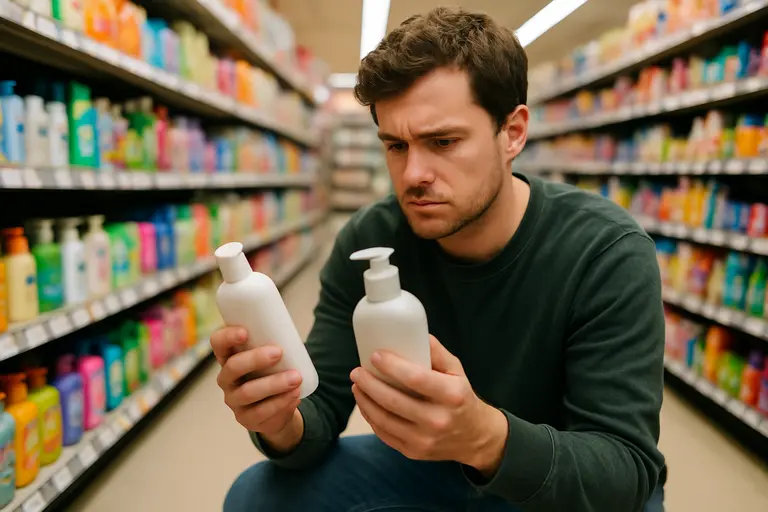
Unscented Product Labeling should be read as a claim to verify, not a complete formula summary. Start with the ingredient list and look for “fragrance,” “parfum,” botanical oils, extracts, or aroma-bearing materials named on the panel. The 2026 cases show that disputes may arise from both generic terms, such as fragrance or parfum, and individually named ingredients.
For people interested in wider beauty-claim accountability, our related note on ingredient transparency in ethical beauty explains why disclosure can affect trust even when a product is not making a medical claim. For readers comparing consumer-disclosure topics across this publishing network, this related site in our network covers similar transparency issues outside personal care.
- Treat “unscented” as a prompt to check the ingredient declaration rather than as proof of no fragrance-related materials.
- Be cautious with adjacent claims such as “hypoallergenic” or “suitable for sensitive skin,” since the 2026 lawsuits show those phrases can also be challenged.
- If you have a known allergy, a history of irritation, pregnancy-related concerns, medication questions, or a skin condition, discuss product choices with a clinician.
Be Careful With DIY Substitutions
As someone who enjoys DIY skincare education, I also want to be clear: replacing a commercial product with essential oils, citrus oils, herbs, or pantry ingredients is not automatically gentler. The research record here is about labeling, not about proving that any named ingredient is harmful for everyone. Personal tolerance varies, and natural-origin ingredients can still be aromatic or sensitizing for some people.
A safer educational takeaway is to keep claims modest. If a product is meant to be fragrance-free, the label should say that clearly and the formula should align. If it is simply low-odor or uses an ingredient for another technical purpose, brands should explain that without leaning on vague comfort language.
Unscented Product Labeling Questions For Clinicians
Unscented Product Labeling litigation in 2026 showed a recurring tension: shoppers may rely on front-label wording, while brands may point to ingredient panels. The FDA labeling baseline and the free-of claim framework both point toward clarity, but the lawsuits described here were fact-specific and should not be treated as proof that every unscented product is mislabeled.
If you are choosing products because of fragrance sensitivity, eczema-prone skin, allergy history, pregnancy, medication use, or another personal health concern, ask a clinician what ingredient categories you should avoid and whether patch testing or allergy evaluation is appropriate. Bring the full ingredient list, not just the front label, so the discussion is based on the formula rather than the marketing claim.