I fell hard for the clean beauty dream. Who wouldn’t? The marketing promised botanical bliss without scary “chemicals.” Then my face staged a rebellion worthy of the French Revolution.
Turns out, my “natural” serum became nature’s chemical weapon against my immune system. Statistics show a shocking 40% increase in cosmetic allergy cases. Ironically, the “clean” products often trigger the worst reactions.
Dr. Manoukian from HeyAllergy explains this perfectly. We’ve created a monster where complex formulations meet marketing genius. Your immune system doesn’t care about your Instagram aesthetic.
It sees plant proteins as foreign invaders. Then it launches the inflammatory equivalent of a drone strike. The real question isn’t why allergies happen – but why we’re surprised when nature fights back.
Modern beauty formulations have become incredibly complex. This complexity creates more opportunities for allergy triggers. Your skin might see these natural ingredients as threats, not treats.
Common Natural Allergens (essential oils, nuts, etc.)
Natural skincare has a secret: nature can be tough. That “pure botanical goodness” might hide allergens. These ingredients can make your skin red and itchy.
The Essential Oil Deception
Essential oils are like the stars of natural skincare. They smell great and promise to heal your skin. But, they’re full of complex chemicals.
Lavender oil, known for its calming effects, has over 100 compounds that can irritate your skin. Tea tree oil, meant to fight bacteria, can actually harm your skin. Citrus extracts, which bring a sunny vibe, can cause sunburn-like reactions.
Some ingredients can trigger allergic reactions in unexpected ways. If ragweed makes you sneeze, chamomile might make you swell. It’s like your immune system playing a game of “six degrees of separation,” but with itching.
Nut-Derived Irritants
Nuts are sneaky in skincare products too. Coconut-derived surfactants might seem harmless, but they can be a problem for some.
Common nut-based irritants include:
- Coconut oil derivatives in cleansers
- Almond oil in moisturizers
- Shea butter in body creams
- Argan oil in hair products
These ingredients often have long names like Cocos Nucifera or Butyrospermum Parkii. They’re like nature’s witness protection for allergens. Eating these foods might be okay, but applying them to your skin can cause a reaction.
The lesson is clear: natural doesn’t mean safe for everyone. Even the purest ingredients can be harmful. Your skin’s immune system doesn’t care about labels – it just sees threats.
How to Spot Allergenic Ingredients
Reading skincare labels is like trying to solve a puzzle blindfolded. The cosmetics world is as clear as mud. Terms like “hypoallergenic” and “fragrance-free” mean little to nothing.
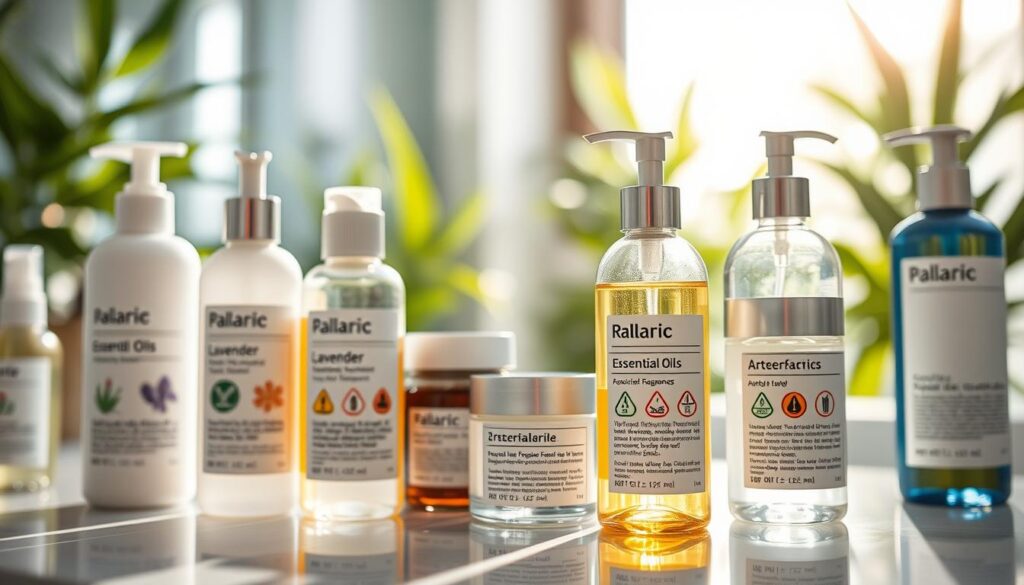
Maya Thompson learned this the hard way. She bought a “fragrance-free” moisturizer, but it caused her skin to break out. “Fragrance-free” doesn’t mean it’s free of things that can cause allergic reactions. It’s a trick to make you think it’s safe, while irritants are hiding in plain sight.
Decoding Label Linguistics
The beauty industry loves to play with words. Here’s what they really mean:
- “Hypoallergenic”: It means whatever the company wants it to. There’s no clear definition or testing. It’s just a marketing term.
- “Fragrance-Free”: It might have other fragrances or oils. The only way to know for sure? Look for allergen declarations.
- “Natural”: This term is completely meaningless. Poison ivy is natural, but you wouldn’t put it on your face.
These terms are like empty promises. They sound good but often don’t deliver.
The INCI Conundrum
The International Nomenclature of Cosmetic Ingredients sounds fancy, but it’s confusing. It’s like a big, complicated system for labeling ingredients.
Don’t worry if you can’t say an ingredient’s name. But if it’s in the first few ingredients and you’ve reacted before? That’s a warning sign.
Fragrance is sneaky. It’s hidden behind names like “parfum” or mixed in with essential oils. Finding these irritants is like a game of hide and seek.
It’s not about knowing every chemical name. It’s about knowing the common culprits and spotting them when they’re disguised.
Patch Testing At Home
Think of patch testing as your skin’s personal security detail. It screens products before they get full access to your face. This simple detective work separates skincare allies from allergy enemies.
The methodology is beautifully simple. Apply a pea-sized amount to your inner forearm – that sensitive strip of skin that rarely lies about reactions. Cover it with a bandage to prevent accidental removal or contamination.
The 48-Hour Rule
Patience isn’t just a virtue here – it’s a necessity. Many reactions take 24-48 hours to appear, like bad takes on social media. Rushing this process is like reviewing a movie after watching only the trailer.
During this period, keep the area dry. No swimming, excessive sweating, or washing the test spot. Think of it as a temporary tattoo of caution.
Reading the Reaction Tea Leaves
Interpreting results requires more nuance than reading a political poll. Look beyond obvious redness for these subtle signs:
- Delayed itching that creeps in after 24 hours
- Subtle swelling that makes skin texture change
- That mysterious tingle that makes you question your life choices
No reaction after 48 hours? Congratulations – you’ve passed the security clearance. A reaction? Well, better on your forearm than your entire face. This method turns a skincare disaster into a minor inconvenience.
Remember: patch testing works for everything from luxury serums to drugstore moisturizers. Democracy in action – all products get equal scrutiny before earning their place in your routine.
Advice for Sensitive Skin
Living with sensitive skin is like being a constitutional monarch. You have the title, but your skin doesn’t agree with anything. It starts with redness and ends with regret, making you question your choices.
Your skin wants less rules and more care. Your skincare routine should be simple, not complicated.
The Less-is-More Philosophy
A 12-step routine is not self-care; it’s a takeover bid against your skin. Think of your bathroom cabinet as the UN Security Council. Too many players cause inflammation.
Lisa Patel’s skin revolution started when she fired her botanical “advisors.” She kept a gentle cleanser, targeted treatment, and moisturizer. Her skin’s approval ratings soared.
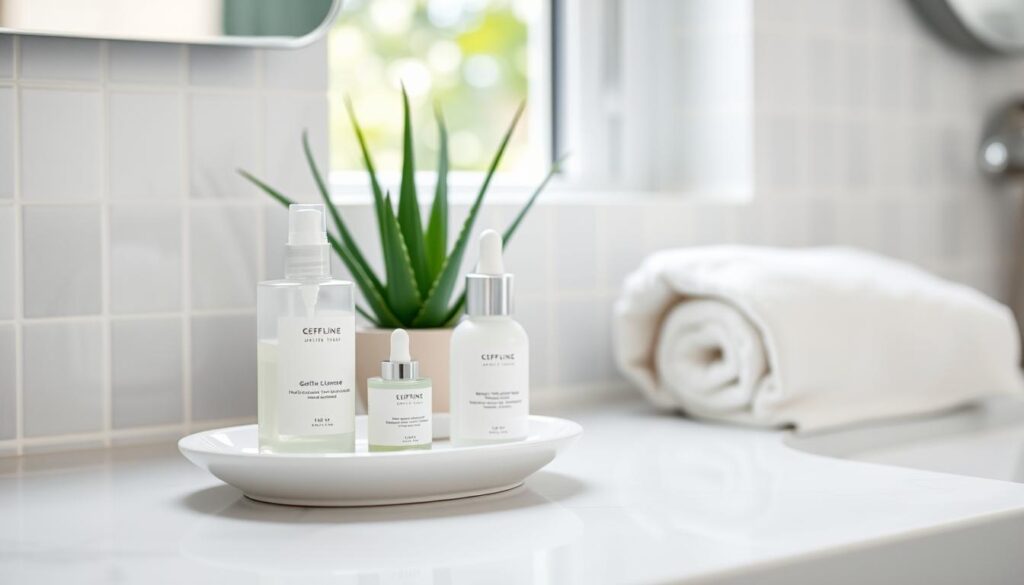
The minimalist approach to natural skincare is not about deprivation. It’s about choosing the best products like the Met Gala red carpet. Only the best get invited.
Barrier Function Bootcamp
Your skin barrier is like homeland security. When it’s weak, everything gets through – allergens, irritants, and judgmental looks.
Moisturizing is not vanity; it’s important. A strong barrier means fewer problems with your environment. Ceramides, fatty acids, and cholesterol are key.
Here’s your basic training manual:
- Pat don’t rub – your face isn’t a genie’s lamp
- Apply moisturizer to damp skin – it’s like giving your barrier hydration with better bioavailability
- Skip the exfoliation obsession – your skin sheds naturally, like a political candidate dropping out after Iowa
The right natural skincare approach means scientifically formulated products. Your skin doesn’t care about marketing poetry; it wants results.
Remember: sensitive skin isn’t a life sentence to boring routines. It’s a chance to declutter your medicine cabinet. Keep only what sparks joy without causing inflammation.
Top Hypoallergenic Clean Brands
Finding hypoallergenic skincare brands is like searching for honest politicians. They’re out there, but you have to look past all the hype. The best brands are those that know chemistry doesn’t have to be bad.
The Transparency Champions
These brands are like open books in a world that loves secrets. They list everything and avoid fragrance. They also explain why they choose certain ingredients.
These brands don’t just avoid irritants; they teach you about ingredients. They’re like professors, but without the boring lectures.
Formulation Philosophy Deep Dive
2250.care is a standout for their reformulation policy. If something doesn’t work, they’ll change it. It’s like a restaurant making your meal without garlic because you’re allergic.
They show how the industry is moving toward true allergen-free products. Customization is key for sensitive skin.
Other brands worth your attention:
- Brands that publish full ingredient decks – no “proprietary blends” nonsense
- Companies that avoid cross-contamination – dedicated facilities matter
- Lines with minimal ingredient lists – sometimes less really is more
“Hypoallergenic” is more marketing than promise. The real heroes are brands that mix science with transparency. They’re like beauty world fact-checkers, calling out fake claims and providing real solutions.
These champions show that avoiding irritants doesn’t mean losing effectiveness. They offer smarter, more scientific skincare without the fuss.
Key Takeaways
Nature’s great deception lies in “natural” labels. They often hide irritants in skincare. Your immune system reacts to molecules, not marketing.
Patch testing is now a must. It’s a 48-hour test to find safe products. Smart shoppers read ingredient lists carefully, spotting dangers.
When natural skincare irritates, expert help is key. Sites like HeyAllergy connect you with allergists. They know science and industry tricks.
Good skin comes from avoiding irritants, not just looking good. Be cautious, test products, and seek expert advice. Your skin is worth it.