
The world of personal care is changing. More people are thinking about what they put on their skin and where it comes from. This shift toward conscious consumerism is powerful.
Making a positive impact doesn’t require a complete overhaul. Often, it’s about small, smart choices. This guide focuses on practical alternatives for your daily routine.
These changes support a healthier planet and align with ethical values. You can reduce waste, avoid harmful chemicals, and choose compassion. Every product switch is a vote for the future you want.
We’ll explore straightforward upgrades for common items. From packaging to ingredients, each suggestion is designed to be effective and accessible. Let’s build a more sustainable and kind regimen together.
Principles: reduce, refill, recycle, respect animals
At the heart of sustainable beauty is a simple yet powerful framework. It includes reducing, refilling, recycling, and respecting animals. This isn’t about buying expensive products or achieving perfection overnight. It’s about making a lifestyle shift that acknowledges our shared home on Earth.
Think of your beauty routine as part of a larger environmental cycle. The average American throws away over 90,000 tons of trash in a lifetime. Much of it is single-use plastic packaging. This waste doesn’t just clutter landfills; it leaks into ecosystems, impacting wildlife and human health. A conscious beauty routine directly addresses this cycle at its source.
- Reduce: This is the first and most impactful step. It means critically evaluating what you truly need. Before purchasing a new product, ask if you can use up what you have, find a multi-purpose alternative, or simply go without. Reducing consumption cuts down on the resource extraction, manufacturing energy, and packaging waste before it even begins.
- Refill: This principle is a game-changer for interrupting the waste stream. Instead of buying a new bottle every time, seek out brands that offer refillable containers. You keep the durable outer bottle and simply purchase a pouch or cartridge of the product to refill it. This can reduce plastic waste from that item by 70% or more.
- Recycle: Recycling is important, but it must be done right. Always rinse containers thoroughly to avoid contaminating the recycling stream. Check your local municipality’s rules—what’s recyclable varies widely. Remember, recycling is a last resort after reducing and reusing. It’s a way to manage waste, not a license for endless consumption.
- Respect Animals: A truly eco-friendly beauty lifestyle extends compassion to all living beings. This means choosing products that are cruelty-free and not tested on animals. It also means understanding how plastic pollution and certain chemical ingredients directly harm wildlife. Microplastics from exfoliants and packaging are ingested by marine life, causing immense suffering.
The refill model is powerful because it tackles the problem of packaging at its core. Many innovative beauty brands now offer sleek, permanent containers designed to be refilled countless times. This shift not only saves resources but often saves you money in the long run.
When we discuss respecting animals, we’re connecting our choices to a larger picture. The same plastic bottle that holds a cleanser can break down into fragments that choke sea turtles or enter the food chain. By reducing plastic use and choosing ethically sourced, plant-based ingredients, you actively lessen this harm.
Adopting these principles transforms your approach from a scattered effort into a coherent strategy. You move from feeling guilty about waste to feeling empowered by your informed decisions. This framework makes building a cruelty-free, low-waste beauty practice logical and achievable, one simple swap at a time.
Packaging swaps: glass/refill pouches, aluminum, PCR plastics, take‑back programs
Eco-friendly beauty is more than just what’s inside. It’s also about the packaging. The bottles, jars, and tubes we use create a lot of waste. Making smart swaps is a big step towards reducing our impact.
Refillable systems are the best way to cut down on single-use waste. It’s like using your own jar at a bulk store. Many beauty brands now offer refill pouches or stations. You buy a durable container once and then refill it with cheaper, eco-friendly pouches.
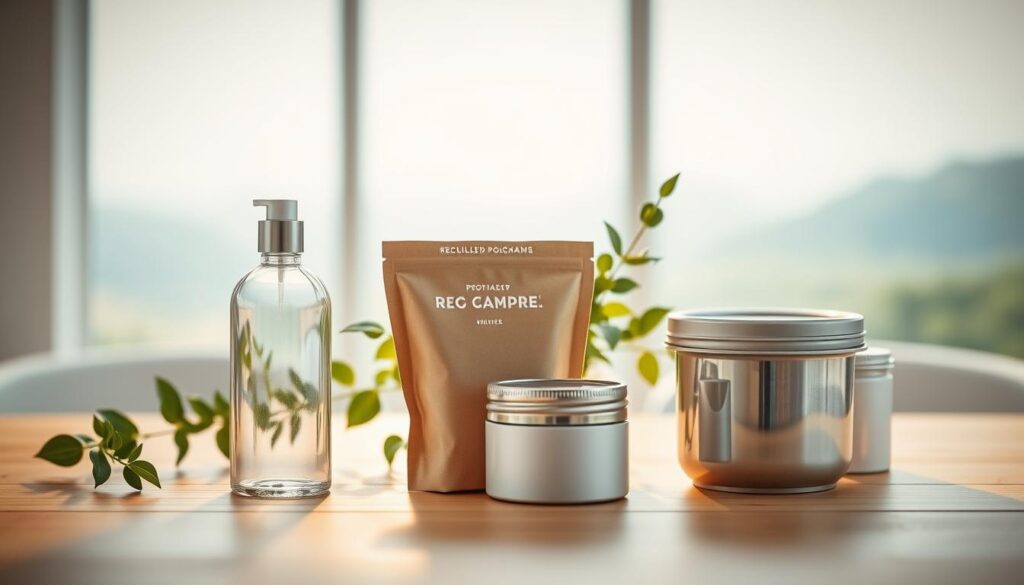
This approach greatly reduces plastic use. It’s a clear example of reducing waste. Brands like Ethique use concentrated bars and no plastic packaging. For everyday items like moisturizer or shampoo, a refillable skincare system is both good for your wallet and the planet.
Choosing the right material for your containers is important. Not all packaging is created equal. Here’s a quick guide to the most sustainable options:
| Material | Key Benefit | Best For | Recycling Note |
|---|---|---|---|
| Glass | Inert and non-porous; protects product integrity. | Serums, toners, face oils. | Infinitely recyclable if cleaned properly. |
| Aluminum | Lightweight, infinitely recyclable, and blocks light/air. | Deodorants, lip balms, toothpaste (like David’s Natural). | Highly recycled; a closed-loop champion. |
| PCR Plastic | Gives existing plastic waste a new life. | Pump bottles, squeeze tubes. | Supports a circular economy; check local rules. |
| Refill Pouches | Uses up to 80% less plastic than a new bottle. | Refills for lotions, cleansers, conditioners. | Often made from flexible plastics; check brand recycling. |
Glass is a top choice because it doesn’t leach chemicals and feels luxurious. Aluminum is strong, great for travel, and can be recycled forever. PCR plastic is a good middle ground, using recycled plastic instead of new.
But what about items that are hard to recycle? That’s where take-back programs come in. Companies like L’Occitane and Kiehl’s let you return empty containers. They handle the recycling or repurposing, making it easy for you.
For travel, use reusable pouches like Stasher bags. They’re better than single-use plastic bags. It’s a simple way to keep your routine green and organized.
By focusing on packaging first, you lay the groundwork for a sustainable beauty routine. You invest in durable materials, support circular systems, and cut down on waste. Next, swap out the products inside those better bottles.
Product swaps: solid bars, concentrated serums, multi‑use tints, reusable rounds, menstrual cups for body‑care alignment
Changing the items in your bathroom can help the environment more than just switching packaging. It’s about picking products that are efficient and waste-free from the start. This daily choice can make a big difference.
Solid bars are key to a low-waste routine. They cut out the need for liquid and plastic bottles. Solid shampoo and conditioner bars can last as long as two or three liquid bottles.
They’re also great for travel. Bar soap is a better choice than liquid body wash in plastic pumps. Brands like Ethique offer solid body butter, showing even moisturizers can be in bar form.
Concentrated serums and cleansers are smart picks. They’re potent, so you only need a few drops. This means fewer shipments, which cuts down on emissions.
Multi-use products help simplify your collection. A lip-and-cheek tint can replace two items. This approach means fewer products to buy and store.
Reusable rounds make a big impact. They replace disposable cotton pads with washable options. One pack can last hundreds of years, replacing single-use pads.
Linking body care with period care is logical. Traditional tampons create a lot of waste. Menstrual cups or period underwear are reusable, healthier, and cheaper.
| Product Type | Key Benefit | Example / Swap Tip |
|---|---|---|
| Solid Bars | Eliminates plastic bottles, long-lasting, travel-friendly | Solid shampoo bar, bar soap, solid conditioner |
| Concentrated Serums | Uses less product per application, reduces shipping frequency | Potent facial serum, concentrated cleanser |
| Multi-Use Products | Minimizes number of items needed, simplifies routine | Lip and cheek tint, 2-in-1 cleanser and mask |
| Reusable Rounds | Replaces hundreds of disposables, reduces textile waste | Bamboo cotton rounds, organic cotton pads |
| Period Care Alternatives | Dramatically reduces single-use waste, cost-saving over time | Menstrual cup, period underwear, reusable pads |
These swaps help create a low-impact beauty routine. Start with one change, like a solid shampoo bar or reusable rounds. Each swap brings you closer to caring for your skin and the planet.
Water/energy wise habits: short showers, cold‑water laundry for towels, travel minis done right
Your beauty routine’s environmental impact isn’t just about product swaps. Using water and energy wisely is just as important. Sustainable beauty is about daily habits and ethical products.
Start with water. Shortening your shower time is a big win. Every minute less saves gallons of water. Also, turn off the tap while washing your face or brushing teeth. This stops clean water from going to waste.
Next, focus on energy conservation. A lot of energy is used to heat water for laundry. Washing your beauty towels, washcloths, and reusable pads in cold water makes a big difference.
Cold-water washing works well, thanks to plant-based detergent. It saves energy and keeps fabrics in good shape. Using wool dryer balls also cuts down on drying time and static, saving even more energy.
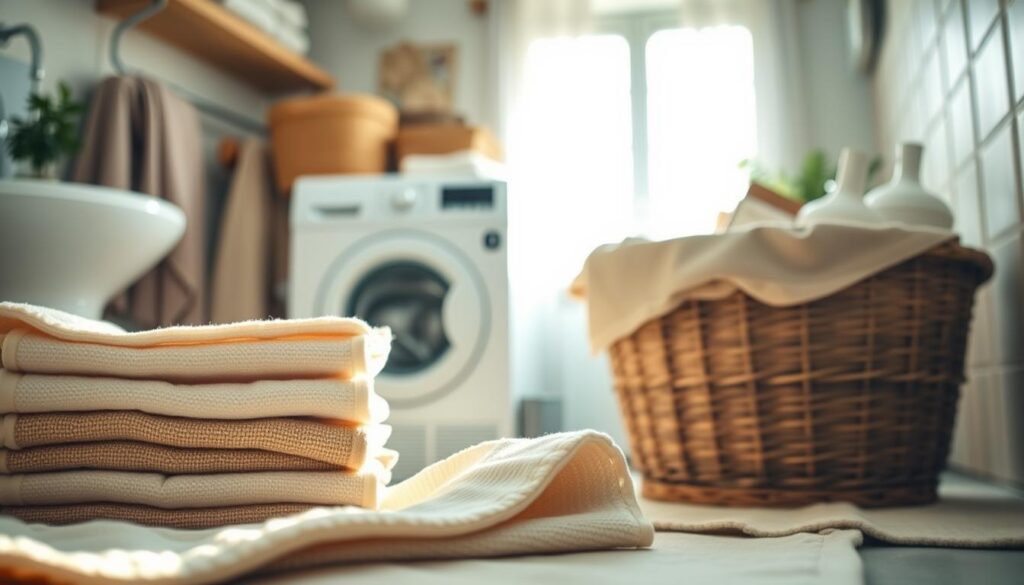
Travel can be a challenge for sustainability. Those tiny hotel bottles are a big source of waste. To travel sustainably, prepare with your own solutions.
Here are your best options:
- Reusable Silicone Containers: Brands like Stasher offer durable, leak-proof pouches for shampoos, serums, and creams. Fill them with your favorite products from home.
- Solid Format Products: Shampoo bars, solid conditioners, and moisturizing balms eliminate liquid waste. They’re TSA-friendly and create zero plastic waste.
- Multi-Use Items: A tinted moisturizer with SPF can replace foundation, sunscreen, and moisturizer. This reduces the number of items you need to pack.
Plan your sustainable travel kit ahead of time. This prevents wasteful, single-use mini purchases.
Combining these habits saves a lot. Short showers, cold-water laundry, and mindful packing make your beauty routine eco-friendly. It’s a smart way to use resources and extend product life every day.
Ingredient lens: palm sourcing, microplastics, reef‑safe SPF notes
Choosing ingredients is where your beauty routine meets the world. It’s about more than just packaging. It’s about how these choices affect forests, oceans, and our bodies. This careful look helps you avoid toxins and support animal welfare.
Palm oil is used in many products for its texture and stability. But, its common use leads to deforestation and harms animals like orangutans. This hurts biodiversity and adds to climate change.
There are two ways to go. Look for products with RSPO (Roundtable on Sustainable Palm Oil) Certified palm oil. This supports better farming. Or, choose palm-oil-free products. Many shampoos and cleansers now avoid palm oil, making you feel good about your choices.
Microplastics: The Invisible Invader
Microplastics are small plastic pieces in products like scrubs and cleansers. They can harm our waterways and even get into our bodies. They’re found in marine life and humans too.
It’s important to pick products without these plastics. Use natural exfoliants like jojoba beads or sugar instead. Always check the labels to stop plastic pollution.
| Ingredient Concern | Common Names on Labels | Eco-Friendly Alternative |
|---|---|---|
| Unsustainable Palm Oil | Palm Oil, Palmitate, Sodium Lauryl Sulfate (can be palm-derived) | RSPO Certified Sustainable Palm Oil or Palm-Oil-Free formulas |
| Microplastics | Polyethylene (PE), Polypropylene (PP), Nylon-12 | Natural exfoliants (jojoba beads, sugar, salt) |
| Non-Reef-Safe SPF Filters | Oxybenzone, Octinoxate, Homosalate, Octocrylene | Mineral (Zinc Oxide, Titanium Dioxide) Reef-Safe SPF |
Choosing a Truly Reef-Safe SPF
Your sunscreen choice affects the ocean. Look for reef-safe spf formulas without oxybenzone and octinoxate. These chemicals can harm coral reefs and marine life.
Choose mineral-based sunscreens with zinc oxide or titanium dioxide. These sit on your skin and are safer for the ocean. Always check the ingredients, as “reef-friendly” isn’t regulated.
Switching to reef-safe sunscreen is a big step. It helps protect marine animals and keeps your beach days enjoyable.
By carefully choosing ingredients, you make better choices for your skin, wildlife, and the planet. This is key to a cruelty-free beauty lifestyle.
Build a monthly swap plan + budget; avoid greenwashing with certifications
Creating a lasting eco-friendly beauty routine is simple. Start with one easy change, like using a solid shampoo bar. This helps build a habit without feeling overwhelmed.
Make a monthly budget for your swaps. Changes like concentrated serums or reusable cotton rounds can save money. This makes up for any initial cost.
Don’t fall for greenwashing. Learn to trust certifications, not just marketing. Look for the Leaping Bunny logo for cruelty-free products. Also, check for Fair Trade, FSC for paper, and EWG Verified for safe ingredients.
Recycling is key, but start with reducing and reusing. Clean containers and check local recycling rules. This ensures your recycling efforts are effective.
Keep track of your progress. Note each swap and its impact. This journey is about making informed choices. It leads to a cleaner beauty routine and a healthier planet.