
Hormonal skincare often gets framed as a product problem, but the more useful approach is slower and more evidence-aware: identify what the skin is experiencing, read ingredient claims carefully, and separate comfort-focused cleansing from medical care. Sacred Rituel’s Cosmic Cleansing Oil is marketed for people experiencing perimenopausal and post-menopausal skin changes, especially dryness, sensitivity, and a weakened-feeling barrier. Based on the available product information and launch materials, it is best evaluated as a gentle oil cleanser with botanical oils, herbs, flowers, and essential oils rather than as a treatment for hormonal changes themselves.
Hormonal Skincare Context For Oil Cleansing
Skin can feel different during perimenopause and after menopause. The research notes describe dryness, thinning, and increased sensitivity as common concerns during hormonal fluctuation. Sacred Rituel’s launch announcement also states that estrogen decline is associated with a 30% reduction in collagen in the first five years after menopause, which may contribute to thinner and less elastic skin Sacred Rituel announcement. That context matters, but it should not lead shoppers to expect a cleanser to correct collagen loss or change hormone activity.
Hormonal Skincare During Perimenopause
Hormonal skincare during perimenopause is often less about aggressive exfoliation and more about reducing avoidable irritation. If skin already feels dry or reactive, a cleanser that leaves a tight feeling may be poorly matched to the routine. Cosmic Cleansing Oil is positioned as a cleansing oil designed to dissolve makeup, SPF, and daily buildup without stripping the skin. That is a practical cleansing claim, not proof that the product can address the underlying hormonal factors behind skin changes.
What A Cleanser Can And Cannot Do
A cleanser has a short contact time and is usually rinsed or removed, so expectations should stay realistic. An oil cleanser may help remove sunscreen and makeup more comfortably than some foaming products, especially for people who dislike a squeaky-clean finish. It cannot diagnose dryness, treat inflammatory skin conditions, replace prescription care, or determine whether symptoms are related to hormones, medication, allergy, environment, or another factor. If dryness, stinging, rash, sudden sensitivity, or persistent irritation is present, a clinician or dermatologist can help sort out the cause.
Ingredient Transparency In Cosmic Cleansing Oil
The strongest educational value in reviewing Cosmic Cleansing Oil is its ingredient transparency. The product page states that the formula contains 22 certified organic ingredients: 10 cold-pressed botanical oils, 8 whole-plant herbs and flowers, and 4 steam-distilled essential oils Cosmic Cleansing Oil product details. For shoppers who prefer plant-based products, that level of categorization makes the formula easier to examine. It also gives sensitive-skin users more information to compare against known personal triggers.
Certified Organic Oils, Herbs, And Essential Oils
The research notes identify jojoba, sweet almond, passionfruit, rosehip, camellia, pomegranate, and baobab among the oils or vitamin-associated ingredients discussed by the brand. They also identify arnica, chamomile, calendula, frankincense, rosemary, geranium, and bergamot as part of the botanical or aromatic story. From an ingredient-transparency standpoint, the helpful question is not whether a plant ingredient sounds appealing. The more useful question is what role it is meant to serve in the finished formula: cleansing slip, emollience, aroma, skin-feel, or barrier comfort.
Vitamins And Barrier-Oriented Ingredients
The research notes state that the oil provides natural vitamin A from rosehip and camellia, and vitamin C from rosehip, pomegranate, and baobab. They also describe jojoba, sweet almond, and passionfruit oils as ingredients that mimic aspects of the skin’s natural sebum and may aid hydration and barrier support. This is relevant to hormonal skincare because barrier comfort is a common concern when skin feels drier or more sensitive. Still, vitamin presence in a cleanser should not be equated with the effect of a leave-on treatment or a clinician-directed plan.
Benefits And Limits Of A Botanical Oil Cleanser
Cosmic Cleansing Oil appears most sensible for people seeking a cushiony cleansing step rather than a high-lather wash. Oil cleansing can be attractive for removing makeup and SPF because oils can help loosen oil-soluble residue. The product is also described as multi-use: beyond cleansing, the research notes say it can be used for facial massage, moisturizing, and men’s grooming. Multi-use positioning can be convenient, but each use changes exposure time and skin contact, so sensitive users may want to introduce it slowly.
Gentle Cleansing Claims
The brand’s core benefit claim is gentle cleansing without the tightness or dryness associated with some traditional cleansers. For hormonal skincare routines, that may be a reasonable product category to consider if the main complaint is discomfort after washing. A cautious routine would still observe how the product performs with the rest of the regimen: sunscreen, retinoids, exfoliants, makeup, shaving products, or prescription topicals can all affect tolerance. If a product stings, burns, or worsens irritation, continuing simply because it is botanical is not a careful strategy.
Sensitivity, Fragrance, And Essential Oils
The aroma profile is part of the product’s appeal. The research notes mention rosemary, geranium, bergamot, and frankincense essential oils and describe the scent as uplifting and soothing. Aroma can make a routine feel more pleasant, but essential oils are still active fragrance components from a tolerance standpoint. People with fragrance sensitivity, allergy history, rosacea-prone skin, eczema-prone skin, or unexplained irritation may need extra caution and should consider clinician guidance before relying on fragranced products.
How To Read Product Claims Carefully
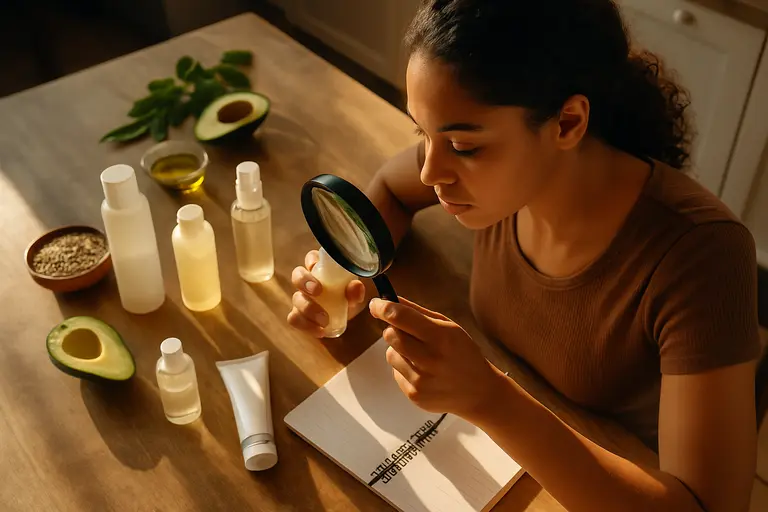
Cosmic Cleansing Oil is described in the research notes as non-comedogenic and free from hormone disruptors. Those claims will matter to many shoppers, particularly people trying to avoid pore-clogging textures or ingredients they do not want in a daily routine. The careful reading is that these are product-positioning claims; they do not guarantee that every person will tolerate the oil or avoid breakouts. Individual response can vary by skin type, climate, medications, other products, and frequency of use.
Non-Comedogenic And Hormone-Safe Wording
“Non-comedogenic” is helpful language, but it is not a universal promise. A person can still react to a formula that is labeled that way, especially if they are acne-prone or using several rich products at once. “Hormone-safe” wording also deserves careful interpretation. A topical cleanser is not a substitute for medical evaluation of menopausal symptoms, hormone-related concerns, or skin changes that are sudden, painful, or persistent. In a cautious hormonal skincare plan, label claims are a starting point for questions, not the final answer.
Ethical Beauty And Community Wellness
Ingredient transparency supports more ethical beauty choices because it helps shoppers ask better questions: What is certified organic? Which ingredients create the scent? Which ingredients are essential oils? Is the product compatible with sensitive skin? Readers who compare wellness education across community resources may find CPCWA valuable as it is a related site within the same network, emphasizing clarity over hype. For broader routine support beyond products, sleep, movement, and recovery habits are discussed in this related piece on daily recovery rituals.
- Patch test cautiously when trying a new botanical or fragranced product.
- Use the cleanser as directed rather than assuming more frequent use is better.
- Track irritation, dryness, clogged pores, or stinging after introducing it.
- Ask the brand for clarification if “hormone-safe” or sourcing claims are unclear.
- Discuss persistent or changing skin symptoms with a qualified clinician.
Cosmic Cleansing Oil And Clinician Questions
Cosmic Cleansing Oil is most fairly described as a botanical oil cleanser designed for comfort, makeup and SPF removal, and barrier-supportive skin feel during a life stage when dryness and sensitivity may be more noticeable. Its ingredient list is detailed, and the formula’s oils, herbs, flowers, and essential oils give shoppers concrete details to evaluate. The limitations are just as clear: the available sources are brand-controlled product and launch materials, not independent clinical trials showing outcomes for perimenopausal or post-menopausal users.
For someone building a hormonal skincare routine, the useful next step is not to ask whether one cleanser is the answer. Better questions include: Is my skin dry because of cleansing, climate, medication, over-exfoliation, or a medical condition? Are fragranced essential oils appropriate for my skin history? Should I avoid certain ingredients during pregnancy, cancer treatment, hormone therapy, or prescription skin care? Could a dermatologist help assess thinning, persistent redness, itching, or sudden sensitivity? Personal health decisions belong with a clinician who can consider your history, medications, and symptoms.