
DIY natural alternatives can feel reassuring after recent findings on chemical ingredients in cosmetics, especially for shoppers who care about cruelty-free choices and ingredient transparency. Still, homemade skincare is not automatically safer than a commercial product. The safer question is narrower: which recipes reduce unnecessary exposure, which create new risks, and which should be left to tested cosmetic formulas or clinician-guided care?
Why DIY Natural Alternatives Need Caution
DIY Natural Alternatives And PFAS Context
On December 29, 2025, the U.S. Food and Drug Administration released a report under the Modernization of Cosmetics Regulation Act of 2022 stating that PFAS were intentionally added in more than 1,700 cosmetic formulations. The FDA also reported that toxicological data for most of the 25 most frequently used PFAS, which accounted for about 96% of intentional PFAS use, were incomplete or unavailable FDA PFAS report. That wording matters. The report did not say every PFAS-containing cosmetic caused harm in ordinary use; it said the available data were not enough to determine safety for many of these ingredients.
For a cautious shopper, that finding supports a practical shift toward fewer products, clearer labels, and more questions for brands. It does not prove that every homemade balm, mask, scrub, or oil blend is safe. A kitchen recipe can avoid a listed fluorinated ingredient and still be poorly preserved, too acidic, irritating, or unsuitable for a specific skin condition.
What Recent PFAS Findings Did And Did Not Show
A December 2025 screening study of 64 beauty and personal care products reported that items labeled with fluorinated ingredients had much higher PFAS levels, including oxidizable precursors, than products without those listed ingredients. The study also estimated a median dermal exposure of 1.28 ng/kg body weight/day for those products, which the authors compared with European Food Safety Authority thresholds PFAS screening study. This kind of research can help consumers spot patterns, but it should not be stretched into a claim that a single cosmetic use predicts an individual health outcome.
The useful lesson is label literacy. Ingredients with “fluoro” language deserve extra attention, and long-wear or water-resistant cosmetic claims may warrant closer reading. At the same time, absence of one ingredient category does not make a product or recipe universally low risk. Sensitivity, barrier condition, age, pregnancy, medication use, and existing skin concerns can change what is appropriate. A clinician or dermatologist can help interpret personal risks.
Where Homemade Remedies Can Fit
Lower-Risk Recipe Formats
Homemade beauty works best when expectations stay modest. A dry body scrub mixed immediately before use, for example, is easier to reason about than a water-based cream stored for weeks. An oil blend used on intact, non-irritated body skin may be simpler than a multi-ingredient face mask with fresh produce, water, powders, and fragrance materials. If you enjoy making body exfoliants, our article on natural body scrubs discusses texture, friction, and freshness rather than treating “natural” as a safety guarantee.
For DIY natural alternatives, the strongest use case is usually control: fewer ingredients, no animal-derived additions if that aligns with your ethics, and no reliance on vague marketing language. Control is not the same as testing. Commercial cosmetics may have stability testing, microbial checks, packaging compatibility reviews, and preservative systems. A home recipe usually does not.
Ingredients That Need Extra Skepticism
Several DIY categories deserve a firm pause. Homemade sunscreen recipes are a clear example. Research notes from August 2025 found that social-media sunscreen recipes often used oils, beeswax, essential oils, and other “natural” ingredients, but generally lacked scientific testing for actual SPF, water resistance, and longer-term safety. That is a major gap because sunscreen performance depends on tested actives and the finished formula, not on whether the ingredient list sounds botanical.
Water-based masks and creams are another concern. Updated 2026 guidance in the research notes identified three repeated gaps in typical DIY skincare: preservation, pH control, and proven active penetration. A cream or mask containing water or botanical material can grow bacteria or mold within days, even when it looks and smells normal. Lemon juice is also a poor shortcut for “brightening” because its pH is about 2, and the research notes associate it with sun-induced chemical burns known as phytophotodermatitis. That risk is especially relevant for recipes applied before outdoor exposure.
Label Reading Still Matters
PFAS Names And Fluorinated Clues
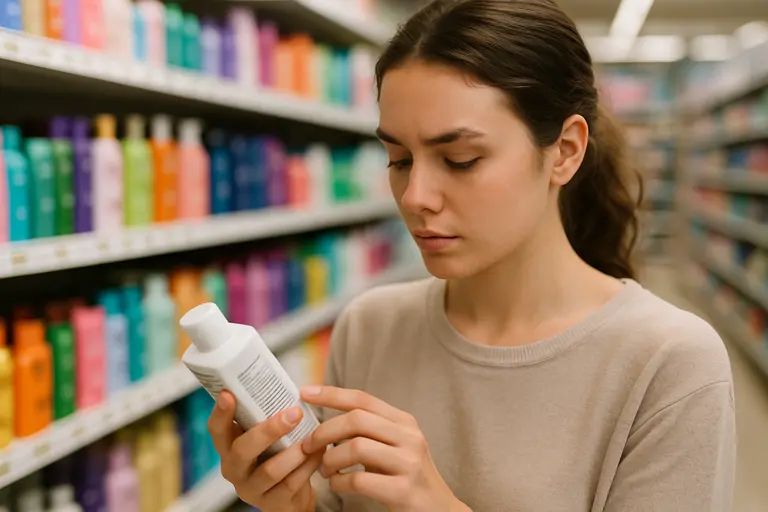
Ingredient transparency is not anti-science; it is a way to ask better questions. Recent PFAS findings suggest that consumers should pay attention to fluorinated wording on cosmetic labels, especially in products marketed for long wear, slip, or water resistance. The FDA’s finding of insufficient data for many intentionally used PFAS supports caution, not panic.
DIY natural alternatives may reduce contact with some synthetic film-formers or long-wear ingredients if they replace optional color cosmetics or fragranced leave-on products. Yet substitution should be specific. Replacing a tested moisturizer with an unstable homemade cream may trade one uncertainty for another. Replacing a fragranced product with a simple, fresh, single-use preparation may be more reasonable for some people, provided the skin is intact and the recipe is not acidic, abrasive, or contaminated.
Cruelty-Free Ethics And Transparency
As an ethical beauty advocate, I see cruelty-free skincare as more than a bunny symbol. It also includes clear sourcing, honest limits, and respect for people whose skin does not tolerate trendy ingredients. Plant-derived does not always mean gentle. Essential oils can be biologically active, fragrant botanicals can irritate some users, and natural preservatives are still chemicals that require appropriate concentration and testing.
Transparency also means admitting what a home maker cannot verify. Most people cannot measure microbial load, preservative efficacy, heavy metal contamination, SPF, water resistance, or long-term stability in a kitchen. Readers comparing education across related lifestyle sites in the same network may come across broader resources such as this related lifestyle site to explore a variety of related topics, but cosmetic safety decisions should be grounded in ingredient lists, credible evidence, and professional advice where needed.
| Choice | Potential Benefit | Main Limitation | Cautious Use |
|---|---|---|---|
| Fresh dry scrub | Simple ingredient control | Can be too abrasive | Mix small amounts and avoid irritated skin |
| Oil-only balm | No water phase | May not suit acne-prone or sensitive skin | Patch test and keep the formula simple |
| Water-based mask | Easy to make | Microbial growth can occur within days | Use immediately and discard leftovers |
| Homemade sunscreen | Appeals to natural shoppers | Usually lacks SPF and water-resistance testing | Use properly tested sunscreen instead |
DIY Natural Alternatives Questions To Ask A Clinician
Skin History, Pregnancy, And Medication Context
If DIY natural alternatives are part of your routine, bring the actual ingredient list to a clinician or dermatologist, especially if you have eczema, rosacea, acne, allergies, a history of contact dermatitis, pregnancy, breastfeeding, or medication use that changes sun sensitivity. This is not about fear. It is about matching exposure decisions to personal context rather than internet popularity.
Ask whether a recipe is appropriate for the body area where you plan to use it. Facial skin, eyelids, lips, underarms, and recently shaved skin may react differently than arms or legs. Also ask whether acidic ingredients, essential oils, exfoliating particles, or occlusive oils are a concern for your situation. For children, adolescents, and people with chronic skin conditions, professional input is especially valuable.
Practical Questions Before Mixing
Before making a recipe, ask: does it contain water, fresh plant material, dairy, or food ingredients; how long will it be stored; is the pH known; is it intended for sun exposure; and is there any claim that it can replace a tested product such as sunscreen? If the recipe depends on a health claim, skip it unless a qualified clinician supports that use for you.
Homemade remedies can be enjoyable, low-waste, and aligned with cruelty-free values when they stay simple and realistic. The recent PFAS findings make a strong case for ingredient transparency, but they do not make every kitchen formula safe. Use DIY beauty for modest cosmetic care, avoid recipes that need laboratory testing to work safely, and discuss personal skin decisions with a qualified clinician.