Your skin deserves better than what most drugstore creams offer. I’ve looked at countless face creams and found that nature often beats the lab.
We’re talking about creams that would impress even French pharmacists. Imagine creams made from wild plants from Jackson Hole and argan shells saved from beauty waste.
This isn’t just about skincare. It’s a fight against Big Beauty’s love for synthetic stuff. Your skin shouldn’t look like a dried apricot. There are ceramide-rich creams that really get what your skin needs.
We’ll see why the best natural moisturizer isn’t just for yoga moms. It’s for anyone who wants their skin to look real. From BKIND’s simple approach to Alpyn Beauty’s mountain magic, these creams prove great skin doesn’t need a science degree.
Understanding Your Skin’s Unique Needs
Your skin type is not just a quiz result. It’s your unique biological fingerprint that needs special care. I learned this the hard way when I used a “universal” moisturizer. It made my combination skin both dry and oily at the same time.
Dermatologists Dr. Harold Lancer and Dr. Jennifer Levine say understanding your skin is like solving a biological puzzle. Dry skin needs rich moisturizers that make even the most dramatic makeup look subtle. On the other hand, oily skin requires light, non-greasy moisturizers to avoid a greasy mess.
But here’s a surprising fact: even acne-prone skin needs moisture. Skipping moisturizer because you have oily skin is like not watering a plant. Your skin barrier needs help, no matter your skin type.
So, what do different skin types really need?
- Dry skin: It’s thirsty for occlusives that keep moisture locked in like a safe
- Oily skin: It needs ingredients that hydrate without making it shiny
- Combination skin: It requires careful application – use richer products on cheeks, lighter ones on the forehead
- Sensitive skin: It needs calming ingredients that won’t cause inflammation
Knowing your skin type is key to waking up with a glow, not just sweat. It’s not about following trends. It’s about understanding your unique biological makeup.
Criteria: What Makes a Moisturizer ‘Natural’
“Natural” on a moisturizer label is like “all-natural” on chips – it’s true if you count petroleum as natural. The term has been stretched too thin.
True clean beauty means using ingredients your grandma would approve of, not just adding a leaf to the packaging.
- Ingredient transparency: Can you say what’s in the jar?
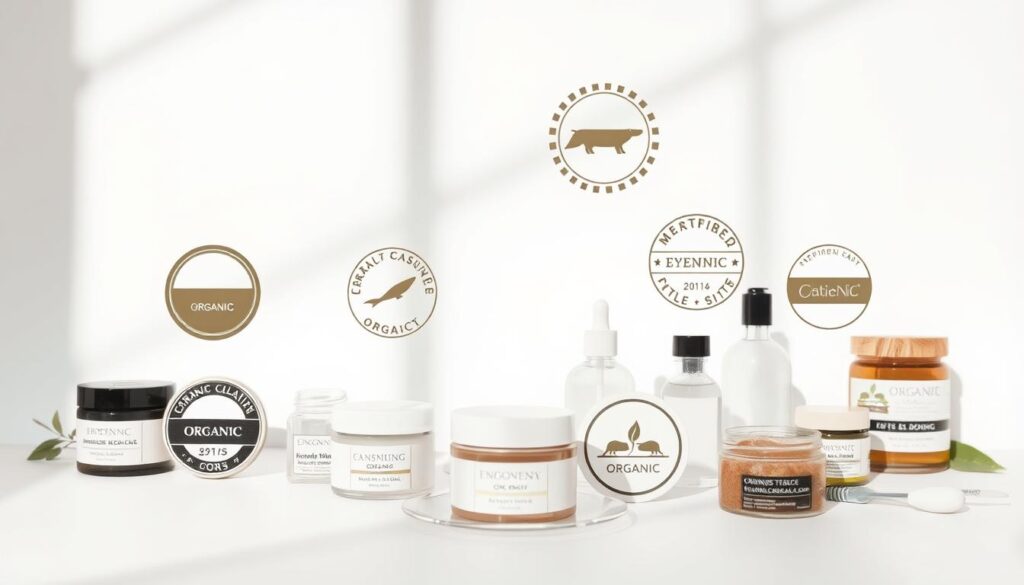
- Certification credentials: Look for USDA Organic, Ecocert, or COSMOS.
- Ethical sourcing: Were farmers paid well for the ingredients?
- Sustainable practices: Does the company care about the environment?
Certifications like USDA Organic and Ecocert are important. They ensure products meet strict standards.
Some brands claim to be natural but aren’t. They might use one natural ingredient and lots of chemicals. It’s like adding a kale leaf to a bacon cheeseburger.
Real natural products focus on botanicals. They use cold-pressed oils and wildcrafted herbs. And they don’t need harsh preservatives.
This isn’t just about avoiding bad stuff. It’s about making products that respect the earth, farmers, and your skin. The key difference is in how they source ingredients and their environmental impact.
| Certification | Organic Requirement | Sustainability Focus | Animal Testing |
|---|---|---|---|
| USDA Organic | 95% minimum | Moderate | Prohibited |
| Ecocert | 50% minimum | High | Prohibited |
| COSMOS | 20% minimum | Very High | Prohibited |
| Non-Certified “Natural” | 0% guaranteed | Unknown | Possible |
The best natural moisturizers come from companies that walk their talk. They tell you where their ingredients come from and how they’re harvested. This honesty is what makes true clean beauty stand out.
Want to take charge of your skincare? Try making your own DIY face moisturizer with natural ingredients. When you make it yourself, you know exactly what’s in it.
Remember, real natural skincare should be easy to understand. If the ingredients list looks like a science experiment, it probably is.
Top Picks for Dry, Oily, Sensitive, and Combination Skin
After testing many moisturizers, I’ve found the “Skincare Justice League.” These products deliver great results without breaking the bank. Let’s look at the best for each skin type.
For those with dry skin, Wildcraft Care’s Restore Cream is like a warm blanket. Satya Basics’ organic concoction fights eczema like a superhero.
Oily skin? BKIND’s water-free formula and Skinfix’s Barrier+ Gel Cream keep you hydrated without oiliness. They’re the balance you need in face cream.
Combination skin? Cocoon Apothecary’s Rosey Cheeks moisturizes dry areas and controls oil. It’s the perfect middle ground.
Sensitive skin? Illiyoon’s Ceramide Cream is so gentle, it’s safe for newborns. La Roche-Posay Toleriane Double Repair guards your skin like a bouncer.
Each product has its own natural skincare philosophy. UpCircle uses coffee grounds, Alpyn harvests wild plants, and Glow Recipe offers vitamin C without chemicals.
Here’s a quick guide to your new skincare allies:
| Skin Type | Hero Product | Key Benefit | Natural Highlight |
|---|---|---|---|
| Dry | Wildcraft Care Restore | Intense hydration | Fatty acid complex |
| Oily | BKIND Superfruit | Oil-free moisture | Water-free formulation |
| Sensitive | Illiyoon Ceramide | Barrier protection | Fragrance-free |
| Combination | Cocoon Rosey Cheeks | Zone-specific care | Adaptogenic herbs |
The best face cream isn’t the most expensive. It’s the one that understands your skin. These picks are smart choices from waste-repurposing to mountain botanicals.
Your skin doesn’t need a complicated routine. It needs one great face cream. Find your match and watch your skin improve like a well-trained dog.
Ingredient Spotlight: What to Embrace, What to Avoid
Think of your skincare routine like a political debate. Some ingredients are worth your vote, while others should be kicked out. Your face doesn’t need chemical soup pretending to be natural moisturizer.
Let’s look at the top skincare ingredients. These are the ones that work hard for your skin:
- Ceramides: They keep moisture in and bad stuff out
- Niacinamide: It reduces redness and oil, like a superhero
- Bakuchiol: A natural retinol that’s safe from the sun
- Squalane: It locks in moisture without making your skin oily
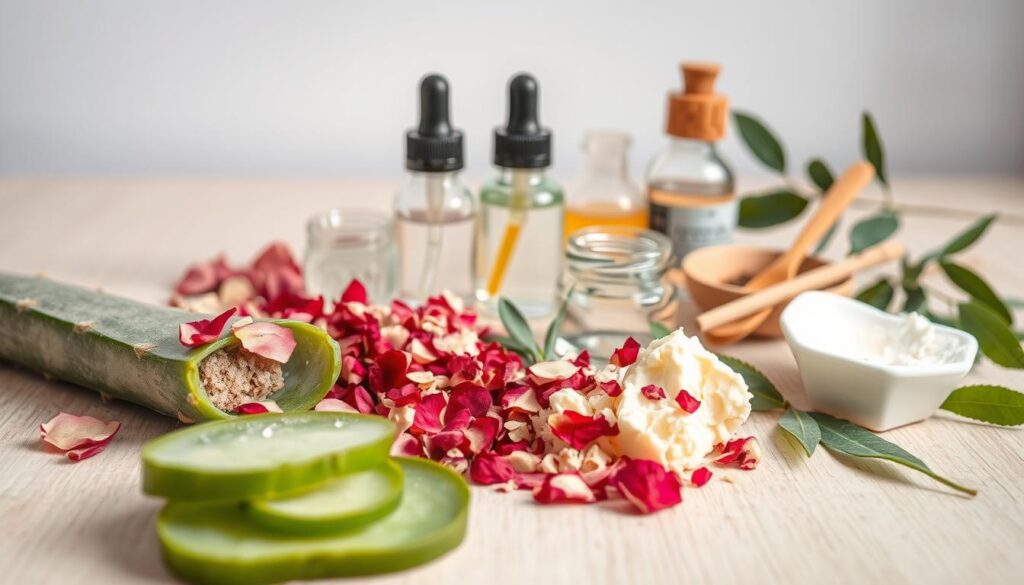
Hyaluronic acid is a hydration hero. It can hold up to 1000 times its weight in water. It’s like giving your skin a refreshing drink in the desert.
Cloudberry is also special. This Arctic berry has lots of antioxidants. It fights off free radicals and keeps your skin hydrated.
Now, let’s talk about ingredients that don’t belong on your face. These are like political lobbyists – they promise a lot but don’t deliver:
| Ingredient | Why It’s Problematic | Natural Alternative |
|---|---|---|
| Synthetic Fragrances | Can cause irritation and allergic reactions | Essential oils |
| Parabens | Potential hormone disruptors | Natural preservatives like vitamin E |
| Silicones | Create barrier that prevents real healing | Plant-based oils |
| Phthalates | Linked to various health concerns | Glycerin from vegetable sources |
If you can’t pronounce it, your skin probably doesn’t need it. Your face is not a science experiment. It’s the entrance to your body.
The best natural moisturizer doesn’t risk your health. It uses safe, proven ingredients. What you put on your skin goes into your body. Your skin deserves better than harmful chemicals.
Choose ingredients that sound like they belong in a kitchen, not a lab. Your face will look great every morning.
Application Tips for Optimal Results
Moisturizer application isn’t just a simple smear. It’s more like a detailed painting where every stroke is important. Your face needs more than just a quick coat of moisturizer.
Start with damp skin. This is because moisture naturally moves towards dryness. Applying moisturizer to dry skin can actually take away moisture. Damp skin is the best base for hydration.
Don’t overdo it. Too little moisturizer is like teasing without satisfaction, and too much is overwhelming. A small amount, like a pea, is enough for your whole face. Your skin can only absorb so much before it gets upset.
When you apply moisturizer in the morning, use light formulas. These work well with sunscreen and makeup. At night, use richer creams that work while you sleep.
Skin-Specific Application Techniques
Different skin types need different approaches. It’s not a one-size-fits-all solution. It’s about finding the right fit for your skin.
If you have oily skin, press gently. Rubbing can make your skin produce more oil. Pressing helps your skin absorb without over-producing oil.
For dry skin, apply thin layers. This builds a moisture barrier that lasts all day. It’s like preparing for a cold adventure.
If your skin is sensitive, pat it gently. This reduces irritation. It’s like handling delicate items with care.
| Skin Type | Application Method | Product Texture | Best Time |
|---|---|---|---|
| Oily | Press gently | Gel or lotion | Morning & night |
| Dry | Layer in thin coats | Cream or balm | Heavier at night |
| Combination | Zone-specific application | Lightweight cream | Adjust as needed |
| Sensitive | Pat gently | Fragrance-free cream | After calming toner |
The Embryolisse philosophy is spot on: clean, damp skin is your canvas, moisturizer is your medium. But, technique is what sets the pros apart from the amateurs.
Dermatologists at Sunnybrook Health say wait 60 seconds after cleansing before applying moisturizer. This helps your skin reach the best hydration balance.
Don’t forget about your neck and décolletage. These areas age faster than your face. Make sure to moisturize them too. Your future self will appreciate it.
Great skincare isn’t about expensive products. It’s about using what you have with care and patience. Your skin is a work of art, not a problem to be solved.
Reviews and Testimonials
Our testers didn’t just moisturize – they conducted clinical trials in their own bathrooms. The verdict? La Roche-Posay became someone’s “emotional support face cream.” This shows more about modern self-care than any wellness podcast ever could.
CeraVe transformed medication-induced dryness so dramatically. One tester called it “life-changing” – high praise for something cheaper than most therapy copays. Glow Recipe’s Cloudberry cream earned raves for making skin look “lit from within.” This proves some illuminations don’t require Instagram filters.
The clean beauty movement shows its substance beyond marketing. UpCircle repurposes waste into effective formulas. Satya partners with Plastic Bank to clean oceans. These aren’t just feel-good stories – they’re proof that ethical can be exceptional.
The most honest review comes from your mirror tomorrow morning. No influencer hype beats waking up without resembling a dried riverbed. Your skin will cast the final vote on any natural face cream. And unlike most elections, this result actually matters.