
The FDA sunscreen order issued on September 10, 2026, changed a narrow but meaningful part of U.S. sunscreen regulation: aminobenzoic acid, often called PABA, and trolamine salicylate were removed from the list of active ingredients permitted in over-the-counter sunscreens. For natural beauty shoppers, the practical question is not whether every sunscreen changed overnight. It is how ingredient claims, mineral-filter positioning, and brand transparency should be read after this regulatory decision.
As an ethical beauty advocate, I see this as a label-literacy moment rather than a reason for alarm. FDA reported that no sunscreen drug products currently sold in the United States contain PABA or trolamine salicylate, so the immediate shelf impact appears limited. Still, the final order matters because it clarifies which actives can be used through the OTC monograph pathway and which cannot. To explore wellness literacy throughout our network, visit HealthScope for education that complements skincare insights, though personal health decisions should be discussed with a clinician.
What The FDA Sunscreen Order Changed
FDA Sunscreen Order Facts For Label Readers
On September 10, 2026, FDA issued Final Administrative Order OTC000008-1. The order removed PABA and trolamine salicylate from the permitted active ingredients list for OTC sunscreen drug products and classified those ingredients as not GRASE, meaning not generally recognized as safe and effective under the monograph conditions. FDA also stated that there are currently no sunscreen drug products sold in the U.S. containing those two ingredients, according to the agency’s sunscreen regulatory Q&A.
The Federal Register published the availability of that final order on September 11, 2026, through a Federal Register notice. The supplied research indicates that once the order is effective, products containing PABA or trolamine salicylate cannot be marketed under the OTC sunscreen monograph; they would need FDA-approved new drug applications to be marketed legally. Because FDA reported no current U.S. sunscreen products using those actives, the change is not expected to create immediate consumer product disruption.
What Did Not Change Overnight
The FDA sunscreen order did not announce that every other sunscreen ingredient is newly approved or newly rejected. The 2021 proposed order had already placed zinc oxide and titanium dioxide in the GRASE category and proposed removing PABA and trolamine salicylate. It also identified several commonly used organic UV filters, such as oxybenzone, avobenzone, octocrylene, and homosalate, as needing more safety data before FDA could determine GRASE status. That pending status should not be read as a personal safety diagnosis or a reason to panic; it is a regulatory category about evidence review under monograph standards.
Why Mineral Sunscreens Are Less Disrupted
Mineral Filters And Natural Beauty Positioning
Many natural beauty sunscreen brands already center zinc oxide, titanium dioxide, or both. Because those mineral filters were identified as GRASE in the 2021 proposed order, mineral-focused brands are less directly affected by the 2026 removal of PABA and trolamine salicylate. That does not make every mineral product identical, and it does not prove that a product will feel comfortable on every skin type. It means the core active-filter category many mineral brands use has clearer regulatory support than ingredients now removed from the monograph.
For shoppers, this distinction helps separate ingredient philosophy from regulatory status. “Natural,” “mineral,” “reef-conscious,” and “sensitive skin” are not the same claim. A cruelty-free mineral sunscreen may align with personal ethics, but the active ingredients, SPF labeling, broad-spectrum labeling, and directions still need to be read. Packaging can reflect values; the drug facts panel explains the regulated sunscreen actives.
Bemotrizinol Adds A New Comparison Point
The same FDA sunscreen discussion also includes a separate June 10, 2026 final order, OTC000039, which added bemotrizinol to the OTC sunscreen monograph. The research notes identify bemotrizinol as the first new UV filter added in more than 20 years and state that FDA set a maximum concentration of 6% when it is used. This is relevant for natural beauty brands because bemotrizinol is not a mineral filter, yet it may influence future textures, active-ingredient combinations, and brand education.
Brands that have marketed themselves as “mineral-only” can keep that position if their formulas fit it. Brands open to newer organic UV filters may need clearer explanations so shoppers understand what changed and what did not. A shopper who prefers mineral filters for personal or cosmetic reasons can keep using that preference as a screening tool. A shopper who prioritizes texture, finish, or white-cast concerns may start seeing different choices as brands respond to monograph updates.
Natural Beauty Claims Need Clearer Language
Why “Chemical-Free” Can Confuse Consumers
Natural beauty marketing often uses shorthand. After the 2026 order, shorthand becomes less helpful. Saying a sunscreen is “chemical-free” can blur the difference between mineral actives, organic UV filters, inactive botanical ingredients, and preservatives. The more useful question is specific: which sunscreen active ingredients are listed, what concentration is shown, and what claims are made for SPF and broad-spectrum performance?
Ingredient transparency also supports ethical shopping. Cruelty-free values, vegan claims, supplier standards, and environmental preferences can sit beside regulatory label reading, but they are not substitutes for it. A product can be cruelty-free and still need clear active-ingredient disclosure. A product can use plant oils or botanical extracts and still depend on regulated sunscreen actives for SPF claims. For readers comparing actives across labels, our related piece on FDA sunscreen guidelines can help frame the ingredient categories without turning label reading into fear-based shopping.
Brand Communication Should Be Specific
Natural beauty brands have an opportunity to state plainly whether a product uses zinc oxide, titanium dioxide, bemotrizinol, or another permitted sunscreen active. If a brand previously leaned on vague “clean” language, the 2026 update gives it a reason to be more exact. Clear communication should include the active ingredient names, concentration where shown on the label, SPF and broad-spectrum language where applicable, and any relevant directions for use.
That specificity matters because FDA sunscreen regulation is not the same as general cosmetic storytelling. Sunscreens are OTC drug products in the United States when they make sun-protection claims. A facial oil, balm, or body butter should not imply SPF protection unless the finished product meets the relevant sunscreen requirements. This is especially relevant for DIY beauty communities: liking zinc oxide as an ingredient is not the same as validating a homemade SPF product.
How Consumers Can Read Labels Cautiously
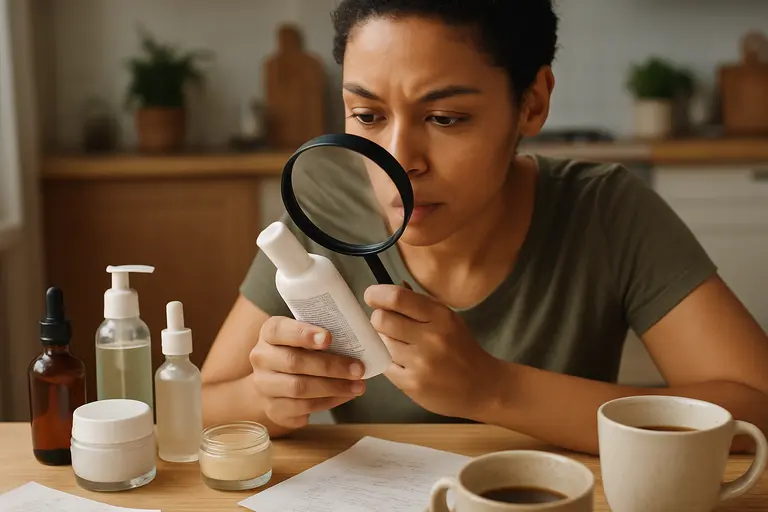
A Practical Label Check
Label reading does not need to become a chemistry exam. It can be a short, repeatable process. Start with the drug facts panel, then compare marketing claims against the listed actives. If a sunscreen claims a natural identity, check whether that refers to mineral actives, botanical inactive ingredients, packaging choices, or brand ethics.
- Look for the active sunscreen ingredients, not only the front-label claims.
- Check whether zinc oxide, titanium dioxide, bemotrizinol, or other actives are listed.
- Do not assume “natural” means mineral-only unless the actives confirm it.
- Treat “PABA-free” as less meaningful now that FDA reports no current U.S. sunscreen products contain PABA.
- Ask whether a product’s SPF and broad-spectrum claims are presented as regulated sunscreen claims rather than beauty promises.
This careful reading can also reduce overreaction. The removal of PABA and trolamine salicylate is a regulatory action with limited immediate shelf impact, based on FDA’s statement about current U.S. products. It still signals that old assumptions about “natural” ingredients deserve periodic review. Historically used ingredients are not automatically acceptable under current monograph standards.
Limits Of What Shoppers Can Know From A Label
A label can tell you the declared actives, directions, warnings, and marketing language. It cannot tell you how a product will feel after multiple applications, whether it will suit a specific skin condition, or how it interacts with personal factors such as medication use, pregnancy, photosensitivity, allergies, or a history of skin reactions. Those are individual health questions, not matters that a beauty label can settle.
This is why evidence-based skincare advice should stay cautious. A formula may support a consistent routine because it feels wearable, but no article can tell a specific person which sunscreen is best for their medical situation. If you have sensitive skin, a diagnosed skin condition, a history of reactions, or questions about sun exposure risk, discuss product choices with a clinician.
FDA Sunscreen Order Questions For Clinicians
Use the FDA sunscreen order as a prompt for better questions, not as a reason to abandon sun-protection planning. For most natural beauty shoppers, the near-term action is simple: read the active ingredients, avoid relying on vague claims, and ask brands for clearer explanations when labels are hard to interpret. Mineral sunscreens may feel familiar to natural beauty consumers, while bemotrizinol may introduce new options under monograph conditions. Both deserve plain language rather than hype.
If you are choosing sunscreen for a child, pregnancy, a medical condition, medication-related sun sensitivity, recent procedures, or a history of irritation, bring the product label to a clinician or pharmacist. Ask which active ingredients make sense for your situation, whether any inactive ingredients raise concern for your skin, how to use sunscreen alongside shade and clothing, and whether your personal health history changes the advice. Educational label reading can support better conversations, but it does not replace medical guidance.