
Dealing with sensitive skin is like walking through a minefield. Every new product can cause a big reaction. My skin gets red fast, and my pores clog easily.
After trying many products, I found the best ones. Brands like Pai Skincare and The Facial Room offer gentle, organic options. They are clinically tested to calm your skin without causing irritation.
These natural products bring remarkable calmness without being too expensive. Prices range from $12.99 to $27.99, and they have great reviews. For those looking for specialized solutions, there are now smart products designed for sensitive skin.
Understanding Sensitivities
What if I told you your sensitive skin isn’t being dramatic—it’s just speaking a different language? Some people think sensitive skin is high-maintenance. But the truth is more interesting. Sensitive skin is like a super alert security system.
This sensitivity comes from a weak skin barrier. Think of it as a brick wall with broken mortar. Things like pollution, harsh products, and temperature changes get through, causing inflammation.
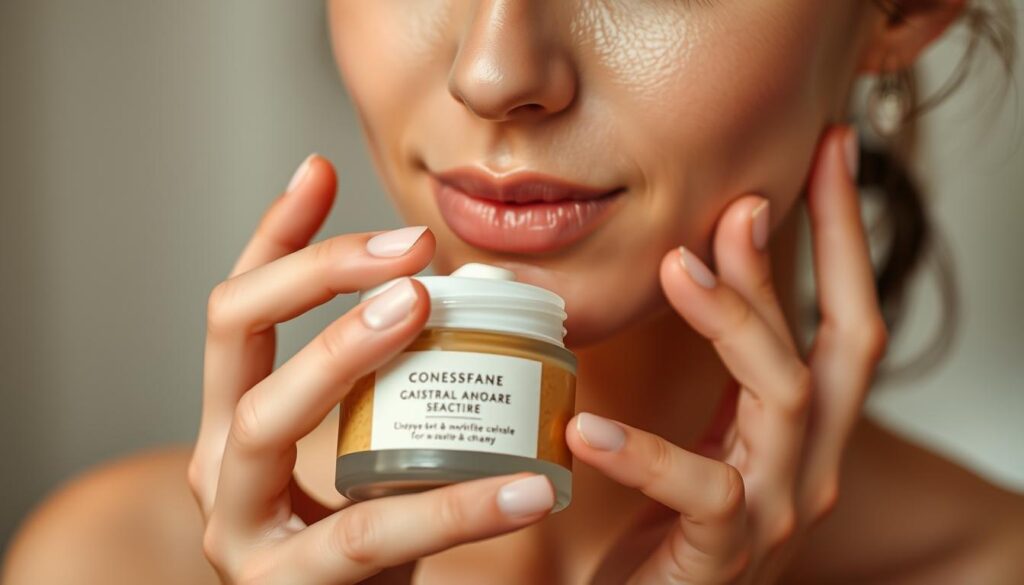
Many gentle skincare products actually make sensitivity worse. It’s like giving someone whiskey when they want water. Real gentle skincare knows sensitive skin needs simple, not complex.
Common things that can upset sensitive skin include:
- Fragrances (both natural and synthetic)
- Essential oils
- Harsh surfactants
- Alcohol-based formulations
- Physical exfoliants
Dealing with sensitive skin is like negotiating with a sensitive person. You aim to build up your skin’s defenses, not just calm it down. Choose products that help your skin’s barrier, not hurt it.
| Skin Reaction | Common Causes | Barrier-Supporting Solutions |
|---|---|---|
| Redness & Flushing | Temperature changes, alcohol, spicy foods | Ceramides, niacinamide, centella asiatica |
| Tightness & Dryness | Harsh cleansers, low humidity, hot water | Hyaluronic acid, squalane, glycerin |
| Stinging & Burning | Acids, fragrances, certain preservatives | Oat extract, aloe vera, panthenol |
| Itching & Roughness | Wool fabrics, sweat, certain metals | Colloidal oatmeal, shea butter, bisabolol |
Your skin’s sensitivity can change with the weather, stress, and hormones. What works in humid weather might not in dry seasons. This is why managing sensitive skin needs a tailored approach, not a one-size-fits-all solution.
The best way to do gentle skincare is to choose wisely. It’s like picking art for your collection, not building a wall. Each product should be carefully selected to fit your skin’s unique needs.
Ingredients That Soothe vs. Irritate
Think of your skincare routine as a political debate. Some ingredients fight for your skin’s health, while others aim to cause chaos. Your bathroom cabinet is like a voting booth, where every product either supports calm skin or causes irritation.
The good guys include allergy-free heroes. Ceramides protect your skin like a Secret Service agent. Oat extract calms inflamed skin, reducing redness like a diplomat.

Chamomile soothes irritation with patience. These ingredients don’t just offer temporary relief. They rebuild your skin’s confidence from the inside out.
The opposing side has its own agenda. Fragrance might smell nice but works against your skin. Alcohol dehydrates your skin, and some essential oils can cause more harm than good.
Choosing the right ingredients is like being a political analyst. You must read labels carefully, looking for hidden dangers. It’s not just about what looks good, but what won’t harm your skin.
| Skin Soothers | Skin Aggravators | Why They Matter |
|---|---|---|
| Ceramides | Artificial Fragrance | Barrier protection vs. hidden irritants |
| Oat Extract | Drying Alcohols | Calming inflammation vs. moisture stripping |
| Chamomile | Certain Essential Oils | Natural soothing vs. possible reactions |
| Niacinamide | Sulfates | Redness reduction vs. barrier damage |
| Hyaluronic Acid | Parabens | Hydration boost vs. preservative risks |
The best approach is to choose certified organic ingredients. These are designed to soothe and calm, avoiding known irritants. This allergy-free strategy welcomes all skin types while excluding harmful elements.
For more on calming ingredients, check out this comprehensive guide on soothing irritated skin. It explains why some ingredients work and others don’t.
Your skincare routine should be smooth, like a symphony. Each ingredient should work together harmoniously. The goal is allergy-free skincare that’s efficient, effective, and without surprises.
Reviewer Top Picks: Cleansers, Moisturizers, Masks
After trying many products, I’ve picked the best for sensitive skin. These items are more than skincare; they’re gentle friends for your face.
Cleansers are key, as a harsh face wash can ruin your day. Pai’s Century Rose Cleanser ($27.99) is a game-changer. It removes makeup and dirt without harming your skin. It’s like a peacekeeper for your pores, with a 4.9/5 rating.
The Facial Room’s Organic Chamomile Moisturizer ($12.99) is a top pick for moisturizers. It’s like a cozy blanket for your skin, with a 4.7/5 rating. This hypoallergenic formula makes your skin feel like it’s in a silk-lined recovery room.
Masks are for when your skin needs extra care. Pai’s “The Other Kind of Face Mask” is more than a product; it’s a self-care statement. It’s about valuing your me-time.
What sets these products apart? They treat sensitive skin with respect, not as a flaw. Each one has been tested more than a Supreme Court nominee. They pass clinical tests that even NASA would approve.
| Product Category | Top Pick | Price | Rating | Key Benefit |
|---|---|---|---|---|
| Cleanser | Pai Century Rose Cleanser | $27.99 | 4.9/5 | Gentle makeup removal |
| Moisturizer | The Facial Room Chamomile Moisturizer | $12.99 | 4.7/5 | Soothing hydration |
| Face Mask | Pai The Other Kind of Face Mask | $24.99 | 4.8/5 | Calming treatment |
| Treatment Oil | Pai Ceramide Oil | $49.99 | 4.9/5 | Barrier repair |
These hypoallergenic products are the best mix of science and care for sensitive skin. They show that effective skincare doesn’t need harsh ingredients. It’s about smart formulation and respecting your skin’s needs.
In the world of sensitive skin care, the best product isn’t always the most expensive. Sometimes, it’s the one that gets it right without overcomplicating things.
Avoiding Reactions: Patch Testing
Let’s be honest: patch testing is like reading the fine print on a mortgage agreement. Nobody likes it, but skipping it can lead to big regrets. Your sensitive skin doesn’t care about marketing claims. It reacts to chemistry, not packaging.
Think of patch testing as a background check for skincare products. It’s a way for your skin to negotiate with new products. Even the most soothing formulas can cause reactions in sensitive skin. This makes patch testing more important than fact-checking a presidential debate.
The Strategic Patch Test Protocol
Here’s how to avoid skincare disasters:
- Location matters: Test behind the ear or on the inner forearm – areas similar to facial skin but less visible
- Timing is everything: Allow 48-72 hours for reactions to manifest
- Control the variables: Test one product at a time to identify culprits
- Document everything: Note any redness, itching, or swelling immediately
This method turns guesswork into data-driven skincare decisions. Finding a reaction on your wrist is better than explaining a facial reaction during a Zoom meeting.
Why Natural Products Need Testing
Many think “natural” means “safe,” but that’s not true. Essential oils, botanical extracts, and organic ingredients can cause reactions in sensitive skin. Your skin’s biochemistry doesn’t care if it’s synthetic or natural. It only cares if it’s compatible or not.
| Testing Area | Advantages | Ideal Duration | What to Monitor |
|---|---|---|---|
| Behind Ear | Similar skin thickness to face | 72 hours | Redness, itching |
| Inner Forearm | Easy to monitor | 48-72 hours | Swelling, bumps |
| Side of Neck | Facial skin extension | 72 hours | Burning sensation |
| Jawline | Direct facial test area | 24 hours initially | Immediate reactions |
The table above shows your testing options. Each location has its own benefits for different sensitive skin concerns.
For those who prefer visual guidance, this comprehensive patch testing guide explains the process step-by-step. It’s like your skincare constitution – the foundational document for product testing.
Remember: patch testing isn’t about paranoia. It’s about strategic prevention. In the world of sensitive skin care, this boring ritual might just be your most powerful defense against unexpected reactions. It’s the diplomatic immunity your skin deserves.
User Stories and Doctor Insights
Real people with sensitive skin share their stories. Sarah, a lawyer, found relief in products that understood her skin’s needs. Her skin reacted to stress like a bad market day.
Dr. Evans, a dermatologist, sees skincare mistakes every day. He believes gentle skincare is not weak. It’s about choosing formulas that respect your skin’s nature.
User reviews show people’s loyalty. With ratings near 5 stars, they’re not just happy. They’re dedicated to their skincare routines.
This approach to gentle skincare makes daily care a partnership. Your skin deserves to be treated with intelligence.