cruelty-free labels can look simple on a bottle, but the John Paul Mitchell litigation shows why shoppers and brands should treat those words with care. The dispute centered on whether certain marketing statements allegedly gave consumers a misleading impression about animal testing, especially in connection with products sold in Mainland China. As of October 29, 2026, the case had not reached a final resolution; a class was certified in 2025, then that certification was vacated by the Ninth Circuit on October 7, 2026 and remanded for further proceedings.
For skincare and hair care shoppers, the case is not a reason to assume every ethical claim is false. It is a reminder that values-based language needs supporting context. A claim can be meaningful to consumers, yet still raise questions about definitions, supply chains, market access rules, and whether a company’s proof matches the words printed on packaging. This is educational information, not legal or medical advice.
Why cruelty-free labels Face Scrutiny
Ethical beauty claims often compress a long chain of decisions into a short phrase. A bottle may say “not tested on animals,” while the product’s history may involve finished goods, individual ingredients, suppliers, regulatory filings, overseas markets, or third-party testing. That gap between label wording and operational detail is where consumer confusion can arise.
cruelty-free labels And Consumer Meaning
The John Paul Mitchell dispute illustrates how strongly some shoppers may weigh these claims. Research notes from the litigation state that internal company data cited in the Ninth Circuit decision indicated 71% of surveyed participants named “cruelty-free ingredients” among the “most important callouts” when purchasing beauty products, though John Paul Mitchell Systems disputed the interpretation of that figure. The key lesson is narrower than a broad market prediction: some consumers treat animal-testing claims as a material factor, and courts may examine whether a brand’s evidence supports its message.
For wellness-minded shoppers, ethical claims also intersect with personal routines. A cruelty-free statement does not indicate whether a product will suit sensitive skin, whether it contains fragrance, or whether a botanical ingredient may irritate a given person. Skin needs vary by health history, medication use, pregnancy status, and known allergies. Anyone with persistent irritation, a diagnosed skin condition, or concerns about a product reaction should discuss choices with a qualified clinician.
The John Paul Mitchell Case Timeline
The case, Heagney et al. v. John Paul Mitchell Systems, was filed on February 16, 2023 in the U.S. District Court for the Northern District of California. The plaintiffs alleged false advertising, express warranty breaches, and violations of California false advertising, unfair competition, and consumer legal remedies laws. Their theory focused on claims such as “Never Animal Tested,” “No Animal Testing,” “A Pioneer in Cruelty-Free Hair Care,” and “John Paul Mitchell Systems does not conduct or endorse animal testing.”
What Plaintiffs Alleged
The plaintiffs alleged that John Paul Mitchell Systems sold products in Mainland China from about 2001 and that imported cosmetics were subject to animal testing connected with Chinese market approvals. They also alleged the company continued registering imported products through at least 2021, and that a September 2017 public statement about obtaining an exemption from China’s animal testing requirement was not supported by NMPA records or company documentation. These are allegations in litigation, not findings in a final judgment.
On June 27, 2025, U.S. District Judge Vince Chhabria certified a class of California residents who purchased John Paul Mitchell hair products between May 1, 2015 and January 1, 2020, with respect to claims that the company misled consumers by labeling products as cruelty free while allegedly permitting animal testing for Chinese market approvals, as reported by Bloomberg Law. That certification was a procedural step, not a final decision that the claims were proven.
What Changed On October 7, 2026
On October 7, 2026, the Ninth Circuit U.S. Court of Appeals vacated the class certification. The appellate court ruled that the plaintiffs had not provided sufficient evidence that damages could be measured on a class-wide basis under the proposed model. Research notes describe concerns with the expert model, including methodology, target population, economic variables, and adequate comparators. The case was remanded to the district court, meaning the litigation continued without that class certification in place as of October 29, 2026.
What The FDA Says About cruelty-free labels
The federal regulatory backdrop is central to why disputes like this can become fact-specific. The FDA states that it does not have a legally enforceable definition for “cruelty-free” or “not tested on animals,” and that these terms are used widely in marketing but are not defined by FDA rulemaking FDA cosmetic labeling guidance. That does not mean brands can say anything they want without risk. It means the claim may be judged by whether it is misleading in context, including what consumers may reasonably understand and what evidence the company has.
Undefined Terms Require Careful Reading
For shoppers, the absence of one enforceable FDA definition creates a practical challenge. One company may use a phrase to mean no finished-product testing by the brand. Another may include suppliers, ingredients, third-party labs, or foreign regulatory testing in its standard. A third may rely on certifications or written supplier assurances. These distinctions matter because the same short phrase can describe different internal policies.
That uncertainty is also relevant to “natural,” “clean,” and plant-derived beauty claims. A product can align with one ethical preference and still raise another question about ingredient origin, supplier verification, or skin tolerance. For a related ingredient-focused discussion, the site’s analysis of animal-derived ingredients explains why sourcing terms often need more detail than a front label can provide.
How Shoppers Can Read Ethical Claims
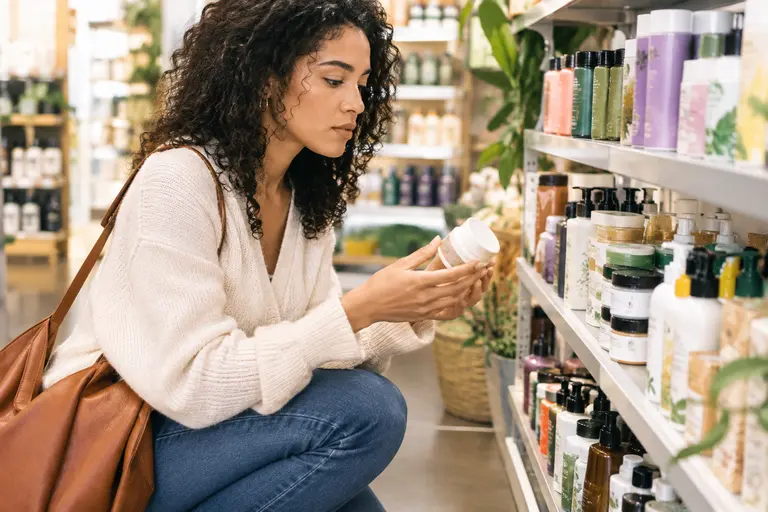
A cautious reading process can reduce confusion without turning every purchase into a legal research project. Start by separating three questions: what the claim says, what it leaves out, and what proof the brand offers. If a product says “not tested on animals,” look for whether the brand discusses finished products, ingredients, suppliers, third-party testing, and sales in markets where animal testing has been required for certain approvals.
- Look for scope: Does the claim cover the finished product only, or also ingredients and suppliers?
- Look for market context: Does the brand explain how it handles countries or approvals that may involve animal testing?
- Look for verification: Does the company identify a certification, audit process, or written policy?
- Look beyond ethics: Does the product fit your skin type, fragrance tolerance, and personal health needs?
Community wellness also benefits when brands use plain language. Clear labeling can help people with different values, budgets, skin tones, hair textures, allergies, and access needs make informed choices. Ethical beauty should not depend on insider knowledge or vague slogans. Readers interested in broader wellness education, can visit Trinity Bariatric Institute, a related site in the same network, while remembering that personal care decisions should be discussed with a clinician when health concerns are involved.
cruelty-free labels In Practice
The John Paul Mitchell case did not end the debate over cruelty-free marketing. Instead, it showed how a claim can move from packaging and social media into litigation when consumers allege that the wording did not match the full business context. The June 27, 2025 certification and the October 7, 2026 vacatur point in the same direction: courts may closely examine both consumer understanding and the evidence used to measure alleged harm.
For brands, the safer educational lesson is to define terms plainly and avoid broad promises that the company cannot document across products, ingredients, suppliers, and markets. For shoppers, the practical lesson is to treat ethical claims as starting points rather than complete answers. Ask what the statement covers, whether the brand explains exceptions, and whether the product still fits your personal skin and hair care needs.
If a beauty product causes irritation, if you have a history of skin reactions, or if pregnancy, medication, or a medical condition affects your product choices, discuss those details with a clinician or dermatologist. Ethical preferences matter, but they do not replace individualized health guidance.