Ever feel like you need a biochemistry degree to understand your face cream’s label? I once stared at a bottle convinced “methylisothiazolinone” was a Marvel villain, not something for my skin.
The beauty industry’s decades-long game of hide-and-seek is ending. Companies like OM Botanical and Kathy’s Creams are leading the way with honesty.
True clean beauty means full disclosure. It tells you where ingredients come from, why they work, and what they do. It’s about truth, not spin.
If you wouldn’t eat a mystery casserole, why slather one on your skin? This movement is about giving power back to consumers. It’s about real openness.
Risks of Hidden Ingredients
Ever read a skincare label that made less sense than the final season of Game of Thrones? You’re not alone. The beauty industry’s ingredient lists often resemble classified documents—heavily redacted and deliberately obscure.
Let’s start with parabens, those uninvited guests at your hormonal party. These preservatives mimic estrogen in your body, potentially disrupting your endocrine system. Studies link them to reproductive issues and increased cancer risks. Not exactly the kind of party favors anyone asked for.
Then we have sulfates—the overzealous bouncers of the skincare world. They strip away natural oils with such enthusiasm that your skin’s moisture barrier ends up looking like a defeated boxer after twelve rounds. Dryness, irritation, and increased sensitivity become your new normal.
But the real master of disguise is “fragrance”—the Russian nesting doll of ingredient lists. This single term can legally conceal hundreds of synthetic chemicals. Many trigger allergic reactions, while others act as endocrine disruptors. It’s like buying a mystery box that might contain anything from a pleasant scent to chemical compounds with concerning health implications.
The consequences extend beyond temporary irritation. We’re talking about cumulative exposure that could potentially:
- Trigger chronic skin conditions
- Disrupt hormonal balance
- Increase long-term health risks
- Cause unexpected allergic reactions
Without honest labeling, consumers become unwitting participants in a grand experiment. The table below illustrates how common hidden ingredients compare to their marketed promises:
| Ingredient Category | Market Promise | Hidden Reality | Potential Health Impact |
|---|---|---|---|
| Parabens | Product preservation | Endocrine disruption | Hormonal imbalances |
| Sulfates | Deep cleansing | Barrier damage | Chronic dryness |
| Fragrance | Pleasant scent | Chemical cocktail | Allergies & sensitivities |
| Synthetic Colors | Visual appeal | Skin irritation | Inflammation |
The opioid crisis taught us about the dangers of hidden dependencies. The skincare industry’s lack of honest labeling creates similar risks—quiet, pervasive, and potentially devastating. When companies prioritize proprietary formulas over consumer safety, we all lose.
Your skin isn’t a testing ground. It’s your body’s largest organ, and it deserves better than chemical roulette. The first step toward protection? Demanding transparency and reading beyond the marketing poetry.
How Transparency Protects Health
Your skin is like the world’s most advanced security system. It scans everything that enters your bloodstream. When companies hide ingredients, they disable this system. Your skin absorbs up to 60% of what you apply, making clear ingredients essential for your health.
Full disclosure helps you fight off harmful substances. Endocrine disruptors, carcinogens, and allergens are major threats. Knowing what’s in your products is like having X-ray vision for your skincare.
Transparency isn’t just about avoiding bad stuff. It’s about choosing ingredients that work with your body. Vitamin C brightens without harmful additives. Hyaluronic acid hydrates without chemicals.
In today’s world, where toxins are everywhere, clear skincare is key. It’s not being paranoid; it’s being smart. Knowing what’s in your products turns your bathroom into a safe haven.
This isn’t hard. When brands list ingredients clearly, you can make informed choices. No need for a chemistry degree. Just honest info that lets your body protect itself.
Ingredient Lists Decoded
Understanding an ingredient list is not hard, but it does need some basic knowledge. It’s like reading a recipe, not solving a mystery. The ingredients clearly show what you’re getting, but in a language that needs some translation.
The key rule is: ingredients are listed in descending order of concentration. If water is first and a fancy antioxidant is last, you’re mostly paying for water with a bit of active stuff. The first five ingredients usually make up 80% of the product, so focus on them.
When you see something that sounds like a magic potion, grab your phone. Methylchloroisothiazolinone might sound scary, but a quick search shows it’s a common preservative. Knowing what you’re putting on your skin is powerful.
Brands like OM Botanical make it easy for you. They list both scientific and common names (Butyrospermum Parkii butter = shea butter) and often have ingredient glossaries. This shows they’re transparent and have nothing to hide.
“Fragrance” is a favorite trick in the beauty world. It can hide dozens of unknown chemicals. True clean beauty means avoiding this vagueness and using specific essential oils or going fragrance-free.
So, always read the full list, look up terms you don’t know, and be wary of anything too chemical-sounding. The real difference between marketing and facts is in the ingredient list. If you know how to read it, you’ll see the truth.
Regulatory Overview (US/EU)
Trying to understand cosmetic regulations is like solving a Rubik’s Cube blindfolded. It’s frustrating and confusing. It leaves you wondering who came up with this system. Governments seem to have our backs on product safety, but it’s more complicated than you think.
The FDA’s rules on cosmetics are quite different from other products. Cosmetics don’t need approval before hitting the market. This means honest labeling is more of a suggestion than a rule. It’s like the wild west of consumer protection, where “dermatologist-tested” might just mean one doctor looked at it quickly.
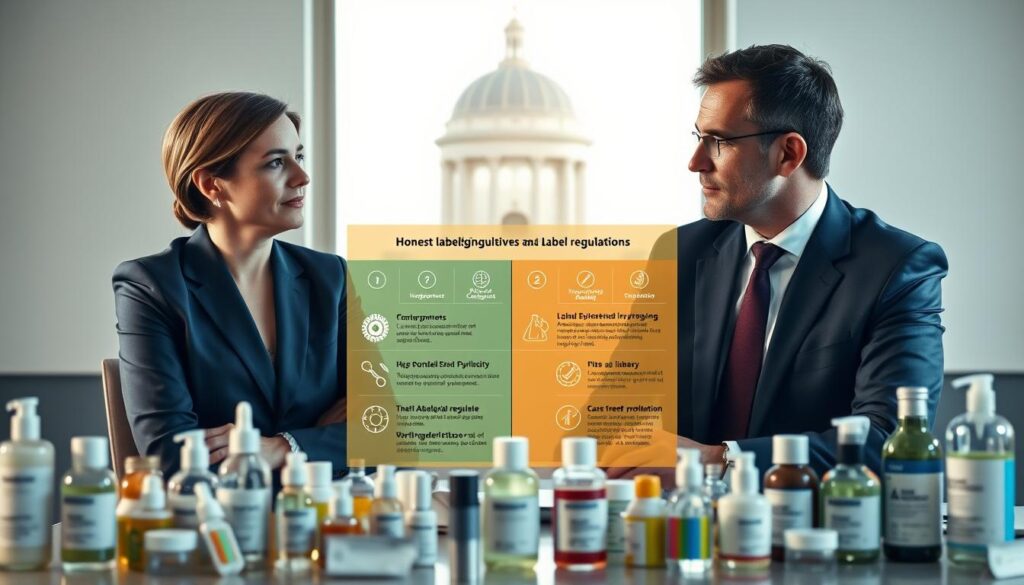
In the EU, the rules are much stricter. They ban over 1,300 chemicals, compared to just 11 in the US. The EU follows the precautionary principle, which means if there’s doubt, the chemical is banned. This is like “guilty until proven innocent,” unlike the US’s “innocent until proven guilty.”
Terms like “natural” and “organic” don’t mean much in either country. Without clear definitions, companies can use these terms loosely. It’s like they’re artists with blank canvases.
Third-party certifications are key in this gap. Look for these trust markers:
- USDA Organic: Requires at least 95% organic ingredients
- Leaping Bunny: Guarantees no animal testing at any production stage
- EWG Verified: Screens for ingredients of concern
But even these certifications have their limits. USDA Organic doesn’t cover synthetic preservatives. Leaping Bunny doesn’t check for human safety. It’s like having bodyguards who only protect you from certain threats.
The best companies go beyond the minimum. They disclose all ingredients and test rigorously. They know that without strong government rules, consumer demand is what really matters. Your choices help set the standards for the industry.
So, we must learn to read labels carefully. When it comes to what we put on our skin, actual honest labeling is essential. It shouldn’t be optional.
Best Practices for Conscious Consumers
Shopping for skincare doesn’t need to be hard. Just be smart and skeptical. Think of it as solving a mystery to find out if products have toxins.
First, always check the ingredient list. If it’s too long and full of weird words, don’t buy it. “Fragrance” is a big red flag because it can hide many toxins.
Choose brands that are open about what’s in their products. Look for those that say what they avoid, like parabens and phthalates. These are the honest players in the skincare world.
Here’s a quick guide for better shopping:
| Red Flag | Green Light | Pro Tip |
|---|---|---|
| “Fragrance” listed | Specific essential oils named | Fragrance can hide 50+ chemicals |
| Long chemical names | Recognizable ingredients | If you can’t pronounce it, research it |
| “Natural” but bright white | Natural color variations | Botanicals aren’t snow-colored |
| Vague claims | Third-party certifications | Look for USDA Organic or EWG Verified |
Use the Environmental Working Group’s Skin Deep database to check products. It rates them for toxins and health risks. It’s a great tool to avoid greenwashing.
Don’t fall for the “natural” trap. That white “all-natural” cream might not be as natural as it seems. Look for brands with simple, clear ingredient lists, like Kathy’s Creams.
Trust your gut. If something seems too good to be true, it probably is. Your skin and health are worth it.
Being a conscious consumer is about making informed choices. It’s not about being perfect. It’s about being smart and cautious with what you buy.
Impact on Skin Health
Ever wonder why your skin sometimes reacts like a dramatic Shakespearean actor? The answer often lies in the ingredients you can’t see. Clean beauty transparency isn’t just marketing fluff—it’s your backstage pass to understanding what actually touches your skin.
Hidden ingredients are like uninvited party crashers. They show up unannounced and wreak havoc. Synthetic fragrances, parabens, and questionable preservatives can trigger inflammation, breakouts, and accelerated aging. When you know what’s in your products, you avoid these skincare saboteurs.
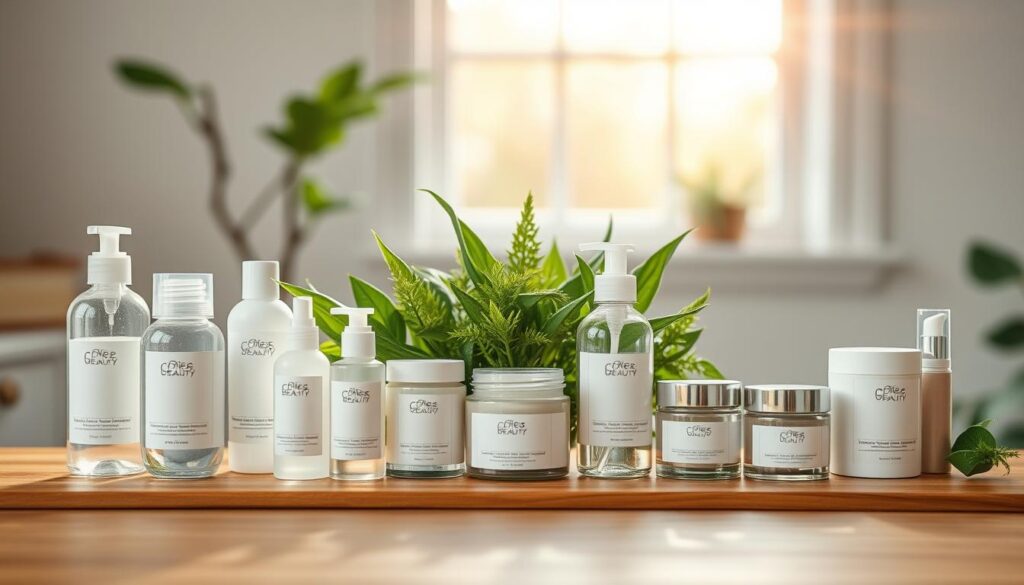
Transparent formulations work like a perfectly tuned instrument. Ingredients like retinoids and hyaluronic acid deliver results without the side effects when properly disclosed. It’s the difference between a tailored suit and off-the-rack polyester—one fits perfectly, the other might chafe.
Ethical sourcing often means higher quality ingredients. Responsibly grown botanicals and carefully processed actives simply perform better. This commitment to ingredient transparency creates products that work in harmony with your skin’s biology.
Your skin deserves better than mystery cocktails. Choosing clean beauty means opting for formulations that respect your complexion’s intelligence. It’s not just about looking good—it’s about creating a healthy relationship with what you put on your body.
Takeaways
Think of ingredient transparency as the nutritional label for your skin. You wouldn’t eat mystery meat from a back-alley vendor. So, why put unknown chemicals on your largest organ? Honest labeling is a basic right, not a luxury.
Demand brands that treat you like an adult, not a test subject. Avoid “proprietary blends” and “fragrance” loopholes that hide toxins. Support companies like OM Botanical and Kathy’s Creams for their radical transparency. They show that ingredient disclosure builds trust, not corporate secrets.
Your skincare routine should be a safe space, not a science experiment. Choosing products with honest labeling means saying no to hidden toxins and yes to your health. It’s like choosing a car with a full history over one with a shady past.
Transparency turns consumers into informed advocates. You’re not just buying moisturizer; you’re investing in your wellbeing and supporting ethics. Your skin deserves the truth, so help it glow.